
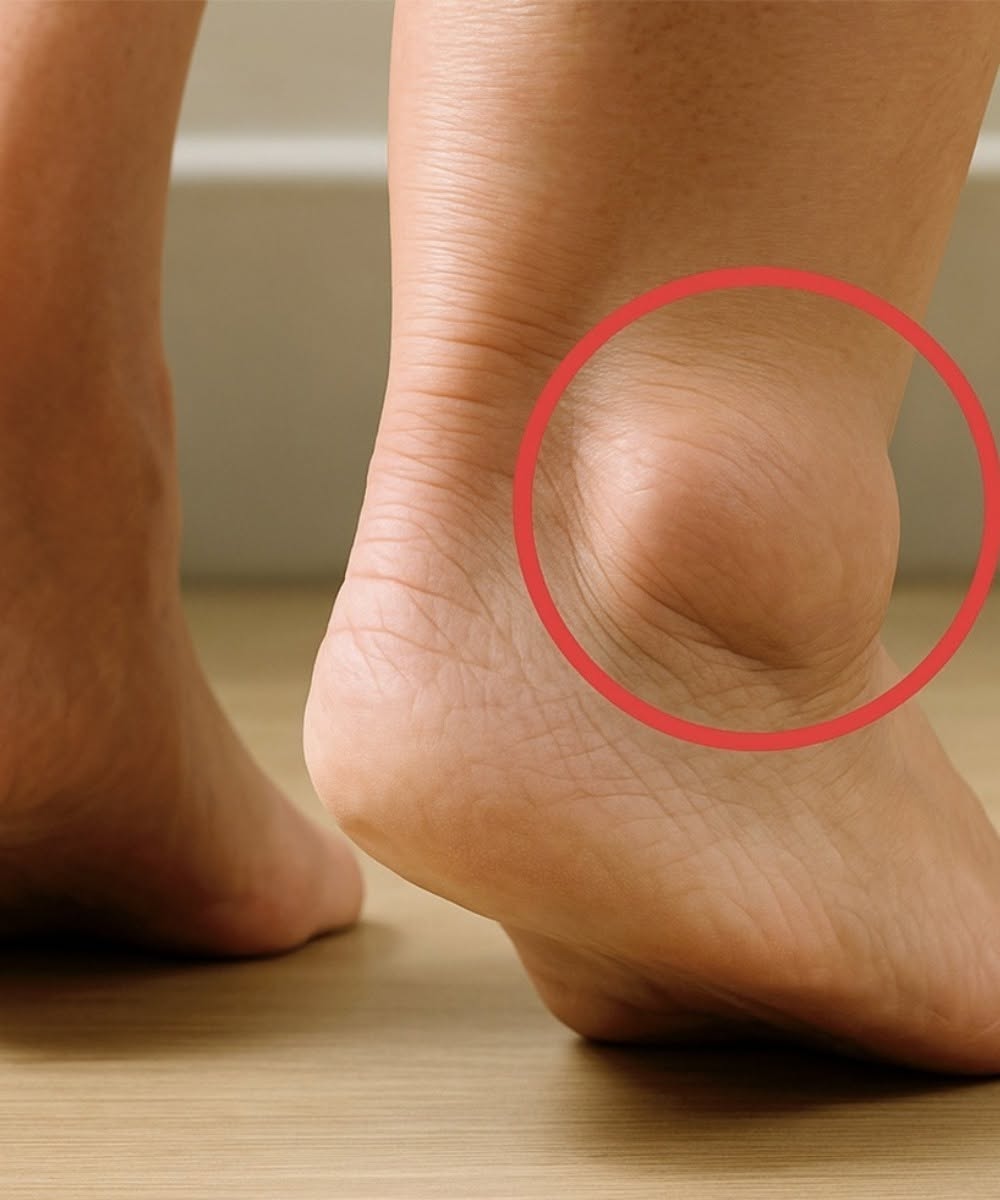
Swollen Feet: 9 Warning Signs You Should Never Ignore
Have you ever taken off your shoes at the end of the day and noticed that your feet or ankles look noticeably larger than they did that morning?
Sometimes, swollen feet are simply the result of spending too much time standing, sitting for hours, eating a particularly salty meal, traveling, or being out in hot weather. In many cases, the swelling improves after resting and moving around.
Eggshell Powder Benefits and How It Is Used
But swelling isn’t always something to ignore.
Feet and ankles can swell when excess fluid builds up in the tissues, a condition commonly called edema. Edema has many possible causes, ranging from everyday habits to problems involving the veins, heart, kidneys, liver, thyroid, medications, infections, or blood clots. MedlinePlus
That’s why the idea that swollen feet are always a “clear sign” of one particular disease is misleading. The pattern of swelling and the symptoms that come with it are much more important.
For example, swelling in both feet after a long day on your feet may have a very different explanation from sudden swelling in one leg accompanied by pain and warmth.
And if swelling occurs together with chest pain or difficulty breathing, it can require emergency medical attention. nhs.uk
Let’s look at what swollen feet can mean, what you can safely do at home, and which warning signs deserve prompt medical attention.
What Does It Mean When Your Feet Swell?
Swelling usually means that extra fluid has accumulated in the tissues.
The medical term is edema.
Edema commonly affects the feet, ankles, and lower legs because gravity encourages fluid to collect in the lower part of the body, particularly after prolonged standing or sitting. MedlinePlus
You may notice:
- Shoes suddenly feel tighter
- Socks leave deeper marks around the ankles
- The skin looks stretched or shiny
- The ankles appear less defined
- One or both feet look larger
- The area feels heavy or uncomfortable
- Pressing the swollen area may leave a temporary indentation
That last sign is called pitting edema.
According to MedlinePlus, pitting edema leaves a dent in the skin after pressure is applied for several seconds, while non-pitting edema does not. MedlinePlus
Swelling itself isn’t a diagnosis. It’s a symptom that can have many different causes.
9 Possible Reasons for Swollen Feet
1. You Have Been Sitting or Standing Too Long
One of the most common explanations for swollen feet is simply staying in the same position for an extended period.
This can happen if you:
- Work at a desk
- Stand at work all day
- Spend hours cooking
- Take a long car journey
- Fly for several hours
- Attend a long event
- Spend a day walking or standing
When your legs remain still for a long time, the normal movement of blood and fluid through the lower limbs can be affected.
The result can be temporary swelling around the feet and ankles.
The NHS lists prolonged sitting or standing among common causes of swelling in the feet, ankles, and legs. nhs.uk
In many cases, this type of swelling improves after you move around, rest, and elevate your legs.
2. You Ate Too Much Salt
A salty meal can sometimes contribute to temporary fluid retention.
Sodium influences how the body manages fluid, and consuming more salt than usual can contribute to swelling in susceptible people.
Common sources of high sodium include:
- Processed meats
- Packaged soups
- Chips
- Fast food
- Takeaway meals
- Canned foods
- Salty sauces
- Processed snacks
MedlinePlus lists excessive salt intake among possible causes of edema. MedlinePlus
That doesn’t mean every episode of swollen feet is caused by salt.
If swelling happens repeatedly or becomes significant, don’t simply assume that your diet is responsible.
3. Hot Weather Can Make Swelling More Noticeable
Have you ever noticed that your feet seem puffier during the summer?
Heat can contribute to swelling, particularly when you’re also standing or walking for long periods.
MedlinePlus notes that mild lower-leg edema can occur during warm weather, especially when someone has been standing or walking frequently. MedlinePlus
You may notice the swelling more toward the end of the day.
Resting with your legs elevated and avoiding prolonged periods of standing may help.
4. Pregnancy Can Cause Swollen Feet
Swelling of the feet and ankles is common during pregnancy.
Changes in circulation, hormones, and pressure from the growing uterus can contribute to fluid accumulation in the lower body.
However, pregnancy-related swelling shouldn’t automatically be dismissed as normal.
A sudden or significant increase in swelling, especially when accompanied by other symptoms, can require medical evaluation.
MedlinePlus notes that more severe swelling during pregnancy can be associated with preeclampsia, a serious pregnancy complication involving high blood pressure. MedlinePlus
If you’re pregnant and your swelling suddenly becomes much worse, particularly if you also have symptoms such as severe headache, vision changes, abdominal pain, nausea, vomiting, or shortness of breath, contact your healthcare provider promptly.
5. Varicose Veins and Poor Vein Circulation
Your veins have to return blood from your legs back toward your heart.
If the veins aren’t working efficiently, blood can pool in the lower limbs.
This can contribute to swelling around the ankles and feet.
People with venous problems may also experience:
- Heavy legs
- Aching
- Visible varicose veins
- Skin changes
- Itching
- Ankle swelling
- Discomfort after prolonged standing
MedlinePlus identifies venous insufficiency as a common cause of swelling in the feet and ankles, particularly when blood cannot circulate efficiently back toward the heart. MedlinePlus
Swelling related to vein problems may become more noticeable later in the day.
6. Certain Medications Can Cause Swelling
Sometimes the medication you’re taking can contribute to swollen feet.
The NHS and MedlinePlus list several types of medicines that may be associated with edema, including certain:
- Blood-pressure medicines
- Hormonal medications
- Antidepressants
- Steroids
- Anti-inflammatory medicines MedlinePlus
This doesn’t mean you should stop taking a medication on your own.
If swelling begins after starting a new medicine, tell your doctor or pharmacist.
They can determine whether the medication could be contributing and whether another approach is appropriate.
Never stop a prescribed medication simply because you suspect it is causing swelling without discussing it with a healthcare professional. MedlinePlus specifically advises speaking with a healthcare provider before stopping medicines that might be contributing to swelling. MedlinePlus
7. Kidney Problems Can Cause Swelling
Your kidneys play an important role in maintaining the body’s fluid and electrolyte balance.
When kidney function is impaired, the body may have difficulty removing excess fluid.
That can contribute to swelling in the feet, ankles, legs, or other parts of the body.
MedlinePlus lists kidney disease and kidney failure among possible causes of edema. MedlinePlus
Swelling caused by a kidney problem may be accompanied by other symptoms, although symptoms vary significantly depending on the underlying condition.
If you have known kidney disease and notice worsening swelling, contact your healthcare provider.