
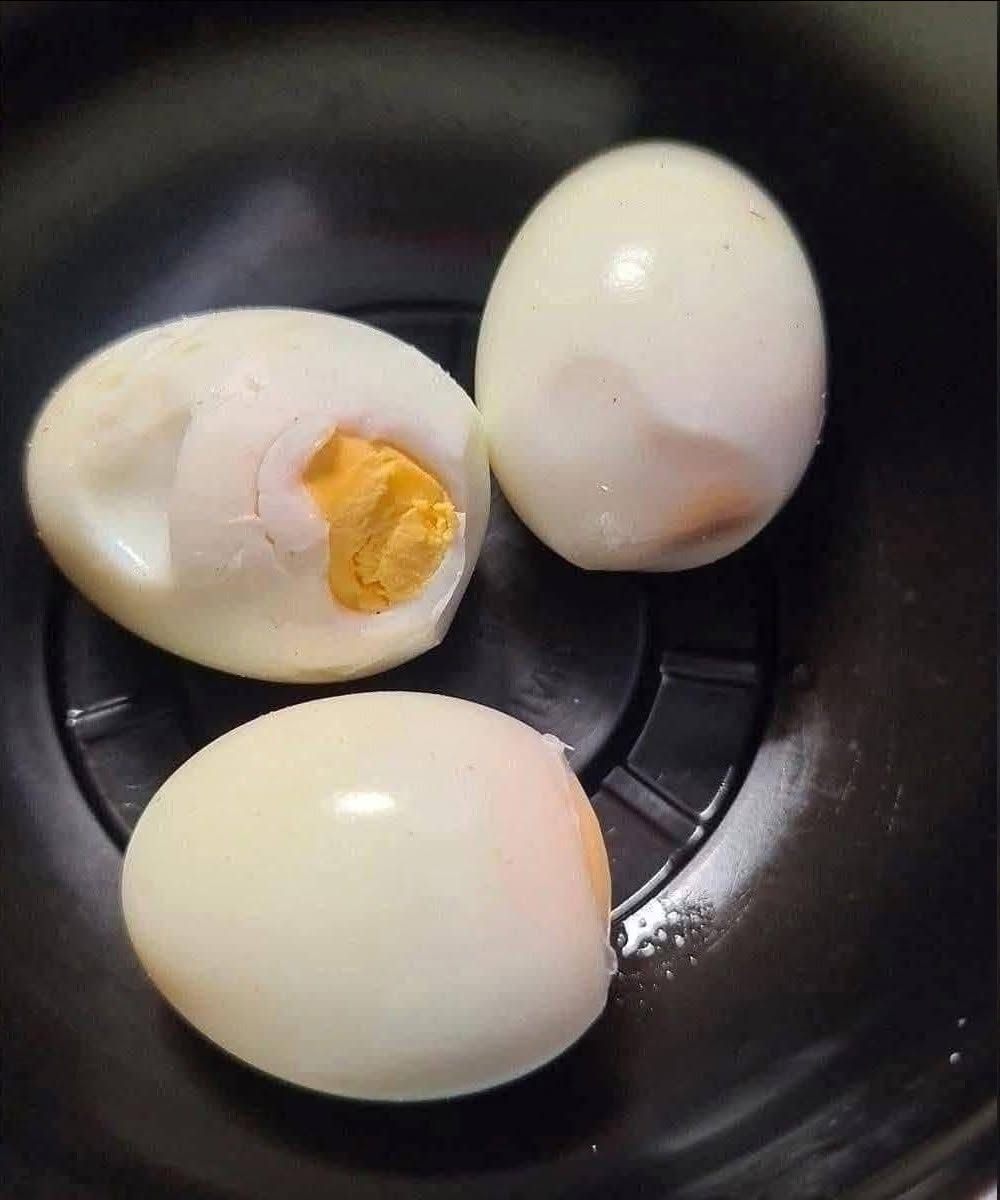
Spoiled Egg: What Happens If You Eat One?

Accidentally eating a spoiled egg can be an unpleasant experience, especially if you notice an unusual smell, strange texture, or an odd appearance after taking a bite. The good news is that eating one questionable egg does not automatically mean you will become seriously ill. What happens next depends on what made the egg unsafe, how much you ate, and whether harmful bacteria were present.
Easy-Peel Hard-Boiled Eggs: 7 Foolproof Tips
Eggs can become unsafe in different ways. Some changes are simply signs of quality deterioration, while others can involve disease-causing bacteria that may not change the egg’s smell, taste, or appearance at all. That distinction is important because you cannot always tell whether an egg is safe simply by looking at it.
One of the main food-safety concerns associated with eggs is Salmonella, a bacterium that can cause foodborne illness. The FDA explains that even clean, uncracked eggs may contain Salmonella, which is why proper refrigeration, handling, and cooking are important. U.S. Food and Drug Administration
So what should you do if you accidentally ate a spoiled egg? Should you make yourself vomit? How soon would symptoms appear? What symptoms should you watch for, and when is it time to contact a doctor?
Let’s break it down clearly.

What Does a Spoiled Egg Actually Mean?
The word “spoiled” can describe several different things.
An egg may deteriorate because it has been stored too long, exposed to unfavorable conditions, or contaminated with microorganisms. Some microorganisms cause obvious spoilage, such as an unpleasant smell or unusual color. Other disease-causing bacteria may be present without producing obvious signs.
This means spoilage and foodborne illness aren’t exactly the same thing.
USDA guidance explains that spoilage bacteria generally cause changes such as unpleasant odors, sliminess, or other deterioration, but they do not necessarily cause illness. Pathogenic bacteria, on the other hand, can make someone sick without necessarily changing the food’s taste, smell, or appearance. Ask USDA
That is why you should never rely exclusively on your nose to determine whether an egg is safe.
What Happens If You Accidentally Eat a Spoiled Egg?
There are several possibilities.
You may feel completely fine.
If the egg was simply old or had some quality deterioration but did not contain harmful pathogens, you may not experience any symptoms.
You may develop stomach discomfort.
Depending on the contamination and your individual sensitivity, you could experience nausea, abdominal discomfort, vomiting, or diarrhea.
You may develop food poisoning.
If the egg contained a disease-causing organism such as Salmonella, symptoms can include diarrhea, fever, abdominal cramps, and vomiting.
The FDA says Salmonella symptoms commonly develop 12 to 72 hours after infection and usually last around 4 to 7 days. U.S. Food and Drug Administration
However, not every episode of stomach upset after eating an egg necessarily means Salmonella. Food poisoning can have several causes, and symptoms can overlap with stomach viruses and other gastrointestinal problems.
Does Eating One Spoiled Egg Mean You Will Get Sick?
No.
Eating a questionable egg does not guarantee illness.
Whether you become sick depends on factors such as:
- What contaminated the egg
- Whether harmful bacteria were actually present
- How much contaminated food was consumed
- How the egg was prepared
- Your individual health and immune response
- How the egg was stored before you ate it
Some people eat food that has begun to deteriorate and experience no symptoms at all.
That said, you shouldn’t deliberately eat questionable eggs simply because one person had no reaction.
Food safety is about reducing risk rather than waiting to see whether something makes you sick.
The Most Important Difference: Spoilage vs. Pathogenic Bacteria
This distinction is worth understanding.
Spoilage bacteria
These microorganisms can cause noticeable changes in food.
You might notice:
- A strong unpleasant odor
- Slimy texture
- Unusual discoloration
- Gas or bubbling
- A strange appearance
These changes often make the food obviously unappetizing.
Pathogenic bacteria
Disease-causing bacteria are different.
They may not make food smell bad or look unusual.
USDA specifically notes that pathogenic bacteria can grow in food without necessarily affecting its taste, smell, or appearance. Ask USDA
This is one reason proper cooking and storage are so important.
Can a Spoiled Egg Cause Salmonella?
An egg that has visibly spoiled is not necessarily contaminated with Salmonella, and Salmonella contamination doesn’t necessarily cause visible spoilage.
However, eggs are a recognized source of Salmonella exposure.
The FDA states that fresh eggs, even eggs with clean and uncracked shells, may contain Salmonella. U.S. Food and Drug Administration
USDA also explains that Salmonella can contaminate an egg during its development inside the hen or after the egg is laid, including through the shell. Ask USDA
That is why food-safety advice focuses on the entire process:
buying → refrigerating → handling → cooking → storing leftovers.
What Are the Symptoms to Watch For?
If you accidentally ate a questionable egg, don’t panic.
Instead, pay attention to how you feel over the following days.
Possible foodborne-illness symptoms include:
- Diarrhea
- Stomach cramps
- Abdominal pain
- Nausea
- Vomiting
- Fever
- Headache
- General weakness or body aches
The FDA lists vomiting, diarrhea, abdominal pain, fever, headache, and body aches among possible foodborne-illness symptoms. U.S. Food and Drug Administration
Symptoms vary considerably between people.
Some people may experience mild digestive symptoms, while others can become much more ill.
How Quickly Can Symptoms Start?
This is one of the most common questions after eating a questionable egg.
There isn’t one exact timetable for every type of food poisoning.
For Salmonella specifically, the FDA states that symptoms commonly appear 12 to 72 hours after infection. U.S. Food and Drug Administration
That means you shouldn’t assume that feeling fine immediately after eating the egg proves that everything is fine.
At the same time, you shouldn’t assume that every stomach sensation several hours later was caused by the egg.
Other foods, stomach viruses, stress, and other conditions can produce similar symptoms.