
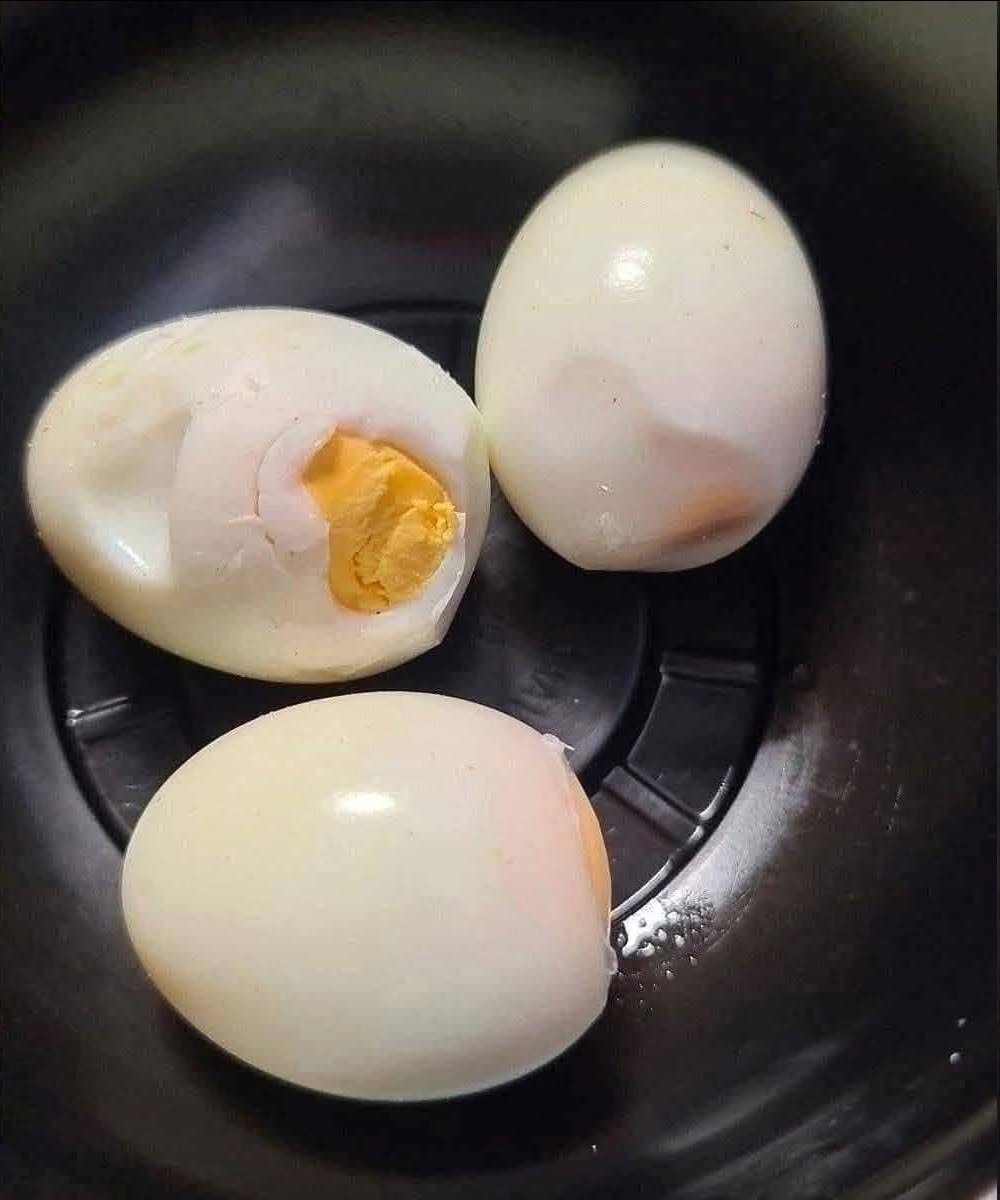
What Should You Do Immediately After Eating a Spoiled Egg?
If you realize you have eaten an egg that may have been spoiled, the first thing to do is stay calm.
There is generally no reason to try to make yourself vomit simply because you suspect an egg was spoiled.
Instead:
1. Stop eating the questionable egg
Don’t take another bite to “check” whether it really tastes bad.
2. Dispose of the questionable food
If the remaining egg smells strongly unpleasant or looks abnormal, throw it away.
3. Wash anything that contacted the egg
Wash your hands, utensils, dishes, and preparation surfaces appropriately.
The FDA recommends washing hands, utensils, equipment, and work surfaces with hot, soapy water before and after contact with raw eggs and egg-containing foods. U.S. Food and Drug Administration
4. Drink normally
If you’re feeling well, continue your normal fluid intake.
5. Monitor yourself
Pay attention to symptoms over the next few days.
Should You Make Yourself Vomit After Eating a Spoiled Egg?
No.
Trying to force yourself to vomit can cause additional problems, including irritation and dehydration.
Instead, monitor for symptoms and seek medical advice if you become significantly unwell.
If vomiting or diarrhea develops, maintaining hydration becomes particularly important.
What If the Egg Tasted Strange?
A strange taste is a good reason to stop eating the egg.
An unusual sulfur-like or rotten smell is one of the classic signs that an egg has undergone spoilage.
However, remember that the absence of a bad smell does not guarantee that an egg is free of pathogens.
That’s why food safety cannot depend entirely on smell.
What If the Egg Smelled Rotten?
If you crack an egg and immediately notice a strong rotten odor, don’t eat it.
Throw it away.
Don’t try to cook it longer to “kill the smell.”
Cooking may destroy certain harmful bacteria when done properly, but it doesn’t make visibly spoiled food a good choice.
If an egg has clearly deteriorated, replacing it is the safer option.
What Does a Bad Egg Look Like?
There are several visual changes that can be warning signs.
For example, an egg may show:
- Unusual discoloration
- Pink or iridescent egg white
- An abnormal texture
- Mold
- Unusual sliminess
- An unpleasant odor when cracked
USDA notes that a pink or iridescent egg white can indicate spoilage associated with Pseudomonas bacteria, some of which can be harmful to humans. Ask USDA
If an egg looks distinctly abnormal, don’t take chances.
Is a Green Ring Around a Hard-Boiled Egg Dangerous?
Not necessarily.
This is an important distinction because many people throw away perfectly safe hard-boiled eggs after seeing a green-gray ring around the yolk.
USDA explains that the green ring can result from a reaction involving sulfur and iron compounds during cooking. It can also be related to iron in the cooking water. According to USDA, this green coloration is safe to eat. Ask USDA
So:
Green ring around an otherwise normal hard-boiled yolk ≠ automatically spoiled egg.
The appearance should be considered together with smell, storage history, and other signs.
What If the Egg White Is Cloudy?
A cloudy egg white isn’t necessarily a sign of spoilage.
In fact, USDA says a cloudy albumen can indicate that the egg is very fresh, while a clearer white can indicate that the egg is aging. Ask USDA
So don’t confuse every unusual-looking egg white with a dangerous one.
Eggs naturally change as they age.
What If There Is a Blood Spot in the Egg?
A small blood spot isn’t automatically a sign that the egg is spoiled.
USDA explains that blood spots can occur when a small blood vessel ruptures during ovulation and that they do not by themselves indicate that an egg is unsafe. Ask USDA
If the egg otherwise looks and smells normal and has been properly stored, a blood spot isn’t the same thing as spoilage.
How Long Do Eggs Last in the Refrigerator?
Proper storage makes a major difference.
The FDA recommends keeping eggs refrigerated at 40°F (4°C) or below and storing them in their original carton. The FDA says eggs should be used within about 3 weeks for best quality. U.S. Food and Drug Administration
This doesn’t mean every egg becomes dangerous immediately after three weeks.
Quality and safety aren’t identical concepts.
But keeping eggs properly refrigerated and following the dates and storage instructions on the package is an important way to reduce risk.
How Long Do Hard-Boiled Eggs Last?
Hard-boiled eggs have a different storage timeline.
The FDA recommends using or eating hard-cooked eggs, whether peeled or unpeeled, within 1 week after cooking. U.S. Food and Drug Administration
This is useful to remember when preparing eggs for:
- Breakfast
- Salads
- Lunch boxes
- Meal prep
- Snacks
- Deviled eggs
Labeling the container with the cooking date can make it much easier to remember when the eggs were prepared.
How Long Can Cooked Eggs Sit Out?
Don’t leave cooked eggs sitting on the counter for long periods.
The FDA recommends refrigerating cooked eggs and egg dishes promptly and says cooked eggs or egg dishes should not remain unrefrigerated for more than 2 hours, or more than 1 hour when temperatures exceed 90°F (32°C). U.S. Food and Drug Administration
This is especially important at:
- Outdoor parties
- Picnics
- Buffets
- Family gatherings
- Hot summer events
If you’re serving eggs outdoors, keep cold foods properly chilled.
Why Refrigeration Matters
Bacteria can multiply much more quickly when food is kept in temperatures that allow rapid growth.
USDA explains that keeping eggs refrigerated helps reduce Salmonella growth and recommends not leaving refrigerated eggs at room temperature for more than two hours, or one hour when temperatures are 90°F or higher. Ask USDA
This is why the simple habit of putting eggs back into the refrigerator after use matters.
Should Eggs Be Stored in the Refrigerator Door?
The refrigerator door experiences more temperature fluctuations than the interior shelves.
For more stable storage, the FDA recommends keeping eggs in their original carton in the refrigerator rather than the door. U.S. Food and Drug Administration
The carton also provides useful information about:
- Product identification
- Dates
- Handling instructions
Keeping eggs in their original carton is therefore practical as well as protective.
Can You Eat an Egg After the Date on the Carton?
A date printed on food packaging does not always mean that the food suddenly becomes unsafe at midnight on that date.
FDA explains that a “use by” date is generally associated with the manufacturer’s recommendation for best quality rather than being an automatic food-safety deadline. U.S. Food and Drug Administration
However, that doesn’t mean you should ignore storage conditions.
An egg that has been improperly refrigerated or exposed to unsafe conditions can be risky regardless of its printed date.
When in doubt about an egg’s safety, throwing it away is the simplest option.
What Temperature Should Eggs Be Cooked To?
Proper cooking is one of the most important ways to reduce the risk from harmful bacteria.
The FDA recommends cooking eggs until both the white and yolk are firm. Egg dishes such as casseroles should reach 160°F (71°C). U.S. Food and Drug Administration
For dishes where eggs remain raw or undercooked, the FDA recommends using pasteurized shell eggs or pasteurized egg products. U.S. Food and Drug Administration
This is particularly relevant when making foods such as:
- Homemade mayonnaise
- Certain desserts
- Caesar dressing
- Homemade ice cream
- Eggnog
- Some sauces
Can Cooking a Spoiled Egg Make It Safe?
This is an important misconception.
Cooking can destroy many harmful microorganisms when food is cooked properly, but you should not rely on cooking to rescue food that is clearly spoiled.
If an egg smells rotten or has obvious signs of deterioration, discard it.
Safe cooking is not a reason to use food that is already clearly spoiled.
What If You Ate Raw or Undercooked Egg?
The risk is different when the egg was raw or undercooked.
The FDA recommends cooking eggs until the yolk and white are firm and using pasteurized eggs or egg products when recipes call for eggs that remain raw or undercooked. U.S. Food and Drug Administration
This matters for recipes such as homemade mayonnaise, certain creamy desserts, and some dressings.
If you’re preparing food for someone at higher risk of severe foodborne illness, using pasteurized eggs can be especially important.
Who Is at Higher Risk of Severe Illness?
Most people who develop Salmonella recover, but not everyone has the same risk.
The FDA identifies several groups that are more vulnerable to severe foodborne illness, including:
- Young children
- Older adults
- Pregnant women
- People with weakened immune systems U.S. Food and Drug Administration
If someone in one of these groups eats a questionable egg and develops significant symptoms, contacting a healthcare professional is particularly important.
When Should You Call a Doctor?
A mild episode of stomach discomfort doesn’t necessarily require emergency care.
However, seek medical advice if symptoms become severe, persistent, or concerning.
Pay particular attention to:
- Severe or persistent vomiting
- Significant diarrhea
- Signs of dehydration
- High or persistent fever
- Severe abdominal pain
- Bloody stool
- Confusion or unusual weakness
- Difficulty keeping fluids down
The FDA advises contacting a healthcare provider if you think you or a family member has a foodborne illness. U.S. Food and Drug Administration
If symptoms are severe or rapidly worsening, seek urgent medical care.
What Are Signs of Dehydration?
Vomiting and diarrhea can cause fluid loss.
Possible signs of dehydration can include:
- Very dry mouth
- Strong thirst
- Dizziness
- Weakness
- Reduced urination
- Dark urine
If you cannot keep fluids down or you’re becoming increasingly weak or dizzy, medical attention may be necessary.
Children, older adults, and people with certain medical conditions can become dehydrated more quickly.
What Should You Eat If Your Stomach Becomes Upset?
If you develop mild digestive symptoms, focus first on hydration.
Depending on how you’re feeling, small portions of simple foods may be easier to tolerate than heavy meals.
You might choose:
- Toast
- Rice
- Bananas
- Crackers
- Plain potatoes
- Broth
- Other foods you normally tolerate
You don’t need to force yourself to eat if you have no appetite.
The priority during vomiting or diarrhea is generally maintaining adequate fluids.
If symptoms are significant, ask a healthcare professional what is appropriate for you.
Should You Take Medicine Immediately?
Don’t automatically take medication simply because you ate a questionable egg.
If symptoms develop, treatment depends on their severity and cause.
Some medications may not be appropriate for certain infections or for certain people.
If you’re experiencing significant symptoms, especially fever, bloody diarrhea, severe pain, or persistent vomiting, seek medical advice rather than trying to manage everything yourself.
How to Prevent Eating a Spoiled Egg
The best solution is prevention.
A few simple habits can greatly reduce your risk.
Buy eggs carefully
Choose eggs that are refrigerated and have clean, intact shells.
FDA recommends buying eggs from refrigerated cases and checking the carton for cracked or dirty eggs. U.S. Food and Drug Administration
Refrigerate them promptly
Keep eggs at 40°F (4°C) or below.
Keep them in their carton
This helps protect them and makes date tracking easier.
Wash your hands
Wash your hands after handling raw eggs.
Clean preparation surfaces
Clean countertops, utensils, bowls, and other equipment that come into contact with raw egg.
Cook eggs thoroughly
Cook eggs until whites and yolks are firm unless you’re specifically using a safe pasteurized product for a recipe that requires raw or undercooked eggs.

Don’t Wash Eggs at Home
If you’re buying commercially prepared eggs, don’t assume that washing the shells again at home makes them safer.
The safest approach is to follow the storage and handling instructions provided for your eggs.
Instead of washing eggs, focus on:
- Clean hands
- Clean utensils
- Proper refrigeration
- Proper cooking
- Preventing cross-contamination
What Is Cross-Contamination?
Cross-contamination happens when microorganisms are transferred from one food or surface to another.
For example, you could crack raw eggs into a bowl and then use the same unwashed utensil to handle cooked food.
That’s why the FDA recommends washing hands, utensils, equipment, and work surfaces after they come into contact with raw eggs. U.S. Food and Drug Administration
A clean kitchen isn’t just about appearance.
It’s an important part of food safety.
Can You Smell Salmonella?
No.
This is one of the most important things to understand about eggs.
Salmonella contamination isn’t something you can reliably identify by smell.
An egg can look completely normal and still potentially contain Salmonella.
The FDA specifically warns that even clean, uncracked eggs can contain Salmonella. U.S. Food and Drug Administration
That’s why safe handling and cooking are more reliable than the smell test.