
How to Devein Shrimp: The Easy Way to Clean Shrimp
Shrimp are one of the easiest seafood ingredients to turn into an impressive meal, but preparing them can feel confusing if you’ve never cleaned them yourself.
One of the most common questions is simple: how to devein shrimp without damaging the delicate meat.
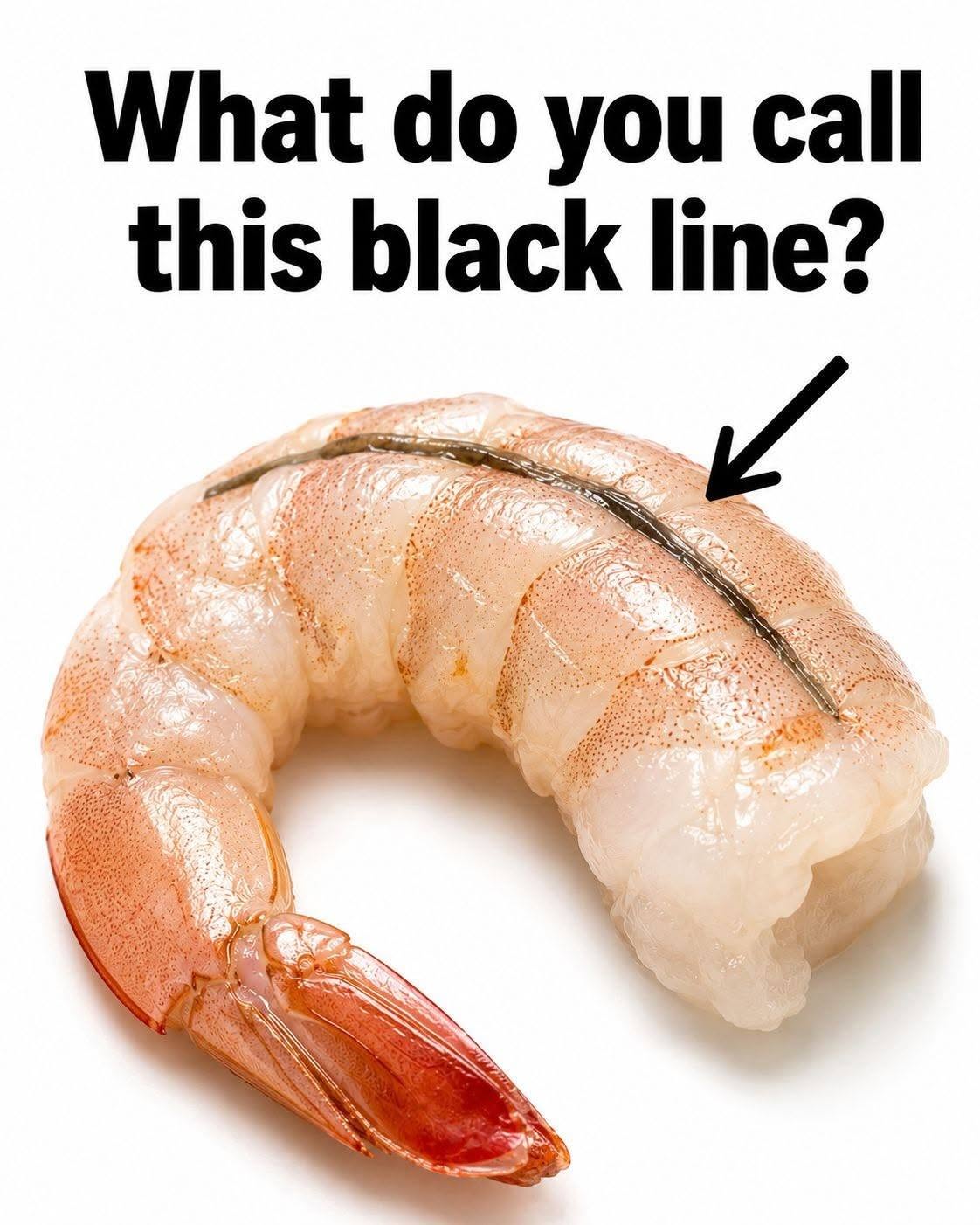
The dark line running along the back of a shrimp can look unpleasant, especially when you’re preparing a large batch. Fortunately, removing it is much easier than it may seem. With a small sharp knife or a shrimp deveining tool, you can clean shrimp in just a few seconds.
And there’s an important detail many people don’t realize: that dark line is the shrimp’s digestive tract. Whether you choose to remove it can depend on the shrimp’s size, appearance, and your personal preference.
This guide explains exactly how to devein shrimp, when you should do it, what tools work best, and how to handle raw shrimp safely from the moment you buy it until it reaches your plate.
Why Learn How to Devein Shrimp?
Learning how to devein shrimp is useful because properly cleaned shrimp look more attractive and can have a cleaner presentation once cooked.
For larger shrimp, the dark digestive tract can sometimes contain visible material, making the shrimp look less appealing.
Deveining also gives you an opportunity to inspect the shrimp before cooking. While you’re cleaning them, you can remove any remaining shell fragments, loose pieces, or other material you don’t want on the finished shrimp.
However, deveining isn’t the same thing as removing something poisonous or dangerous.
The dark line is part of the shrimp’s digestive system, and removing it is primarily a matter of appearance, texture, and personal preference.
What Is the Dark Line Inside Shrimp?
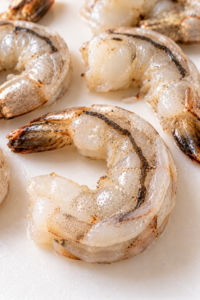
The dark line that runs along the curved back of a shrimp is its digestive tract.
It is sometimes called the “vein,” although it isn’t actually a vein.
Depending on the shrimp and what it has eaten, the digestive tract may appear:
- Dark gray
- Brown
- Black
- Almost transparent
- Barely visible
In very small shrimp, the line may be difficult to see at all.
In larger shrimp, particularly jumbo shrimp, it can be much more noticeable.
That’s one reason larger shrimp are often deveined before cooking.
Do You Have to Devein Shrimp?
No, you don’t always have to.
Many shrimp are sold already peeled and deveined, making preparation extremely easy.
If you buy shell-on shrimp, you can decide whether you want to remove the digestive tract yourself.
For very small shrimp, the line may be barely noticeable and removing it may not be worth the extra time.
For large shrimp, however, many cooks prefer to devein them because the line is more visible and the finished shrimp look cleaner.
So when deciding how to devein shrimp, think about the size of the shrimp and how you plan to serve them.
For a dinner party or a dish where the shrimp are the visual centerpiece, deveining is usually worth the few extra minutes.
What You Need to Devein Shrimp
You don’t need a complicated collection of kitchen equipment.
A small sharp paring knife
A small, sharp knife gives you excellent control.
The blade only needs to make a shallow cut along the back of the shrimp.
Shrimp deveining tool
A dedicated shrimp deveiner can make the process even faster if you’re cleaning large quantities.
These inexpensive tools are designed to slide beneath the shell and digestive tract.
Clean cutting board
Use a clean, washable cutting board and keep raw seafood separate from ready-to-eat ingredients.
Paper towels
Paper towels are useful for keeping your hands and work surface relatively dry while handling the shrimp.