
How to Buy Good Shrimp
Knowing how to devein shrimp is helpful, but choosing good shrimp in the first place is equally important.
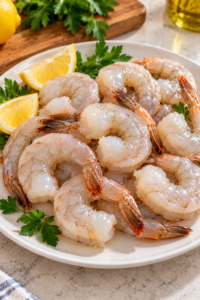
When buying fresh shrimp, look for shrimp that are:
- Firm
- Moist but not slimy
- Clear or pearl-like
- Free of unusual discoloration
- Mild-smelling
Avoid shrimp with strong sour, rancid, or ammonia-like odors.
If buying frozen shrimp, check that the package is intact and that the shrimp remain properly frozen.
For more detailed seafood purchasing and storage advice, the FDA’s guide to selecting and serving fresh and frozen seafood is a useful reference. U.S. Food and Drug Administration
Fresh vs. Frozen Shrimp
Frozen shrimp can be an excellent choice.
In fact, many shrimp are frozen soon after being caught, which can help preserve quality during transportation and storage.
The most important thing is proper handling.
If you buy frozen shrimp, thaw them safely in the refrigerator whenever possible.
The FDA also notes that seafood can be thawed in cold water or in a microwave when necessary, but seafood thawed using those faster methods should be cooked immediately afterward. U.S. Food and Drug Administration
Never leave frozen shrimp thawing on the kitchen counter.
Common Mistakes When Deveining Shrimp
Cutting too deeply
One of the most common mistakes is using too much pressure with the knife.
You only need a shallow cut.
Cutting deeply can damage the shrimp and make it difficult to maintain its shape.
Pulling too aggressively
The digestive tract can break.
That’s normal.
If it breaks, simply expose the remaining portion and remove it.
There’s no need to fight with the shrimp.
Using a dull knife
A dull knife often requires more pressure.
A small sharp knife provides much better control.
Leaving shrimp at room temperature
Raw shrimp should remain cold while you’re preparing them.
Don’t prepare a large batch and then leave the entire bowl sitting out for an extended period.
The FDA recommends refrigerating or freezing seafood promptly and not leaving perishable foods at room temperature for more than two hours, or one hour when temperatures exceed 90°F. U.S. Food and Drug Administration
Cross-contaminating your kitchen
Don’t use the same cutting board or utensils for raw shrimp and ready-to-eat foods without washing them properly between uses.
This is particularly important if you’re preparing a salad, fresh vegetables, or another food that won’t be cooked afterward.
Food Safety When Preparing Shrimp
Deveining is only one part of safe shrimp preparation.
Because shrimp are raw seafood, proper temperature control and cooking are important.
Keep raw shrimp refrigerated until you’re ready to prepare them.
Wash your hands with soap and water after handling raw seafood.
Clean knives, cutting boards, counters, and other surfaces that come into contact with raw shrimp.
Keep raw shrimp away from cooked shrimp and other ready-to-eat foods.
Cook shrimp thoroughly
The FDA recommends cooking most seafood to an internal temperature of 145°F. For shrimp specifically, the flesh should become firm, pearly, and opaque. U.S. Food and Drug Administration
A food thermometer is the most reliable way to verify cooking temperature.
Don’t rely solely on the color of the outside.
How to Tell When Shrimp Are Done
Properly cooked shrimp should become:
- Opaque rather than translucent
- Firm but not rubbery
- Curled but not tightly rolled into a circle
Overcooking is one of the easiest ways to ruin shrimp.
They can go from tender to rubbery surprisingly quickly.
If you’re cooking shrimp in a hot skillet, keep a close eye on them.
How to Store Prepared Shrimp
If you’ve peeled and deveined shrimp but aren’t cooking them immediately, keep them refrigerated.
Store them in a clean covered container and keep the refrigerator at 40°F or below.
The FDA recommends using fresh shrimp within about two days when properly refrigerated; otherwise, freezing is the better option. U.S. Food and Drug Administration
Cooked shrimp should also be refrigerated promptly.
Don’t leave cooked seafood sitting at room temperature for extended periods.
Can You Freeze Deveined Shrimp?
Yes.
If you’ve cleaned shrimp in advance, you can freeze them for later use.
Arrange them in a freezer-safe package, remove as much excess air as practical, and label the package with the date.
For best quality, avoid repeatedly thawing and refreezing shrimp.
If you’re planning ahead for a dinner party, cleaning and portioning shrimp before freezing can make cooking day much easier.
Easy Ways to Cook Deveined Shrimp
Once you’ve learned how to devein shrimp, you can use them in countless recipes.
Garlic butter shrimp
Sauté shrimp with butter, garlic, lemon juice, and parsley.
It’s one of the fastest ways to turn cleaned shrimp into dinner.
Shrimp pasta
Toss cooked shrimp with pasta, garlic, olive oil, Parmesan, and a light sauce.
Shrimp tacos
Season shrimp with chili, cumin, garlic, and lime, then serve them in warm tortillas with crunchy toppings.
Shrimp fried rice
Cook shrimp with rice, vegetables, eggs, and a savory sauce.
Grilled shrimp
Thread cleaned shrimp onto skewers and grill until opaque and cooked through.
Shrimp salad
Chilled cooked shrimp work beautifully with crisp lettuce, cucumber, avocado, and a light dressing.
Frequently Asked Questions
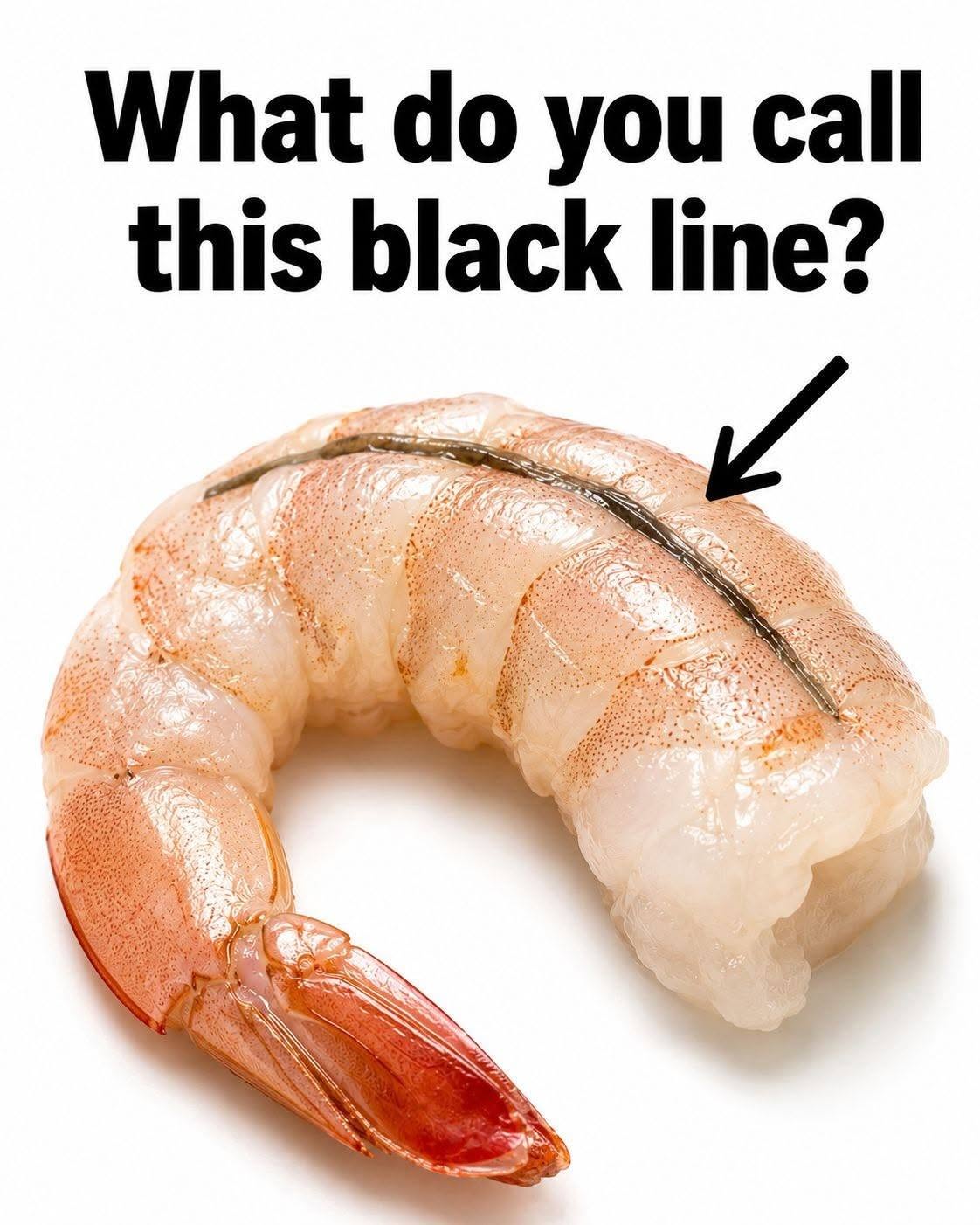
Is the black line in shrimp poop?
The dark line is the shrimp’s digestive tract, so it can contain digestive material. That’s why many people choose to remove it, especially from larger shrimp.
Do you have to devein every shrimp?
No. Small shrimp may have a barely visible digestive tract, and commercially sold shrimp are often already deveined. Whether you remove it is largely a matter of preference and presentation.
Is it safe to eat shrimp without deveining?
Properly handled and thoroughly cooked shrimp can be eaten without removing the digestive tract. Deveining is not the same as making unsafe shrimp safe.
What is the easiest way to devein shrimp?
For most home cooks, peeling the shrimp, making a shallow cut along the back with a small sharp knife, and lifting out the digestive tract is the simplest method.
Can I devein shrimp ahead of time?
Yes. Keep cleaned raw shrimp refrigerated if you plan to cook them soon, or freeze them if they won’t be used within the recommended refrigerated storage period.
Should I rinse shrimp after deveining?
A brief rinse can remove visible debris, but avoid creating splashes around the kitchen. Clean your hands and surfaces carefully after working with raw seafood.
Can I leave the shell on?
Yes. Shrimp can be deveined with the shell on or off. Keeping the shell can be useful for grilling or recipes where the shell contributes flavor.
Why do my shrimp smell strongly?
Fresh shrimp should have a mild smell. A strong sour, rancid, or ammonia-like odor can indicate spoilage. When in doubt, don’t eat them. U.S. Food and Drug Administration
Final Thoughts
Once you understand how to devein shrimp, the process becomes much less intimidating.
A small knife, a few seconds of careful work, and a little practice are usually all you need.
Whether you’re preparing jumbo shrimp for a special dinner or cleaning a batch for a quick weeknight pasta, the technique is essentially the same: remove the shell if desired, expose the digestive tract with a shallow cut, gently pull it away, and keep the raw seafood properly chilled until you’re ready to cook.
The most important thing to remember is that deveining is primarily about removing the digestive tract and improving presentation. It isn’t a substitute for proper seafood handling and thorough cooking.
Once your shrimp are clean, the fun part begins. Garlic butter, pasta, tacos, rice, skewers, salads—the possibilities are almost endless.
And after you’ve done it a few times, you’ll probably wonder why cleaning shrimp ever seemed difficult in the first place.