
Brazil Nuts: The Old-Fashioned Nut With Surprising Uses
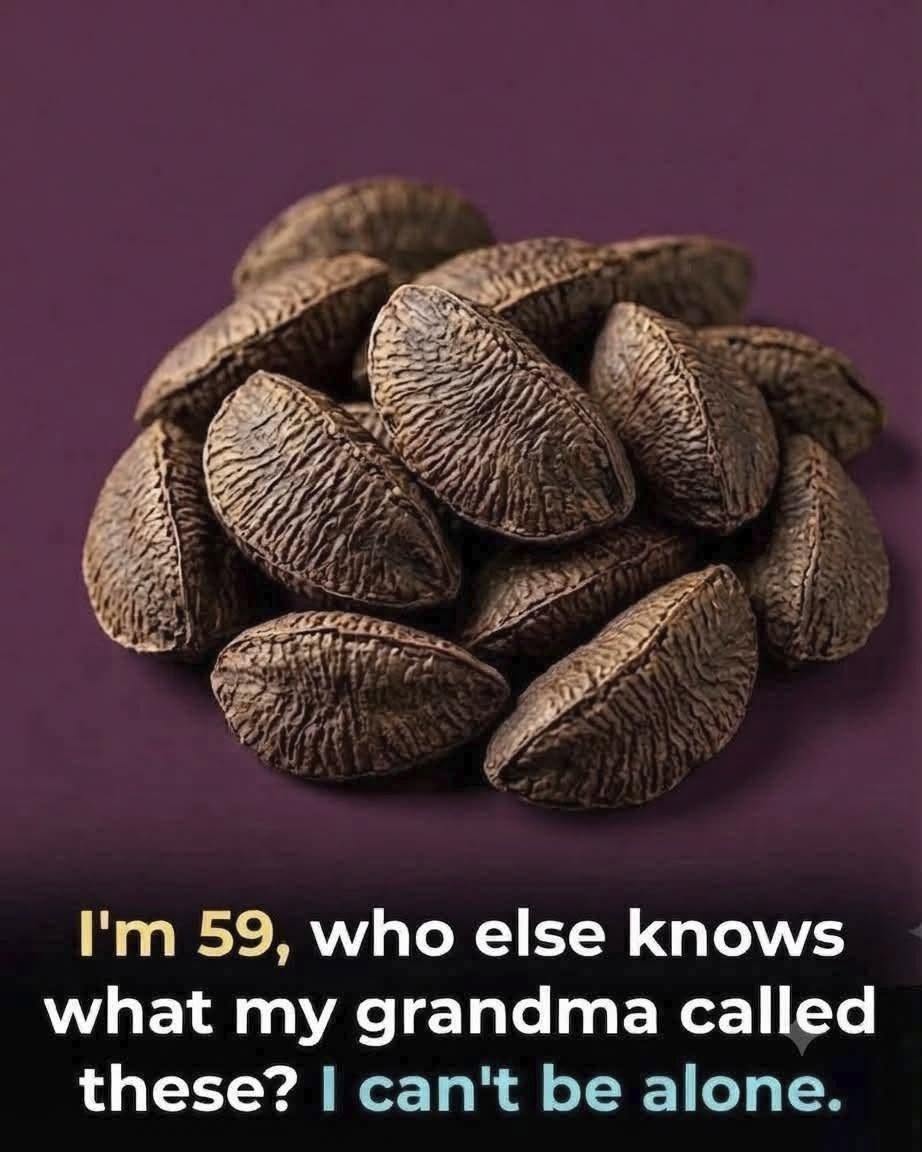
At first glance, the objects in this photo might look like some kind of unusual dried seed or forgotten pantry ingredient. Their deeply textured brown shells and distinctive shape certainly make them easy to mistake for something else.
But these are Brazil nuts—a familiar food to many people who grew up seeing them in holiday nut bowls, mixed-nut tins, and old-fashioned family kitchens.
For some people, Brazil nuts bring back memories of grandparents and traditional snacks. Others may recognize the appearance but have never actually bought or eaten them.
Beyond their nostalgic appeal, Brazil nuts are especially interesting because they contain an unusually high amount of selenium, an essential mineral involved in several important functions in the body.
At the same time, their very high selenium content means that more is not necessarily better. A small amount can provide a substantial amount of selenium, so Brazil nuts are one of those foods where portion awareness matters.
Let’s take a closer look at what Brazil nuts are, where they come from, how people traditionally use them, what makes them nutritionally interesting, and why you shouldn’t treat them like an ordinary handful of nuts.
What Are Brazil Nuts?
Brazil nuts are the edible seeds of the Bertholletia excelsa tree, a large tree native to the Amazon rainforest.
Despite their name, Brazil nuts aren’t exclusive to Brazil. The trees grow naturally in parts of the Amazon region of South America.
The nuts develop inside large, hard fruits that can fall from the trees when mature. Inside these fruits are multiple individual nuts arranged in a way that gives them their distinctive shape.
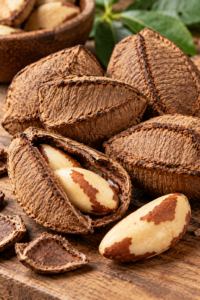
Once the outer fruit is opened and the nuts are processed, the familiar brown, ridged shells—or the pale edible kernels after shelling—are what consumers recognize as Brazil nuts.
Their flavor is rich, creamy, and slightly earthy, with a texture that can be softer and more buttery than some other tree nuts.
Why Do Brazil Nuts Look So Unusual?
One reason people sometimes don’t recognize them is their appearance.
Brazil nuts have a distinctive angular, elongated shape and a deeply textured outer surface. Shelled Brazil nuts are usually pale cream in color, while nuts sold in their shells have a darker, rugged appearance.
Their unusual shape is partly related to the way the individual seeds develop inside the large fruit.
The nuts are naturally protected by a hard outer covering, which helps explain why the whole fruit and its contents look very different from the packaged nuts found in supermarkets.
Where Do Brazil Nuts Come From?
Brazil nuts come from trees native to the Amazon rainforest.
Unlike many commercial crops that can be grown easily in large agricultural fields, Brazil nuts are strongly associated with natural Amazonian forest ecosystems.
Brazil nut trees can become extremely large and live for many decades.
The nuts have long been an important forest product for communities in the Amazon region.
Their harvesting also has an interesting connection to the rainforest because Brazil nut production relies heavily on natural ecological relationships, including pollination and seed dispersal.
What Do Brazil Nuts Taste Like?
If you’ve never tried one, the flavor is usually described as rich, creamy, buttery, and mildly earthy.
They’re less delicate than some nuts and can have a satisfying crunch when fresh.
Their rich flavor means you don’t necessarily need to eat a large quantity to enjoy them.
Brazil nuts can be eaten on their own or incorporated into other foods.
Try chopping them over:
- Oatmeal
- Yogurt
- Fruit
- Salads
- Breakfast bowls
- Granola
- Baked goods
- Chocolate desserts
Their rich flavor also works particularly well with dried fruit and dark chocolate.