
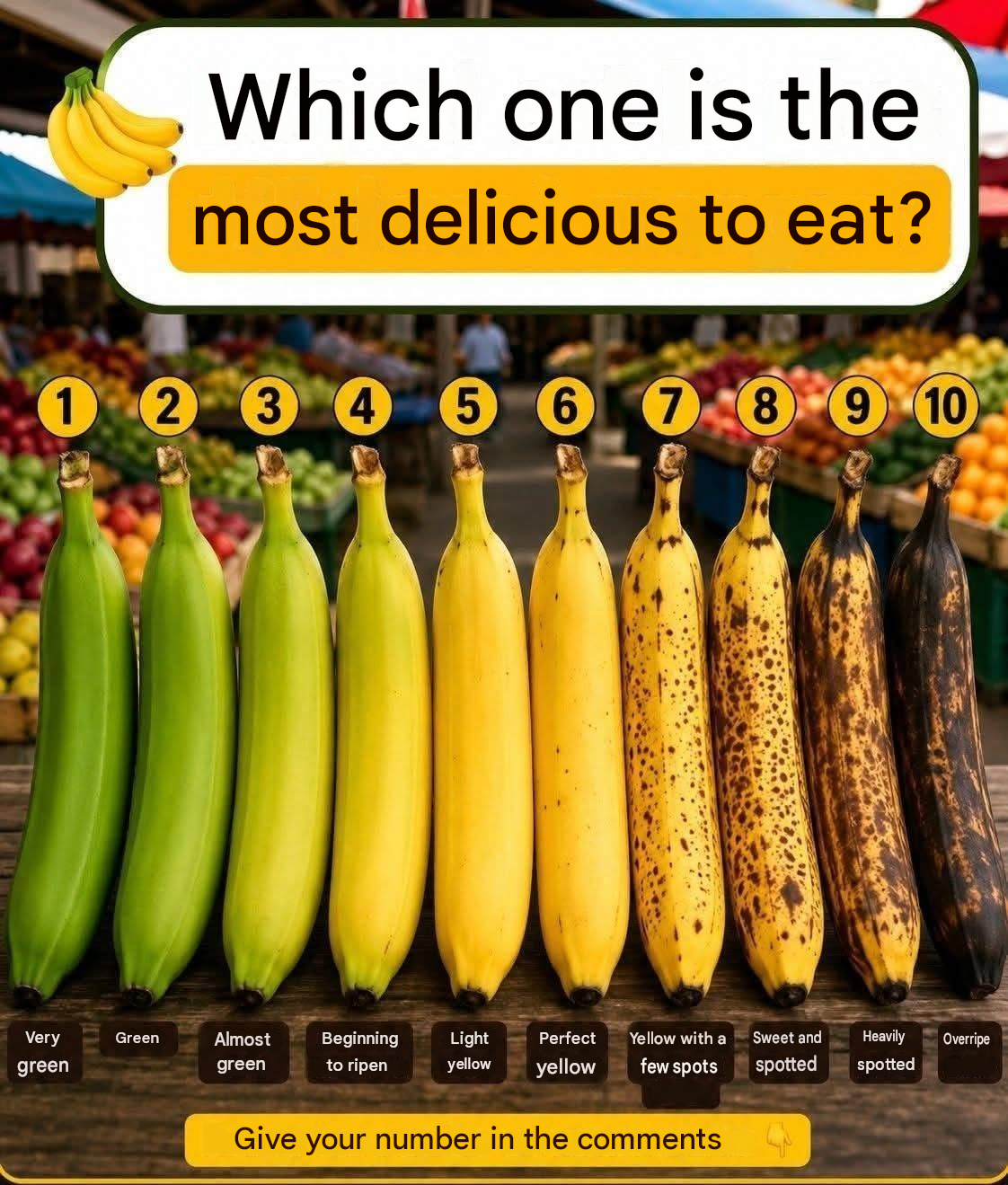
Which Banana Is Best for Digestion?
This depends on the person.
Green bananas contain more resistant starch, which reaches the large intestine and can be fermented by gut bacteria.
For some people, resistant starch can be beneficial as part of a varied diet.
For others, eating a large amount of very green banana may cause bloating or digestive discomfort.
A softer, ripe banana may be easier to eat and tolerate.
If you have a sensitive digestive system, pay attention to how your body responds rather than assuming that the greenest banana is automatically better.
Which Banana Is Best for Constipation?
Bananas can be included in a diet that supports digestive health, but their effect can vary depending on ripeness and the individual.
Green bananas contain more resistant starch, while ripe bananas have a different carbohydrate profile.
For constipation, the bigger picture matters: adequate fluid intake, sufficient dietary fiber, physical activity, and an overall balanced diet are important.
If constipation is persistent, severe, or accompanied by blood in the stool, unexplained weight loss, vomiting, or significant abdominal pain, it should be discussed with a healthcare professional rather than treated only with bananas.
Which Banana Is Best Before Exercise?
A ripe yellow banana can be a convenient pre-workout food because it provides easily available carbohydrate and is portable.
Bananas also contain potassium and magnesium, minerals involved in normal muscle and nerve function. Cleveland Clinic
For a quick snack before physical activity, many people find a ripe banana easier to eat than a very green one.
The ideal choice depends on your workout, meal timing, and personal tolerance.
Which Banana Is Best for Weight Management?
No particular banana ripeness magically causes weight loss.
A banana can fit into a weight-conscious eating pattern because it is a whole fruit and can be satisfying.
The most important factor is your overall calorie intake and dietary pattern.
Choosing a slightly less ripe banana because you enjoy its texture may be reasonable, but there is no need to avoid ripe bananas simply because they taste sweeter.
Portion size and your total diet matter much more.
Is a Brown Banana Bad for You?
Not necessarily.
Brown spots are a normal part of ripening.
The important distinction is between ripeness and spoilage.
A ripe banana may have:
- Brown spots on the peel
- A soft texture
- A stronger banana smell
- A sweeter taste
A spoiled banana may have:
- Visible mold
- An unpleasant fermented or rotten odor
- Leaking liquid
- An unusual slimy texture
- Extensive dark deterioration inside
If you see mold, especially fuzzy mold, it’s safer to discard the banana.
How to Store Bananas
If your bananas are ripening too quickly, there are several simple ways to slow the process.
Keep unripe bananas at room temperature until they reach the ripeness you prefer.
Once they are ripe, refrigerating them can slow further ripening. The peel may become darker in the refrigerator, but the inside can remain usable.
You can also peel very ripe bananas and freeze them for smoothies or baking.
Frozen ripe bananas are especially useful when you have several bananas that are becoming too soft to eat.
Don’t Judge a Banana Only by Its Color
The color of the peel gives you useful information, but it isn’t a perfect measurement of nutritional quality.
Different banana varieties can have different colors and textures.
Storage conditions can also affect appearance.
A banana with many spots isn’t automatically more nutritious than a yellow banana, and a green banana isn’t automatically healthier than a ripe one.
The best choice depends on what you want from the fruit.
If you want more resistant starch and less sweetness, choose a firmer banana.
If you want a naturally sweet snack, choose a ripe yellow banana.
If you’re baking, very ripe bananas are often ideal.
The Best Banana Ripeness Depends on Your Goal
Here’s a simple guide:
| Banana stage | Best for |
|---|---|
| Very green | Higher resistant starch, cooking |
| Green-yellow | Less sweetness, firmer texture |
| Mostly yellow | Everyday snacking |
| Fully yellow | Sweetness and easy eating |
| Yellow with spots | Smoothies and snacks |
| Heavily spotted | Baking and desserts |
| Very overripe | Baking, if not spoiled |
There isn’t one universal winner.
Instead, think about what you need.
For resistant starch, greener bananas are generally more interesting.
For sweetness and convenience, yellow bananas are excellent.
For baking, spotted bananas are often the easiest choice.
For smoothies, very ripe bananas can provide natural sweetness and a creamy texture.