
How to Pick Raspberries: A Practical Guide to a Better Harvest
A ripe raspberry should come away from the plant with almost no effort. That gentle release is one of the pleasures of picking your own fruit, but it is also the most useful clue that a berry is ready. Pull too soon and it may taste tart. Wait too long and it can turn soft before it reaches your kitchen.
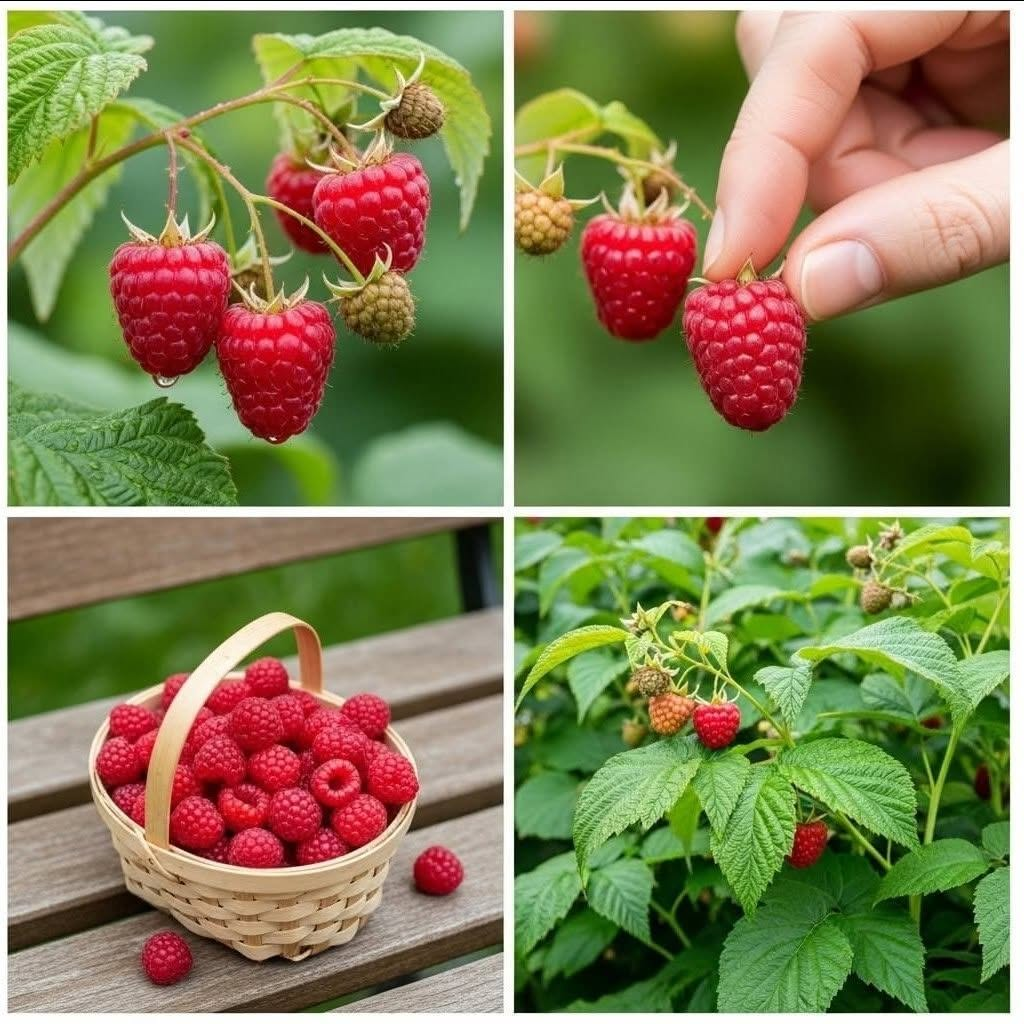
The photo tells the story: red berries share a cane with fruit that is still pale and unripe, while a basket waits for the finished harvest. The trick is to choose each raspberry individually. Even berries growing side by side may be at different stages.
How To Keep Strawberries Fresh For Longer
If you are wondering how to pick raspberries without crushing them, this guide covers what to look for, how to handle the fruit, when to return to the canes, and what to do once your basket is full. It also explains a storage detail that is easy to get wrong: keep freshly picked berries dry in the refrigerator, then rinse them before eating or preparing them.
Why Picking at the Right Time Matters
Raspberries are delicate. A berry can look inviting on the plant yet resist when you try to remove it. Another may release perfectly but become squashed if you grip it too tightly. Picking at the right stage gives you better flavor and texture while making the fruit easier to handle.
A raspberry cane rarely offers its entire crop at once. As the image shows, fully red fruit can hang next to small, pale berries that need more time. A successful harvest is therefore a series of short visits rather than one attempt to empty the plant.
There is a practical benefit to checking regularly, too. Fruit left to become overripe is more likely to be damaged or spoiled. Oregon State University Extension advises picking ripe raspberries regularly and handling them gently to preserve their firmness. OSU Extension Service
What Makes This Harvest Different From Picking Other Berries?
The best test is not color alone. A ripe raspberry separates easily from the small central core attached to the plant. Once picked, the berry has a hollow center. If you need to tug firmly, leave it and check again later.
That distinction is helpful when learning how to pick raspberries because color varies by variety. Red raspberries may deepen as they ripen, while other varieties can be yellow, purple, or nearly black. Rather than relying on one universal shade, learn what ripe fruit looks like on your particular plant and pair that visual check with the gentle-release test.
The fruit’s shape also calls for a light touch. A raspberry is made up of many small sections, and pressure can flatten or split them. A shallow container protects the berries you have already picked from the weight of the next handful.
What You Need Before You Start
You do not need special harvesting equipment. A few simple preparations make picking cleaner and more comfortable:
- Clean hands: Wash them before handling fruit.
- A clean, shallow container: A small basket or tray helps prevent berries at the bottom from being crushed.
- A second container, if useful: Keep questionable or damaged fruit separate from the berries you plan to eat fresh.
- Comfortable clothing: Raspberry canes can be prickly, so sleeves may help when reaching into a patch.
- A plan for the harvest: Know whether the berries are going straight into the refrigerator, into a recipe, or into the freezer.
Choose a container you can carry easily while keeping it level. A large, deep basket may look lovely in a photograph, but several heavy layers of raspberries can damage the fruit underneath. If you have plenty to pick, fill a series of smaller containers instead.
Wash harvesting containers before use. If children are helping, show them how to support the berry lightly and how to leave fruit that resists. Giving each person a small container can also prevent berries from being passed around and handled repeatedly.
How to Tell When Raspberries Are Ripe
Look for full, even color
Start by looking at the berry as a whole. On a red variety, ripe fruit should have developed the color typical of that plant. A noticeably pale or green berry needs more time. Fruit that is only partly colored may look close to ready, but it often will not release as easily.
Use the ripe berries already on the cane as your comparison. This is especially helpful if you do not know the variety’s name. The photograph shows why: several stages of ripeness appear on the same plant.
Try a gentle pull
Hold one berry softly between your fingers and pull just enough to see whether it releases. A ready raspberry comes away easily, leaving its central core behind on the plant. If you feel resistance, stop. Letting it ripen on the cane is usually better than forcing it off.
This is the clearest answer to how to pick raspberries at their best. Color tells you which berries to check; easy release helps confirm your choice. Oregon State University Extension specifically recommends harvesting fully colored fruit with a gentle pull and avoiding a squeeze that reduces firmness and shelf life. OSU Extension Service
Check its condition
Choose berries that hold their shape. Pass over fruit that is visibly moldy or rotten. If a berry is damaged, keep it away from sound fruit and decide whether any usable portion can be prepared promptly. Do not put a spoiled berry into the container and hope to sort it out days later.
Very soft fruit may still be suitable for immediate cooking if it is otherwise sound, but it will not travel or store as well as a firm berry. For a fresh dessert or a bowl of fruit, select the berries that look and feel their best.