
Ways to Use Your Raspberry Harvest
The reward for learning how to pick raspberries is getting to enjoy fruit at the stage you prefer. A small bowl needs little more than a spoon; a larger harvest offers room to experiment.
For breakfast, scatter raspberries over porridge, oatmeal, yogurt, or pancakes. Their tartness pairs particularly well with creamy or mildly sweet foods. If you are serving a crowd, put the berries on the table separately so they keep their shape until everyone adds a portion.
For dessert, spoon fresh berries over cheesecake or a simple cream dessert. You can also use them to add color and a bright fruit flavor to a chocolate dessert. If the fruit is very soft but still sound, cook it into a sauce rather than trying to use every berry as a decoration.
If you would like to build a dessert around your harvest, browse the recipes on VeloraTaste and choose one that suits the amount of fruit you picked. A small handful works as a topping; a fuller basket gives you enough for a filling or sauce.
Raspberries are useful in savory meals, too. Add a few to a green salad just before serving, or make a fruit sauce to serve alongside a dish that benefits from a tart contrast. Keep the handling light so the berries arrive at the table looking as good as they did on the cane.
A Note on Different Raspberry Varieties
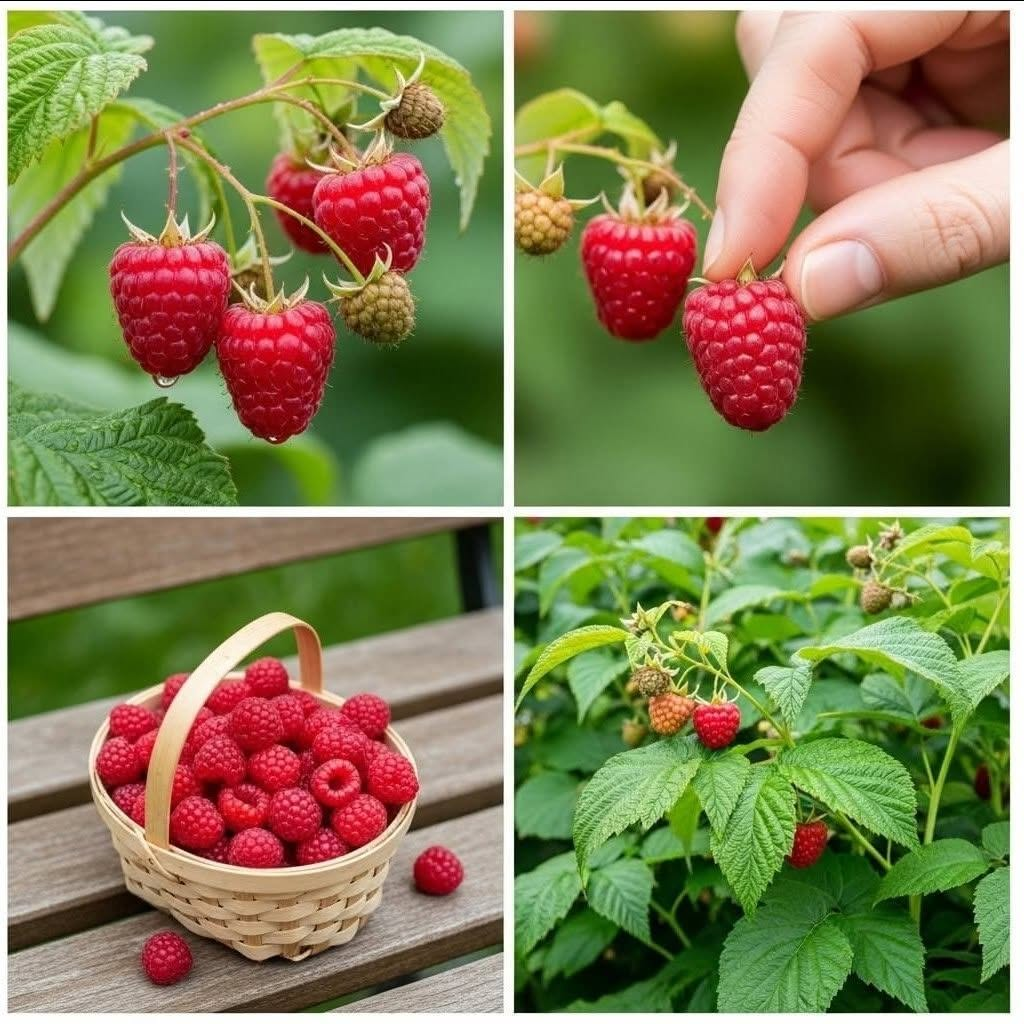
The berries in the supplied image are red, so they offer a clear visual example of changing color as fruit ripens. If you grow another variety, “wait until it turns red” may be the wrong instruction. Yellow raspberries will not become red, and dark varieties have their own ripe appearance.
Learn the expected color of your plant, then use the same gentle-release test. You may notice that some fully colored berries need another visit before they detach easily. That observation is more useful than trying to follow an exact color rule from a photograph of another cultivar.
Harvest timing varies as well. Some raspberry plants produce a summer crop, while others can fruit later in the season. Local climate and weather affect when your own patch is ready. Check the canes themselves instead of relying on a calendar date written for a different region. UMN Extension
Frequently Asked Questions
How do I know a raspberry is ready to pick?
Look for the ripe color typical of your variety, then try a very gentle pull. A ready berry should separate easily from its core on the plant. If it resists, leave it to ripen longer.
Can I pick raspberries after it rains?
You can inspect the patch after rain, but it is generally better to wait until the fruit is dry before harvesting when possible. Wet berries deteriorate faster in storage. Watch the canes closely during rainy periods so you can collect ripe fruit once conditions improve. OSU Extension Service
How often should I check my raspberry plants?
Check regularly throughout the harvest period. A general guide is every three to four days, with more frequent checks when warm or wet weather speeds changes in the fruit. Your particular plants and conditions may call for a different rhythm. OSU Extension Service
Should I wash raspberries as soon as I pick them?
Wash them before preparing or eating them, but leave them dry while they are in storage. Refrigerate freshly picked berries promptly, then rinse the portion you need under running water just before use. OSU Extension Service
Why is the middle of a picked raspberry hollow?
A ripe raspberry separates from its central core, which stays attached to the plant. The hollow center is normal and is one of the features that helps you recognize a properly picked berry.
What if my raspberries fall apart when I pick them?
They may be overripe, or you may be applying too much pressure. Try approaching the fruit with a lighter grip and transferring it straight into a shallow container. Use sound, very soft berries promptly in a sauce rather than storing them with firmer fruit.
Can I use the berries that are not perfectly shaped?
A berry does not need to look identical to its neighbors to be useful. If it is sound and suitable to eat, an unusual shape is less important in a smoothie or cooked sauce. Discard fruit that looks rotten or moldy, and handle all harvested berries with clean hands.
Final Thoughts
Once you know how to pick raspberries, the process becomes wonderfully simple: look for ripe color, test for an easy release, handle each berry lightly, and return for the fruit that needs another day. The mixed stages shown in the photo are normal. Leave the pale berries on the cane, and you may find them ready on your next visit.
Bring your harvest into the cool promptly, store it dry, and rinse it before eating. Whether you have enough for a small breakfast bowl or a basket full of berries for dessert, careful picking helps you make the most of what the plant has grown.