
Oregano Benefits: What Science Really Says About This Popular Herb
Oregano is one of those herbs that seems to have a permanent place in the kitchen. A small amount can transform tomato sauce, roasted vegetables, grilled meats, soups, marinades, and countless Mediterranean-inspired dishes.
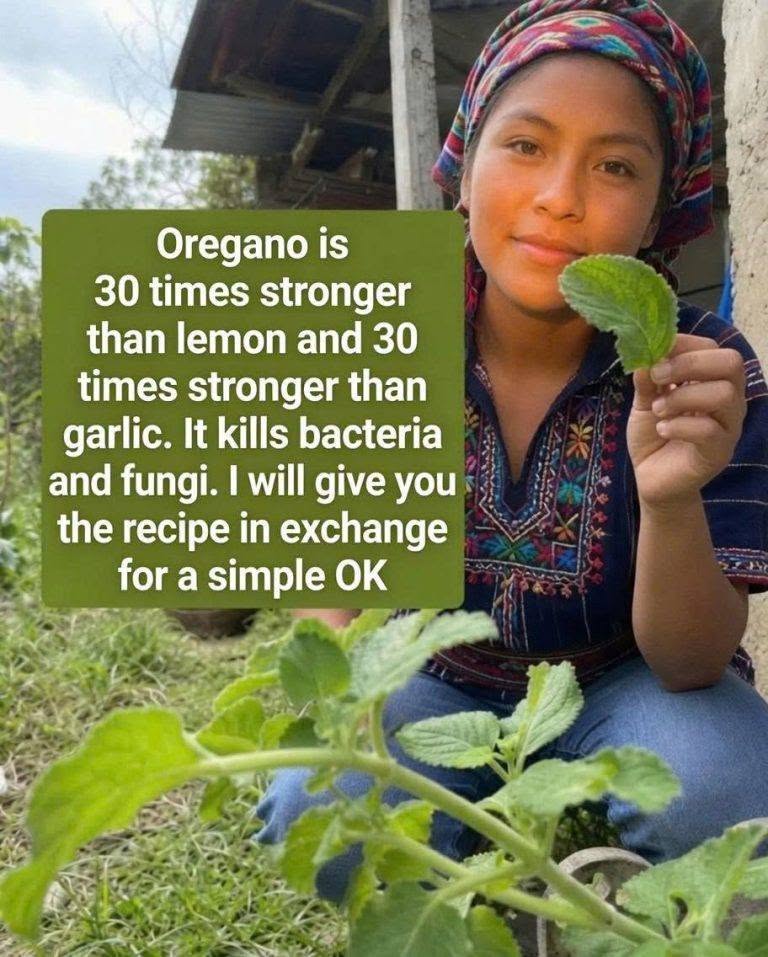
But oregano has also developed a reputation far beyond cooking. Social-media posts frequently describe it as a powerful natural remedy, sometimes claiming that oregano is “30 times stronger” than lemon or garlic, kills bacteria and fungi, or can replace conventional treatments.
Lemon Water and Blood Sugar: 7 Honest Facts
Those claims need a closer look.
There is interesting scientific research surrounding oregano. The herb contains naturally occurring compounds such as carvacrol, thymol, rosmarinic acid, and other plant chemicals that have been studied for antioxidant and antimicrobial activity. Laboratory research has produced intriguing findings, particularly involving oregano extracts and essential oil. PubMed
However, laboratory activity is not the same thing as proving that eating oregano or drinking an oregano preparation can treat an infection in a person.
That distinction is important.
So, what are the real oregano benefits? How can you use this flavorful herb in everyday cooking? What does the research actually show? And is oregano oil the same thing as the dried herb sitting in your spice cabinet?
Let’s separate the useful information from the exaggerated social-media claims.
What Is Oregano?
Oregano generally refers to herbs from the Origanum genus, particularly Origanum vulgare. It belongs to the mint family, Lamiaceae, which also includes herbs such as thyme, basil, rosemary, sage, and mint.
Oregano is strongly associated with Mediterranean cooking, although different oregano species and related herbs are used in cuisines around the world.
The leaves can be used:
- Fresh
- Dried
- As a seasoning blend
- In herbal preparations
- In extracts
- In essential oil
These forms are not interchangeable.
A pinch of dried oregano used to season dinner contains a very different concentration of plant compounds than an oregano essential oil or concentrated supplement.
That’s one reason why health claims about oregano need to specify which form of oregano is being discussed.
Why Oregano Has Such a Strong Flavor
If you’ve ever opened a jar of dried oregano, you’ve probably noticed its distinctive aroma.
Some of that characteristic flavor and aroma comes from volatile compounds found in the plant’s essential oil.
Two compounds that receive considerable scientific attention are:
- Carvacrol
- Thymol
Oregano also contains various phenolic acids, flavonoids, and other plant compounds.
The exact chemical composition isn’t always identical. It can vary according to the oregano species, growing conditions, geographic origin, harvesting conditions, and processing methods. Research reviews have documented substantial variation in the chemical composition of oregano essential oils. PubMed
That means one oregano oil product isn’t necessarily chemically identical to another.
Oregano Benefits: What We Actually Know
The phrase oregano benefits is often used online as if there were a long list of medically proven effects.
The reality is more nuanced.
Research suggests that oregano contains compounds with potentially interesting biological properties, particularly antioxidant and antimicrobial activity. But much of the strongest evidence comes from laboratory and experimental research rather than large clinical trials in humans. PubMed
That distinction should always be included when discussing herbs.
Here are some of the areas researchers have investigated.
1. Oregano Contains Antioxidant Compounds
Oregano contains a variety of plant compounds with antioxidant activity.
Antioxidants are substances that can help neutralize certain reactive molecules in biological systems. Many herbs, spices, fruits, vegetables, nuts, and other plant foods contain antioxidant compounds.
Research on oregano has identified phenolic compounds and other constituents associated with antioxidant activity. PubMed
That doesn’t mean oregano is a miracle antioxidant treatment.
It simply means that oregano contributes naturally occurring plant compounds to the diet.
One easy way to enjoy this potential benefit is to use herbs regularly as part of an overall varied diet.
2. Oregano Has Been Studied for Antimicrobial Activity
This is probably the area most responsible for oregano’s popularity in natural-remedy discussions.
Laboratory research has found antimicrobial activity associated with oregano extracts and essential oils.
Carvacrol and thymol are among the compounds frequently investigated because of their ability to affect microorganisms under laboratory conditions. Reviews have described antibacterial and antifungal activity in experimental models. PubMed
Some studies have tested oregano preparations against bacteria such as Escherichia coli, Staphylococcus aureus, and other microorganisms.
However, here’s the important part:
Laboratory antimicrobial activity does not prove that oregano can cure an infection in a person.
The amount needed, method of administration, absorption, safety, and biological effects can be completely different in a human body.
The National Library of Medicine’s LiverTox reference notes that oregano has demonstrated antimicrobial and antifungal activity in experimental settings, but these effects have not been established as treatments for disease in humans. CNBI
So it is reasonable to say that oregano has antimicrobial properties in laboratory research.
It is not reasonable to say that eating oregano will automatically kill an infection.
3. Oregano Is a Useful Way to Add Flavor Without Relying on Excess Salt
This is one of the simplest practical advantages of oregano.
Strong herbs and spices can make food taste more interesting without requiring large amounts of salt.
Oregano works particularly well with:
- Tomatoes
- Beans
- Lentils
- Chicken
- Fish
- Eggs
- Roasted vegetables
- Potatoes
- Pasta
- Pizza
- Soups
- Salads
- Homemade dressings
Instead of thinking of oregano as a medicine, consider it one of the many flavorful plant foods that can help make everyday meals more enjoyable.
4. Oregano Adds Plant Compounds to Everyday Meals
Herbs and spices are concentrated sources of numerous naturally occurring plant compounds.
Although you may use only a small amount of oregano at a time, regularly incorporating a variety of herbs and spices is an easy way to increase dietary variety.
Oregano isn’t nutritionally identical to vegetables or fruit, and it shouldn’t replace them.
Instead, it can complement a balanced diet.
Think of it as one small ingredient contributing to the overall nutritional pattern of your meals.
5. Oregano and Digestive Traditions
Oregano has a long history of traditional use in different cultures.
It has traditionally been used in preparations associated with digestive and respiratory complaints.
However, traditional use and clinical evidence aren’t the same thing.
The fact that people have used a plant for generations doesn’t automatically establish that a particular preparation treats a medical condition.
This is particularly important when someone is considering concentrated oregano oil or supplements rather than ordinary culinary quantities.
6. Oregano Contains Carvacrol and Thymol
If you’ve ever wondered why oregano receives so much attention in scientific research, carvacrol and thymol are part of the answer.
These naturally occurring compounds have been studied extensively.
Research suggests they can interact with microbial cell membranes and other biological targets in laboratory settings. Reviews of oregano research describe several proposed mechanisms behind its antimicrobial activity. PubMed
But the presence of a biologically active compound doesn’t automatically make the whole plant a medicine.
This is a common misunderstanding with herbs.
A plant can contain an interesting chemical without proving that consuming the plant in a particular way will produce the same effect in humans.
Is Oregano Really 30 Times Stronger Than Lemon and Garlic?
This is where the viral claim in the image needs to be corrected.
There is no simple scientific measurement that establishes oregano as “30 times stronger” than lemon and “30 times stronger” than garlic for health purposes.
Stronger at doing what?
Killing bacteria?
Providing antioxidants?
Supporting a particular biological process?
Reducing inflammation?
The answer depends on the specific compound, preparation, microorganism, concentration, experimental method, and outcome being measured.
Comparing an herb, lemon, and garlic with one universal “strength” number is therefore misleading.
Garlic itself has been extensively studied, and NCCIH notes that some garlic research has investigated potential health effects, while evidence varies depending on the specific claim and preparation. NCCIH
So rather than repeating the “30 times stronger” statement, it’s more accurate to say:
Oregano contains compounds with interesting antioxidant and antimicrobial activity, but there is no reliable basis for ranking it as 30 times stronger than lemon or garlic for overall health.