
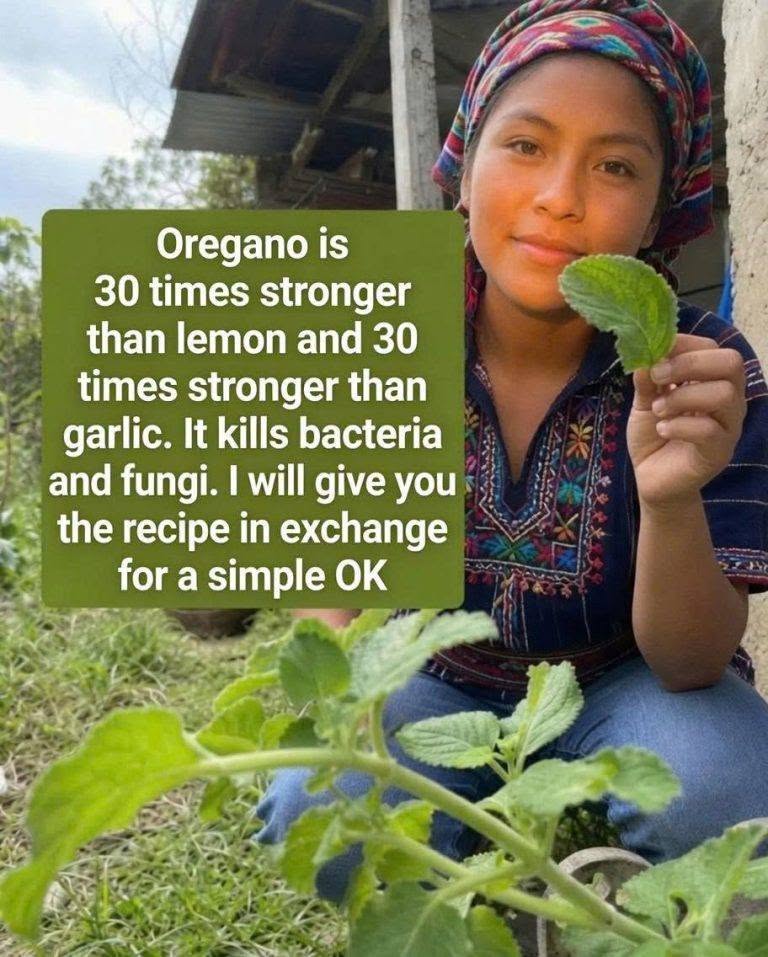
Does Oregano Kill Bacteria?
The answer depends on what you mean by “kill.”
In laboratory experiments, oregano extracts and essential oils can inhibit or damage certain microorganisms under specific conditions.
Research has demonstrated antimicrobial effects against multiple bacterial species. PubMed
But using oregano at home is not equivalent to applying a laboratory-tested concentration directly to bacteria.
For example, oregano essential oil is highly concentrated compared with culinary oregano.
You should not assume that drinking oregano tea, sprinkling oregano over food, or taking oregano oil will eliminate a bacterial infection.
If you have symptoms of an infection, seek appropriate medical evaluation instead of relying on oregano as a substitute for treatment.
Does Oregano Kill Fungi?
Oregano has also been investigated for antifungal activity.
Laboratory studies have reported activity against certain fungi, and oregano’s carvacrol and thymol content is one reason researchers continue to study it. PubMed
Again, the important distinction is between:
antifungal activity in experimental research
and
proven antifungal treatment in humans.
They are not the same.
If you suspect a fungal infection, especially one affecting the skin, nails, mouth, or another sensitive area, don’t assume oregano oil will safely treat it.
Oregano Leaves vs. Oregano Oil
This distinction deserves special attention.
Dried oregano
This is the ordinary culinary herb.
It is typically used in small quantities in food.
Fresh oregano
Fresh leaves contain water and have a different concentration and flavor profile from dried oregano.
Oregano essential oil
Essential oil is a highly concentrated product containing volatile plant compounds.
It should not be treated like a seasoning.
Oregano supplements
Capsules and extracts can contain concentrated amounts of oregano compounds, and formulations vary between products.
These different forms can have very different safety considerations.
NCCIH emphasizes that dietary supplements can differ from products used in research and that supplements may interact with medications or pose risks for certain people. NCCIH
Can You Cook With Oregano Every Day?
For most people, oregano used as a normal culinary herb is simply part of a varied diet.
You can add it to foods such as:
- Tomato sauce
- Roasted potatoes
- Chicken
- Fish
- Vegetable soup
- Greek-style salad
- Beans
- Lentils
- Homemade pizza
- Pasta dishes
- Marinades
- Salad dressings
Using oregano this way is very different from taking concentrated oregano oil.
The culinary herb is primarily a flavoring ingredient.
A Simple Oregano-Lemon Dressing
If you want an easy food-based way to enjoy oregano, try a simple salad dressing.
Ingredients
- 3 tablespoons extra-virgin olive oil
- 1 tablespoon fresh lemon juice
- 1 teaspoon dried oregano
- 1 small garlic clove, finely grated
- A small pinch of salt
- Black pepper to taste
Instructions
Add all the ingredients to a small bowl or jar.
Whisk or shake until combined.
Taste and adjust the lemon, oregano, or pepper according to your preference.
Drizzle over:
- Cucumber salad
- Tomato salad
- Green salad
- Roasted vegetables
- Grilled chicken
This is a culinary recipe, not a medical treatment.
If you’re looking for another simple vegetable-based side, you can naturally link here to your marinated cucumber salad article.
How to Use Dried Oregano in Cooking
Dried oregano is especially useful in dishes with bold flavors.
Try adding it to tomato-based sauces toward the beginning of cooking so its flavor has time to blend with the other ingredients.
For roasted vegetables, toss the vegetables with olive oil, oregano, black pepper, and your preferred seasonings before roasting.
For salads, mix oregano into the dressing rather than simply sprinkling a large amount over the top.
For grilled chicken, combine oregano with lemon, olive oil, garlic, and black pepper.
Small amounts can go a long way.
Fresh Oregano vs. Dried Oregano
Fresh and dried oregano have different characteristics.
Fresh oregano has a greener, more delicate aroma.
Dried oregano is more concentrated and earthy.
When substituting one for the other, remember that dried herbs are generally used in smaller quantities because their flavor is more concentrated.
The exact conversion depends on the recipe and the herb, so taste as you go.
Why Oregano Works So Well With Lemon
Oregano and lemon are a classic combination.
The bright acidity of lemon balances oregano’s earthy, slightly peppery flavor.
This combination works especially well with:
- Chicken
- Fish
- Potatoes
- Cucumbers
- Tomatoes
- Beans
- Grilled vegetables
But the fact that both ingredients contain potentially interesting plant compounds doesn’t mean combining them creates a special medical remedy.
It’s simply a delicious culinary pairing.
Why Oregano and Garlic Are Often Used Together
Garlic and oregano are another classic combination.
Together, they create a strong savory flavor that works particularly well in Mediterranean-inspired dishes.
Garlic also contains its own bioactive compounds, and it has been extensively studied. NCCIH notes that garlic research has examined several potential health effects, but evidence differs depending on the preparation and claim. NCCIH
So there’s nothing wrong with enjoying oregano and garlic together.
Just don’t assume that combining them creates an infection-fighting medicine.
Can Oregano Replace Antibiotics?
No.
This is one of the most important points.
Even though oregano extracts can show antimicrobial activity in laboratory research, that does not mean oregano can replace antibiotics prescribed for a bacterial infection.
Antibiotics are selected according to the type of infection, the suspected or confirmed organism, resistance patterns, patient factors, and other clinical considerations.
Stopping or avoiding prescribed treatment in favor of an unproven herbal remedy can be dangerous.
Oregano can be part of your food.
It should not be presented as a replacement for appropriate medical care.
Can Oregano Prevent Infections?
There isn’t enough evidence to say that eating oregano prevents infections.
A healthy diet can support general health, but no single herb should be presented as an infection-prevention guarantee.
If you’re trying to reduce your risk of infection, proven measures such as appropriate vaccination, hand hygiene, safe food handling, adequate sleep, and appropriate medical care are much more meaningful.
Is Oregano an Immune Booster?
This phrase is frequently used in wellness content, but it can be misleading.
The immune system is extremely complex.
Eating a balanced diet that provides sufficient nutrients is important for normal immune function, but that doesn’t mean a particular herb can “boost immunity” in a guaranteed way.
It’s better to say that oregano contributes plant compounds to the diet rather than claiming it dramatically strengthens the immune system.
NCCIH advises consumers to be cautious about broad health claims made for dietary supplements because evidence can be limited or inconsistent. NCCIH
What About Oregano Tea?
Oregano tea is a traditional preparation made by steeping oregano in hot water.
People may enjoy it because of its flavor and aroma.
However, it should not be presented as a proven treatment for bacterial infections, fungal infections, flu, or other medical conditions.
If you enjoy oregano tea, think of it as a beverage rather than a replacement for medical treatment.
Oregano Oil Requires More Caution
Oregano essential oil is significantly more concentrated than dried oregano.
That means “natural” does not automatically mean harmless.
Concentrated herbal products can cause unwanted effects and may interact with medications or be unsuitable for certain people.
The National Center for Complementary and Integrative Health specifically warns that herbal supplements can interact with medications and that safety evidence varies widely among products. NCCIH
Do not assume that because oregano is safe as a seasoning, concentrated oregano oil is automatically safe at any dose.
Can Oregano Cause Side Effects?
Culinary amounts are generally very different from concentrated supplemental doses.
Higher amounts of oregano oil or concentrated products may cause digestive discomfort or other adverse effects.
The National Library of Medicine’s LiverTox reference lists possible side effects associated with higher-dose oregano preparations, including abdominal discomfort, heartburn, constipation or diarrhea, nausea, vomiting, dizziness, and headache. CNBI
Allergic reactions are also possible.
If you develop a reaction after using an oregano product, stop using it and seek appropriate medical advice.
Oregano During Pregnancy
This is another situation where people should distinguish culinary use from concentrated supplements.
Using oregano as a normal culinary seasoning is not the same as taking medicinal quantities or concentrated oregano products.
Because herbal supplements may not have been adequately studied in pregnancy, caution is appropriate. NCCIH notes that many dietary supplements have not been adequately tested in pregnant women. NCCIH
If you’re pregnant or trying to become pregnant and considering concentrated oregano supplements or essential oil, speak with your healthcare professional first.
Oregano While Breastfeeding
The same distinction applies during breastfeeding.
Oregano as a normal food seasoning is different from concentrated oregano oil or supplements.
The LactMed database notes that oregano contains compounds including carvacrol and thymol and that there is insufficient clinical evidence to establish the safety or effectiveness of oregano oil for certain medicinal uses during lactation. CNBI
If you’re breastfeeding and considering a concentrated herbal product, discuss it with a healthcare professional rather than assuming that a natural product is automatically safe.
Can Children Take Oregano Oil?
Children shouldn’t be given concentrated herbal products casually.
The appropriate amount, formulation, route of administration, and potential interactions can differ substantially by age and health status.
NCCIH notes that many dietary supplements have not been adequately studied in children. NCCIH
For children, using oregano as a normal food seasoning is a very different situation from giving oregano oil or concentrated extracts.
How to Choose Good Oregano
If you’re buying oregano for cooking, look for a product with a clean aroma and a reasonable freshness date.
For dried oregano:
- Choose a reputable brand.
- Check the packaging.
- Store it away from heat and direct sunlight.
- Keep the container tightly closed.
- Replace very old herbs when the aroma becomes weak.
If the oregano barely smells when you rub a small amount between your fingers, it may have lost much of its flavor.
How to Store Dried Oregano
Keep dried oregano:
- In an airtight container
- Away from direct sunlight
- Away from steam
- Away from the stove
- In a cool, dry cupboard
Humidity can cause dried herbs to deteriorate.
Avoid storing your spice jars directly above a steaming cooking surface.
How to Store Fresh Oregano
Fresh oregano can be treated similarly to other fresh herbs.
Keep it refrigerated and use it while it still looks and smells fresh.
Remove leaves that become slimy, moldy, or visibly spoiled.
Don’t try to rescue herbs that have obvious mold growth.
What Science Does Not Prove Yet
The biggest problem with many viral oregano posts is that they jump from laboratory observations to dramatic medical conclusions.
Research does show:
- Oregano contains bioactive compounds.
- Carvacrol and thymol have been extensively studied.
- Oregano extracts can show antimicrobial activity in laboratory experiments.
- Oregano contains compounds with antioxidant activity.
- Researchers continue to investigate oregano’s biological properties. PubMed
But that does not automatically prove that oregano:
- Cures infections
- Replaces antibiotics
- Eliminates fungal infections in humans
- Prevents every illness
- Detoxifies the body
- Treats cancer
- Guarantees immune protection
- Works “30 times better” than another food
Those claims go beyond the available evidence.
Why “Natural” Doesn’t Always Mean Safe
The word “natural” is often used as if it means gentle or risk-free.
That’s not how biology works.
Plants can contain powerful chemicals.
Some can interact with medications.
Some can irritate the skin or digestive system.
Some can be unsafe at concentrated doses.
NCCIH specifically emphasizes that natural products can have risks and that people should consider possible side effects and interactions before using herbal products. NCCIH
This is particularly relevant to essential oils.
Oregano as Food vs. Oregano as Medicine
This simple distinction can make the entire topic easier to understand.
Oregano as food
Use it to add flavor to meals.
Oregano as a concentrated supplement
Treat it as a product that may have pharmacological effects and potential risks.
Oregano essential oil
Treat it as a highly concentrated product, not as an ordinary seasoning.
The same plant can have very different considerations depending on how concentrated it is and how it is used.