
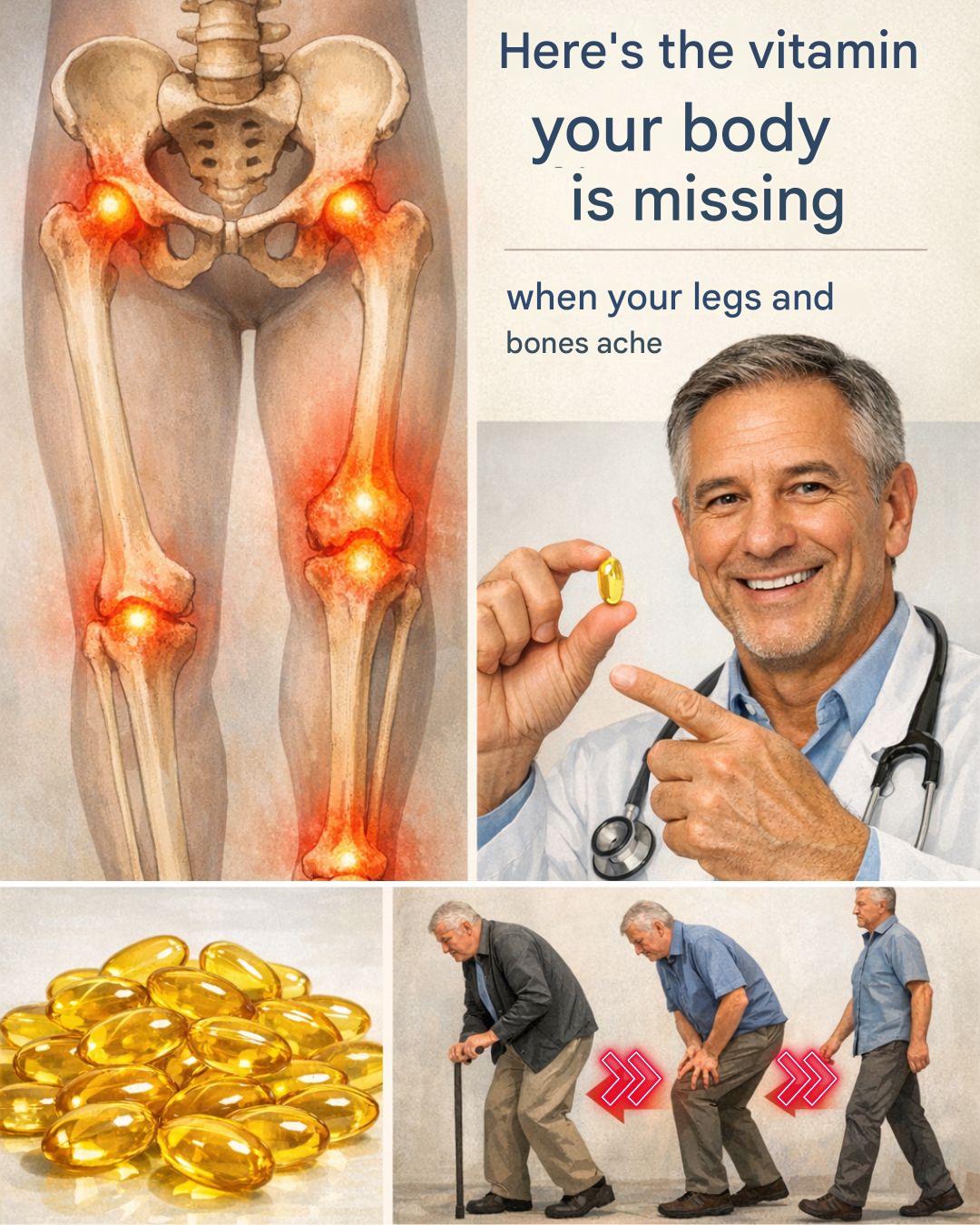
Vitamin D Deficiency and Bone Pain: 7 Key Facts
Medical disclaimer: This article provides general educational information and does not diagnose or treat any condition. Persistent, severe, or unexplained pain should be assessed by a qualified healthcare professional.
Leg or bone pain can sometimes be connected to low vitamin D, but pain alone cannot prove that your body is missing this vitamin. Many medical conditions can produce similar symptoms, including arthritis, muscle strain, nerve problems, osteoporosis, circulation disorders, medication side effects, and injuries.
Vitamin D helps the body absorb calcium and maintain healthy bones and muscles. Severe or prolonged deficiency may weaken bones, contribute to muscle weakness, and cause a condition called osteomalacia in adults. However, some people with low vitamin D experience no obvious symptoms.
Eggshell Powder Benefits and How It Is Used
The only reliable way to determine whether a person has a deficiency is through an appropriate medical assessment and, when indicated, a blood test. Taking high-dose supplements without confirming the cause of the pain can be ineffective and potentially harmful.
Is Vitamin D the Missing Vitamin When Your Bones Ache?
Possibly—but not necessarily.
Vitamin D Deficiency and Bone Pain can occur together, especially when deficiency is severe enough to interfere with normal bone mineralisation. Adults with severe deficiency may develop osteomalacia, a condition in which the bones become softer and weaker.
According to MedlinePlus, severe vitamin D deficiency in adults can lead to osteomalacia, which may cause weak bones, bone pain, and muscle weakness.
However, the symptoms are not specific to vitamin D deficiency. A person can have painful knees because of osteoarthritis, aching legs from muscle overuse, hip pain from bursitis, or pain travelling down the leg because of nerve compression.
Therefore, the statement “your bones hurt because your body is missing vitamin D” is too certain. A more accurate statement is:
Vitamin D deficiency is one possible cause of bone pain and muscle weakness, but a healthcare professional must consider other causes and may recommend testing.
What Does Vitamin D Do?
Vitamin D is a fat-soluble vitamin that supports several important functions.
It Helps the Body Absorb Calcium
Calcium is essential for maintaining bone structure. Vitamin D helps the digestive system absorb calcium from food.
Without adequate vitamin D, the body may struggle to maintain normal calcium and phosphate levels. In severe deficiency, this can affect the mineralisation and strength of the bones.
It Supports Muscle Function
Vitamin D is involved in normal muscle function. Severe deficiency may contribute to muscle weakness, particularly in the muscles around the hips and thighs.
A person may notice difficulty climbing stairs, rising from a chair, or walking for long periods. These symptoms also occur with many other conditions, so they require proper evaluation.
It Contributes to Bone Maintenance
Vitamin D does not work alone. Bone health also depends on calcium, protein, physical activity, hormones, genetics, and overall health.
Simply taking a vitamin D capsule cannot compensate for every cause of weak bones or joint pain.