
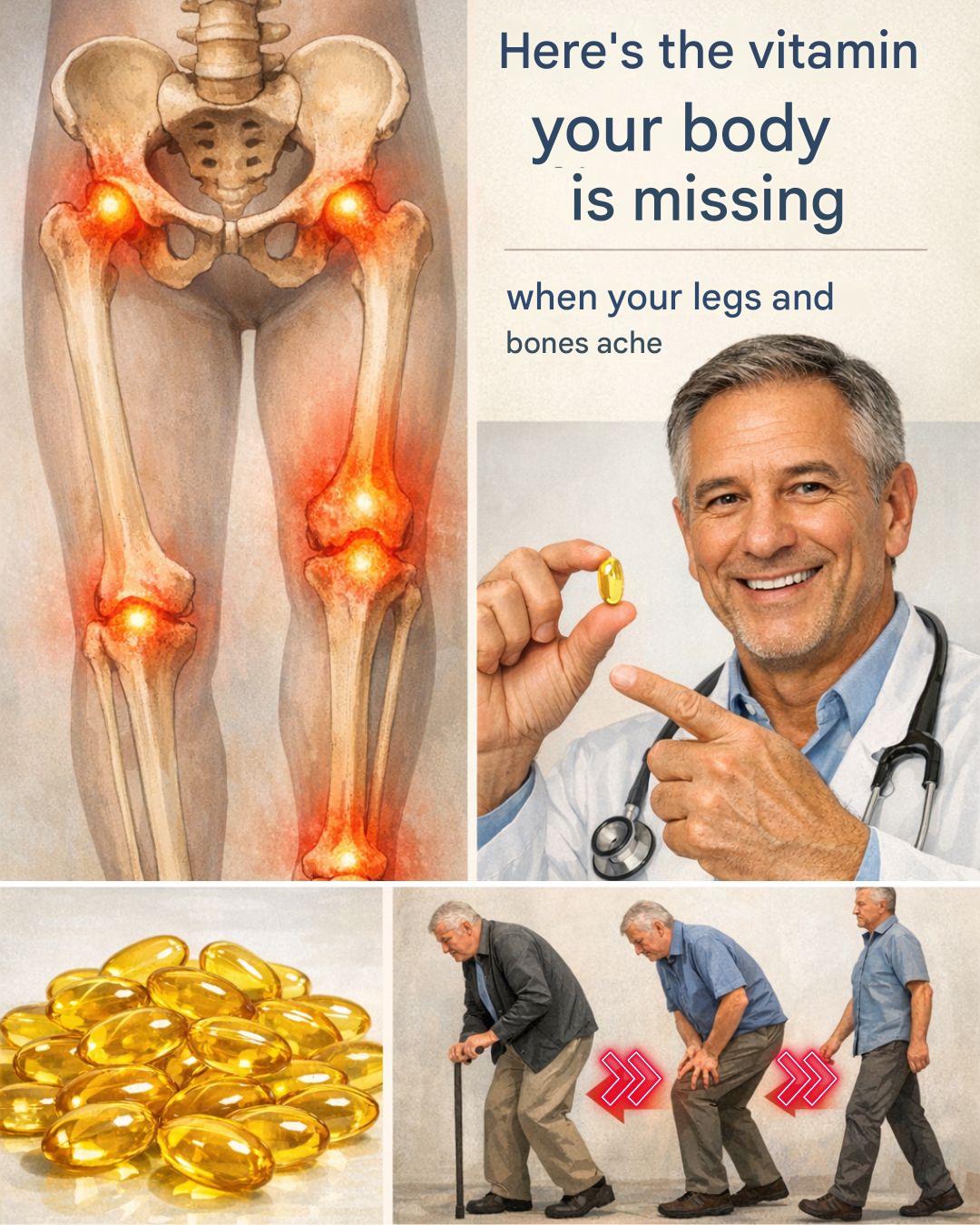
How Does Vitamin D-Related Pain Feel?
There is no single sensation that confirms Vitamin D Deficiency and Bone Pain.
Some people with severe deficiency describe:
- A deep ache in the legs or pelvis
- Lower-back discomfort
- Generalised muscle aches
- Tenderness when pressure is applied to certain bones
- Weakness in the upper legs
- Tiredness when walking
- Difficulty getting out of a chair
- A change in walking pattern
These symptoms overlap with many other conditions. Pain focused in one swollen joint, pain following an injury, or electric pain travelling down one leg may point toward a different explanation.
When Should You Seek Medical Care?
Make an appointment if pain:
- Lasts for more than a few weeks
- Keeps returning
- Interferes with walking or sleep
- Is associated with weakness
- Has no clear explanation
- Occurs after a minor injury
- Is accompanied by repeated fractures
- Becomes progressively worse
Seek urgent medical attention if you have:
- Sudden severe pain
- Inability to stand or bear weight
- A visibly deformed limb
- A hot, red, swollen joint with fever
- New numbness or significant weakness
- Loss of bladder or bowel control
- Severe back pain following a fall
- Chest pain, breathlessness, or one-sided leg swelling
- Unexplained pain with significant weight loss or night sweats
These symptoms should not be treated with supplements at home.
How Vitamin D Deficiency Is Diagnosed
A healthcare professional may begin by asking:
- Where is the pain?
- When did it start?
- Is it constant or related to movement?
- Are the joints swollen or stiff?
- Is there muscle weakness?
- Have there been falls or fractures?
- What medications are being taken?
- Are there digestive, kidney, or liver conditions?
- How much time is spent outdoors?
- What does the usual diet include?
The assessment may involve a physical examination and blood tests. Depending on the situation, the clinician might evaluate vitamin D, calcium, phosphate, kidney function, parathyroid hormone, or other markers.
Imaging or bone-density testing may be appropriate if a fracture, osteoporosis, arthritis, or another structural problem is suspected.

How Confirmed Vitamin D Deficiency Is Treated
Treatment should address both the deficiency and its underlying cause.
Vitamin D Supplements
A healthcare professional may recommend vitamin D3 or another appropriate preparation. The dosage depends on the test result and individual circumstances.
A person with a mild deficiency may receive a different plan from someone with osteomalacia or a condition affecting absorption.
Dietary Sources
Foods that may provide vitamin D include:
- Oily fish such as salmon, sardines, trout, or mackerel
- Egg yolks
- Some mushrooms
- Fortified milk or plant-based alternatives
- Fortified breakfast cereals
- Other fortified foods, depending on the country
Check food labels because fortification practices vary.
Adequate Calcium and Protein
Vitamin D works with calcium to support bones. Protein also contributes to muscle and bone maintenance.
Do not begin a calcium supplement automatically. Some people can meet their needs through food, while others have health conditions that require guidance about supplemental calcium.
Appropriate Physical Activity
Weight-bearing and resistance exercises can support bones and muscles when medically appropriate. Walking, stair climbing, and strength training may be helpful, but exercise should be adapted for people with pain, weakness, balance problems, or fractures.
Treating the Underlying Condition
If deficiency results from malabsorption, kidney disease, liver disease, medication, or another condition, supplementation alone may not be enough. The underlying problem also requires management.
Can Food Alone Correct a Deficiency?
Diet can contribute to healthy vitamin D intake, but relatively few foods contain substantial amounts naturally.
Whether food alone is enough depends on the severity of the deficiency, the person’s absorption, diet, and medical circumstances. A confirmed deficiency may require supplementation under clinical guidance.
Avoid assuming that one “superfood” can rapidly rebuild weak bones. Bone health depends on several nutrients, hormones, movement, and medical factors.
Should Everyone Take Vitamin D?
Not necessarily. Requirements and public-health recommendations vary by age, lifestyle, health status, and country.
Some people may benefit from a routine supplement, particularly during periods of limited sunlight, while others may need a medically supervised dose. A person with kidney disease, high calcium, certain granulomatous diseases, or medication interactions should obtain advice before supplementing.
The NHS notes that most people should obtain their nutrients from a varied and balanced diet, although some individuals may require additional supplements.
Common Mistakes to Avoid
Diagnosing Deficiency from Pain Alone
Bone or leg pain is not a vitamin D test. Do not assume a deficiency without considering other causes.
Taking Very High Doses Without Supervision
Large doses can cause toxicity. More is not automatically more effective.
Expecting Immediate Relief
Correcting a deficiency takes time, and pain may have more than one cause.
Ignoring Persistent Joint Swelling
A swollen, hot, or stiff joint may need assessment for arthritis, infection, gout, or injury.
Replacing Medical Care with Social-Media Advice
An online image cannot evaluate your medical history, perform an examination, or interpret blood tests.
Believing a Supplement Repairs Every Bone Problem
Vitamin D cannot reverse all arthritis, nerve compression, fractures, or circulation disorders.
Frequently Asked Questions
Can Vitamin D Deficiency Cause Leg Pain?
Severe deficiency can contribute to bone pain and muscle weakness, which may affect the legs. However, leg pain has many possible causes, so it should not be attributed to vitamin D without evaluation.
Can Vitamin D Deficiency Cause Knee Pain?
It may contribute to general bone or muscle discomfort, but pain isolated to the knee can also result from osteoarthritis, tendon problems, injury, gout, or other conditions.
How Do I Know Whether I Am Deficient?
A healthcare professional may recommend a 25-hydroxyvitamin D blood test based on symptoms and risk factors.
Will Vitamin D Stop My Pain?
It may help when deficiency is genuinely contributing to the symptoms. It is unlikely to resolve pain caused by an unrelated condition.
Is Vitamin D the Same as Calcium?
No. Vitamin D is a vitamin that helps the body absorb calcium. Calcium is a mineral used in bones, teeth, muscles, nerves, and other functions.
Which Form of Vitamin D Is Best?
Vitamin D3 is commonly used, but the appropriate product and dose depend on individual circumstances. Ask a healthcare professional or pharmacist.
Can Too Much Vitamin D Be Harmful?
Yes. Excessive supplementation can cause high blood calcium and damage the kidneys, bones, and other tissues.
How Quickly Does Treatment Work?
Blood levels may improve over weeks or months. Recovery from severe deficiency or osteomalacia may take longer. The timeline depends on the cause, severity, treatment, and individual response.
Should I Get More Sun?
Sunlight helps the skin produce vitamin D, but excessive ultraviolet exposure increases skin-damage and cancer risk. Do not deliberately burn or abandon sun protection as a deficiency treatment.
Final Thoughts
Vitamin D Deficiency and Bone Pain can be connected, particularly when a severe deficiency causes osteomalacia. Nevertheless, aching legs, painful hips, or sore knees do not automatically indicate that vitamin D is the missing solution.
Persistent pain deserves a proper assessment. A clinician can determine whether testing is appropriate, investigate other possible causes, and recommend a safe dose if deficiency is confirmed.
The most responsible message is simple: do not diagnose yourself from a social-media image, and do not take high-dose supplements without guidance. Accurate diagnosis is the first step toward effective treatment.