
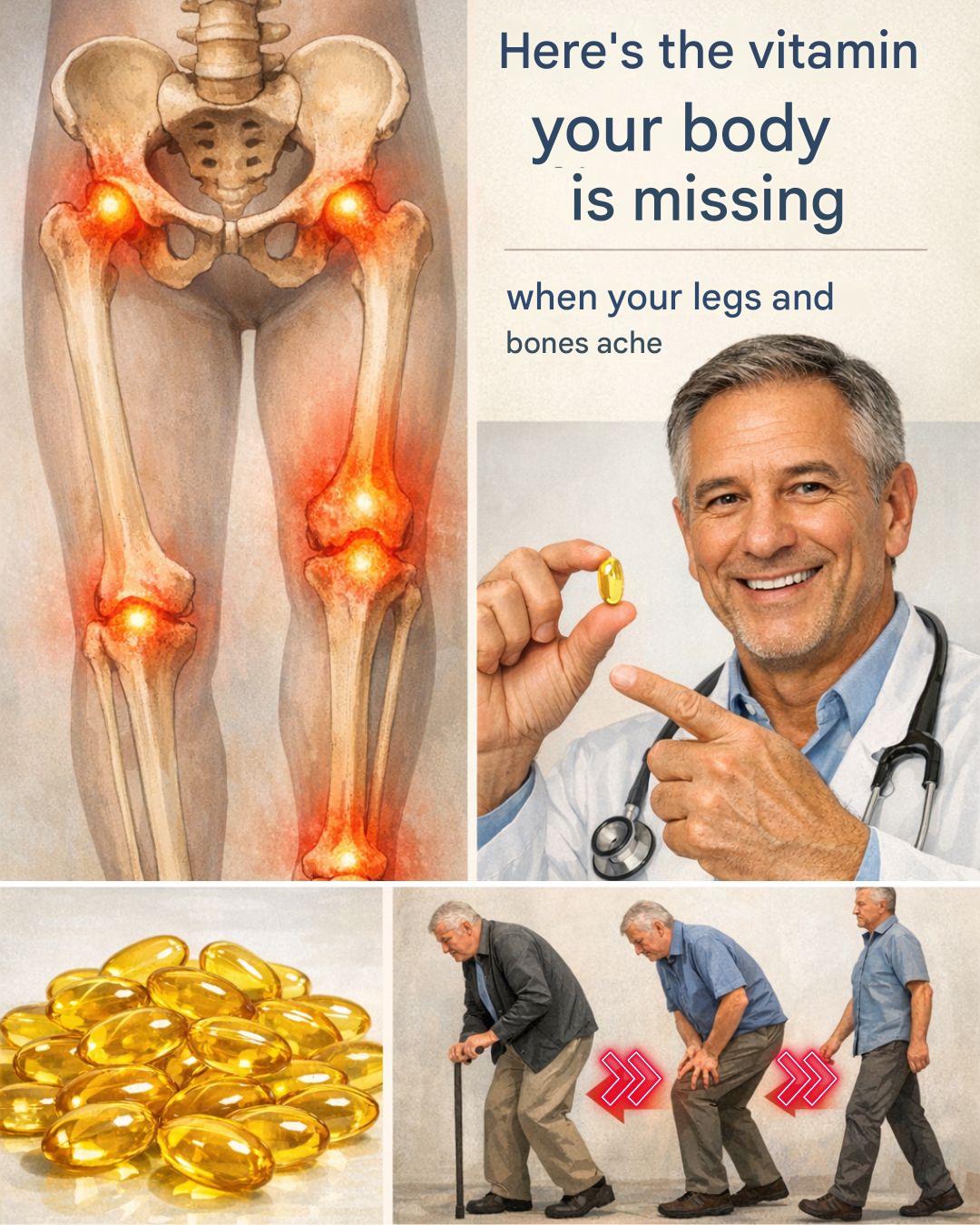
Seven Important Facts About Vitamin D Deficiency and Bone Pain
1. Bone Pain Is Not the Same as Joint Pain
People frequently use the terms bone pain, joint pain, and muscle pain interchangeably, but they describe different sensations.
Bone pain may feel deep, diffuse, or tender and can sometimes occur in the back, pelvis, ribs, hips, or legs.
Joint pain is centred where two bones meet, such as the knees, hips, ankles, or shoulders. It may be accompanied by stiffness, swelling, warmth, or reduced movement.
Muscle pain often develops after physical activity, overuse, prolonged sitting, injury, illness, or medication use.
Identifying the location and character of the pain helps a healthcare professional determine which causes are most likely.
2. Severe Vitamin D Deficiency Can Cause Osteomalacia
Osteomalacia is a softening of adult bones, commonly associated with a problem affecting vitamin D or the way the body uses it.
Possible symptoms include:
- Bone pain or tenderness
- Muscle aches
- Weakness around the hips and thighs
- Difficulty climbing stairs
- Difficulty rising from a chair
- Changes in walking
- Increased risk of fractures
The NHS guide to rickets and osteomalacia lists pain in the back, shoulders, ribs, pelvis, or legs, along with muscle weakness and difficulty walking, among the possible symptoms.
3. Some People Have No Clear Symptoms
A person may have a low vitamin D level without experiencing obvious bone pain or weakness. Conversely, someone with severe aches may have a normal vitamin D level.
This is why symptoms alone cannot confirm a deficiency. Medical history, risk factors, physical examination, and laboratory findings need to be considered together.
4. Vitamin D Deficiency Is Only One Possible Cause
Leg and bone pain can have numerous causes. Depending on the location and symptoms, possibilities may include:
- Osteoarthritis
- Rheumatoid arthritis
- Osteoporosis or a fracture
- Muscle strain
- Tendon or ligament injury
- Sciatica or another nerve condition
- Hip bursitis
- Fibromyalgia
- Poor circulation
- Infection
- Gout
- Thyroid or parathyroid disorders
- Kidney disease
- Medication side effects
- Less commonly, a bone tumour or another serious disease
Do not assume that a supplement will resolve unexplained pain. Treating the wrong problem can delay an accurate diagnosis.
5. A Blood Test Can Help Confirm Deficiency
The main test used to evaluate vitamin D status measures 25-hydroxyvitamin D, sometimes written as 25(OH)D.
MedlinePlus explains that the 25-hydroxy vitamin D test is used to measure how much vitamin D is in the body.
A healthcare professional may consider testing when a person has:
- Unexplained bone pain
- Muscle weakness or persistent aches
- Fragility fractures
- Osteomalacia
- Low bone density
- Conditions that reduce nutrient absorption
- Previous weight-loss surgery
- Chronic kidney or liver disease
- Certain medications that affect vitamin D metabolism
- Very limited sun exposure
- Other significant risk factors
Routine testing is not necessary for every healthy person. The decision should be based on symptoms, medical history, and clinical guidance.
6. More Vitamin D Is Not Always Better
Vitamin D is stored in the body. Excessive supplemental amounts can cause toxicity and raise blood calcium levels.
Possible consequences of excess vitamin D include:
- Nausea or vomiting
- Weakness
- Confusion
- Excessive thirst
- Frequent urination
- Kidney stones
- Kidney damage
- Abnormal heart rhythm in severe cases
Do not take repeated high-dose vitamin D supplements simply because your legs hurt. Treatment doses used for confirmed deficiency should be selected and monitored by a healthcare professional.
7. Correcting a Deficiency May Take Time
When testing confirms vitamin D deficiency, a clinician may recommend an appropriate supplement plan. The dose and duration depend on the level of deficiency, age, medical conditions, diet, and other factors.
Pain caused by osteomalacia does not necessarily disappear immediately. Bone and muscle recovery can take time, and follow-up testing may be required.
If symptoms remain despite correcting the deficiency, the healthcare professional may investigate additional causes.
Who Is More Likely to Develop Vitamin D Deficiency?
Certain circumstances may increase the likelihood of low vitamin D.
Limited Sun Exposure
People who spend little time outdoors, cover most of their skin, live in areas with limited seasonal sunlight, or remain indoors because of illness may produce less vitamin D through the skin.
Sun exposure must be balanced against the risk of skin damage and skin cancer. Deliberate unprotected sunbathing is not a safe treatment plan.
Darker Skin
Melanin reduces the skin’s production of vitamin D in response to sunlight. People with darker skin may therefore have a greater risk of low vitamin D in places or lifestyles with limited sun exposure.
This does not mean everyone with darker skin requires high-dose supplements. Individual assessment remains important.
Older Age
The skin’s ability to produce vitamin D may decrease with age. Older adults may also spend less time outside, eat less, or have medical conditions affecting absorption.
Digestive Conditions
Conditions such as coeliac disease, Crohn’s disease, and other disorders that interfere with fat absorption may reduce vitamin D absorption because vitamin D is fat-soluble.
Weight-Loss Surgery
Some bariatric procedures alter the digestive system and can make it more difficult to absorb vitamin D and other nutrients.
Kidney or Liver Disease
The liver and kidneys help convert vitamin D into forms the body can use. Disease affecting these organs can interfere with vitamin D metabolism.
Certain Medications
Some medicines may affect vitamin D levels or bone health. Patients should not stop prescribed medication without professional guidance but can ask whether monitoring is appropriate.