
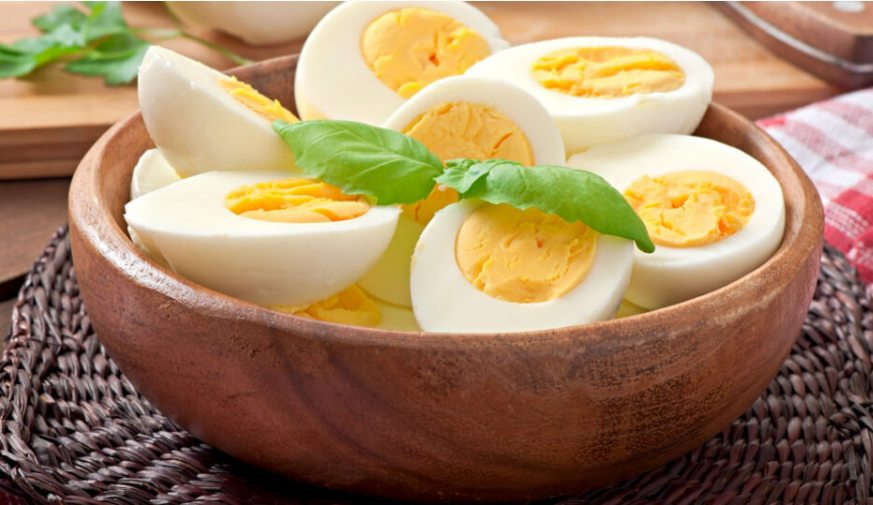
Seven Tips for Perfect Hard Boiled Eggs
1. Avoid using your freshest eggs
Very fresh eggs can be harder to peel because the inner membrane holds more firmly to the white. Eggs that have been in the refrigerator for several days generally peel more cleanly.
You do not need old or expired eggs—just avoid choosing the newest carton specifically for boiling.
2. Keep the eggs in one layer
A single layer allows the water to circulate evenly and helps all the eggs cook at approximately the same rate.
3. Do not skip the timer
A difference of only two or three minutes can noticeably affect the centre of a cooked egg. Set a timer rather than estimating the resting time.
4. Prepare the ice bath early
The ice bath should be ready before the eggs finish cooking. Waiting several minutes to prepare it gives residual heat time to continue cooking the yolks.
5. Cool the eggs thoroughly
Warm eggs are more delicate and can be difficult to peel neatly. Cooling them for at least five minutes firms the whites and makes handling easier.
6. Start peeling at the wide end
The air pocket at the wider end creates a useful opening between the shell and the egg white. This is usually the easiest place to begin.
7. Peel beneath cool running water
A small amount of water beneath the membrane can make a dramatic difference when a shell is sticking.
How to Prevent the Green Ring Around the Yolk
A grey or greenish ring around a cooked egg yolk is generally associated with overcooking or slow cooling. It is not usually a sign that the egg is spoiled, but it can make the egg less visually appealing and may contribute to a drier texture.
To prevent it:
- Remove the pan from direct heat as soon as the water boils.
- Do not leave the eggs in the hot water longer than necessary.
- Transfer them promptly to an ice bath.
- Let them cool completely before storing.
The colour change results from a reaction between iron in the yolk and sulfur from the white. Careful temperature control minimizes that reaction.
Common Mistakes to Avoid
Boiling the eggs aggressively for the entire cooking time
A prolonged rolling boil can produce rubbery whites, dry yolks, and cracked shells. This method uses the residual heat of the water to cook the eggs more gently.
Forgetting to cover the saucepan
The lid helps retain enough heat to finish cooking the eggs after the saucepan is removed from the burner.
Using too little water
The eggs should be completely submerged. If part of an egg remains above the water, it may cook unevenly.
Skipping the ice bath
Letting eggs cool naturally allows them to continue cooking. An ice bath provides a faster, more controlled stop.
Cracking the eggs before they have cooled
The egg whites are more fragile while warm. Let the eggs cool before peeling to reduce gouges and broken pieces.
Assuming every stove behaves identically
The size of the saucepan, strength of the burner, quantity of water, and size of the eggs can affect the results. If the first batch is slightly softer or firmer than desired, adjust the covered resting time by one minute.
Egg Safety and Proper Handling
Eggs are perishable and should be handled carefully. The FDA recommends cooking eggs until both the whites and yolks are firm. Its egg-safety guidance also advises that cooked eggs should not remain outside the refrigerator for more than two hours—or more than one hour when the temperature is above 90°F or 32°C.
Wash your hands, utensils, counters, and dishes after they come into contact with raw eggs. Discard any egg that was badly cracked before cooking, particularly when you do not know when or how the damage occurred.
People who are pregnant, older, very young, or immunocompromised should be particularly careful with raw or undercooked eggs. For this fully cooked recipe, the yolks and whites should both be firm.
Easy Variations
Paprika eggs
Sprinkle peeled egg halves with salt, black pepper, and either sweet or smoked paprika.
Everything-seasoned eggs
Top each half with a small pinch of everything bagel seasoning for added crunch and savoury flavour.
Mustard and chive eggs
Spread a thin layer of Dijon mustard over each egg half, then finish with chopped fresh chives.
Spicy eggs
Add red pepper flakes, cayenne pepper, or a few drops of hot sauce.
Herb-topped eggs
Fresh parsley, dill, basil, or chives add colour and a clean herbal flavour.
Avocado egg toast
Mash one peeled egg with avocado, lemon juice, salt, and pepper. Spoon the mixture over toasted bread for a quick breakfast or lunch.
Serving Suggestions
Perfect Hard Boiled Eggs are versatile enough to fit into almost any meal.
For breakfast, serve them with whole-grain toast, sliced avocado, tomatoes, and fresh fruit. They also pair well with oatmeal or a breakfast salad when you want something more substantial.
For lunch, slice them over leafy greens, Cobb salad, potato salad, lentil salad, or a grain bowl. You can also mash them with mayonnaise, mustard, salt, and pepper for a quick egg salad sandwich.
For snacks, keep the eggs whole and peel them immediately before eating. A little salt and paprika are often all they need.
For entertaining, transform them into deviled eggs or arrange the halves on a serving board with cheese, raw vegetables, crackers, and dips.
If you have related content on your website, naturally link the phrase classic egg salad recipe to your egg-salad article and easy deviled eggs to your deviled-egg recipe. A link from high-protein breakfast ideas can also support a breakfast content cluster.
Storage Instructions
Allow the cooked eggs to cool before refrigerating them, but do not leave them at room temperature for an extended period.
Store unpeeled eggs in their original carton or in a covered refrigerator container. Keeping the shells intact protects the whites from drying out and absorbing surrounding refrigerator odours.
Peeled eggs should be placed in a tightly covered container. You can add a lightly dampened paper towel to help prevent their surfaces from drying, replacing it if it becomes excessively wet.
The USDA recommends refrigerating hard-cooked eggs within two hours and using them within one week.
Label your container with the cooking date if you prepare eggs regularly. This removes the guesswork later in the week.