Exploring the Juicy Steak: A Comprehensive Look at a Culinary Treat
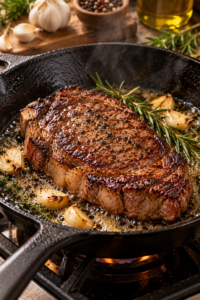
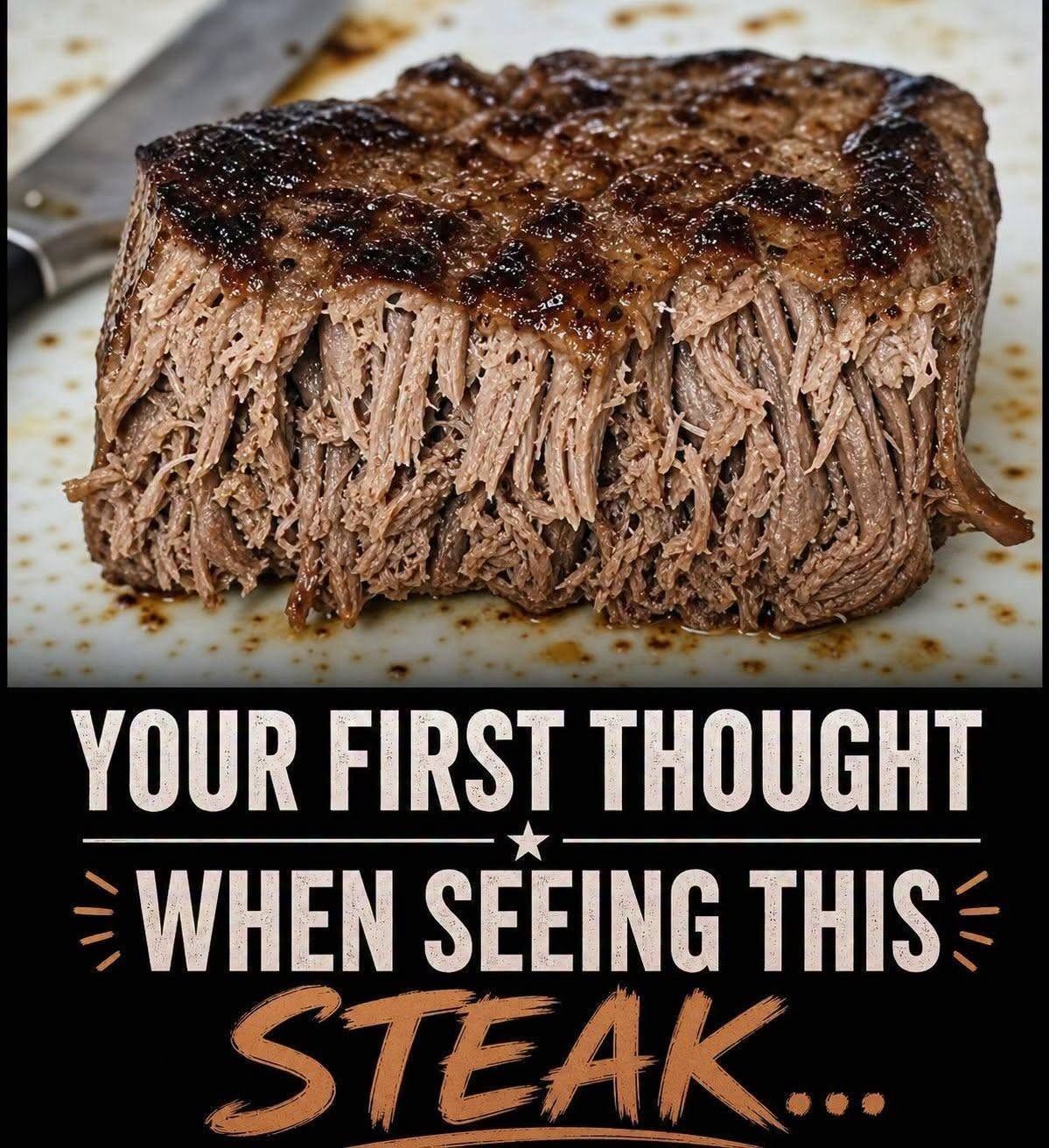
A perfectly cooked juicy steak has a way of turning an ordinary dinner into something memorable. The browned exterior, rich beefy flavor, tender texture, and flavorful juices are what make steak such a popular choice for everything from weeknight meals to special occasions.
But what actually makes a steak juicy and tender? Is it the cut, the cooking method, the seasoning, or the way you slice it?
The answer is a combination of several small details. Understanding them can help you get better results whether you’re cooking steak in a skillet, on a grill, or under a broiler.
What Makes a Juicy Steak So Appealing?
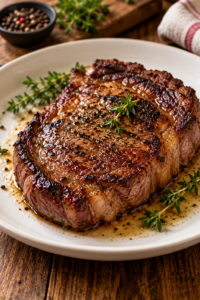
A great steak isn’t simply about being cooked to a particular level of doneness. Texture and flavor matter just as much.
A juicy steak generally has a balance between a flavorful browned exterior and a moist, tender interior. Fat can contribute significantly to flavor and mouthfeel, while the way the meat is cooked affects tenderness and moisture retention.
The browning you see on the surface is also important. When the surface of the meat becomes hot enough, complex flavor compounds develop and create the characteristic roasted, savory taste associated with a beautifully browned steak.
That contrast is part of what makes steak so satisfying: a deeply browned outside followed by a tender interior.
Choosing the Right Steak Cut
Not every steak behaves the same way in the kitchen.
Different cuts contain different amounts of fat, connective tissue, and muscle fibers, so choosing the right cut for your preferred cooking method can make a major difference.
Ribeye
Ribeye is known for its generous marbling and rich flavor.
The fat distributed throughout the meat can contribute to a particularly rich eating experience. Ribeye works well with high-heat cooking methods such as grilling or pan-searing.
New York Strip
New York strip has a firmer texture than ribeye while still offering plenty of beefy flavor.
It’s a versatile choice for grilling, broiling, or cooking in a heavy skillet.
Tenderloin
Tenderloin is prized primarily for tenderness.
Because it is relatively lean compared with heavily marbled cuts, it benefits from careful cooking so it doesn’t become unnecessarily dry.
Sirloin
Sirloin can be an excellent choice when you want a flavorful steak without choosing one of the more expensive premium cuts.
Its exact tenderness and fat content vary depending on the specific sirloin cut.
T-Bone and Porterhouse
These steaks contain more than one muscle and include a section of tenderloin alongside strip steak.
They’re especially attractive when you’re looking for a substantial steak with different textures in one serving.
Why Marbling Matters
When shopping for steak, you may notice thin white lines running through the meat.
This is called marbling, or intramuscular fat.
Marbling can contribute to tenderness, juiciness, and flavor when the steak is cooked.
However, more fat isn’t automatically better for every person or every cooking method. The ideal amount depends on personal preference and the particular cut.
A heavily marbled ribeye, for example, will behave differently from a leaner sirloin.
The important thing is understanding what you’re buying rather than assuming every steak should look identical.
Should You Season Steak Before Cooking?
Yes, seasoning plays an important role in developing flavor.
For a classic steak, salt and black pepper are often enough to highlight the natural taste of the beef.
You can also use garlic, herbs, smoked paprika, onion powder, or a prepared steak seasoning blend.
The key is to avoid covering up the natural flavor of the meat with too many competing ingredients.
A simple seasoning approach can be especially effective when the steak itself is high quality.
When Should You Salt a Steak?
Timing can vary depending on how you’re preparing the steak.
Salting shortly before cooking is a common approach.
Another method is to salt the steak well in advance and allow the seasoning time to work into the surface. If you do this, keeping the steak refrigerated and handling it properly is important.
What you generally want to avoid is leaving raw meat sitting at room temperature for an unnecessarily long period.
Getting a Good Sear
One of the most recognizable characteristics of a delicious steak is the browned crust.
To encourage good browning, the surface of the steak needs to make strong contact with a sufficiently hot cooking surface.
Excess surface moisture can interfere with browning.
That’s why gently patting the exterior dry with paper towels before cooking can be helpful.
A heavy skillet, grill grate, or other suitable cooking surface can then provide the high heat necessary to develop that flavorful exterior.
Don’t constantly move the steak around.
Allowing it to remain in contact with the hot surface gives browning a chance to develop.