
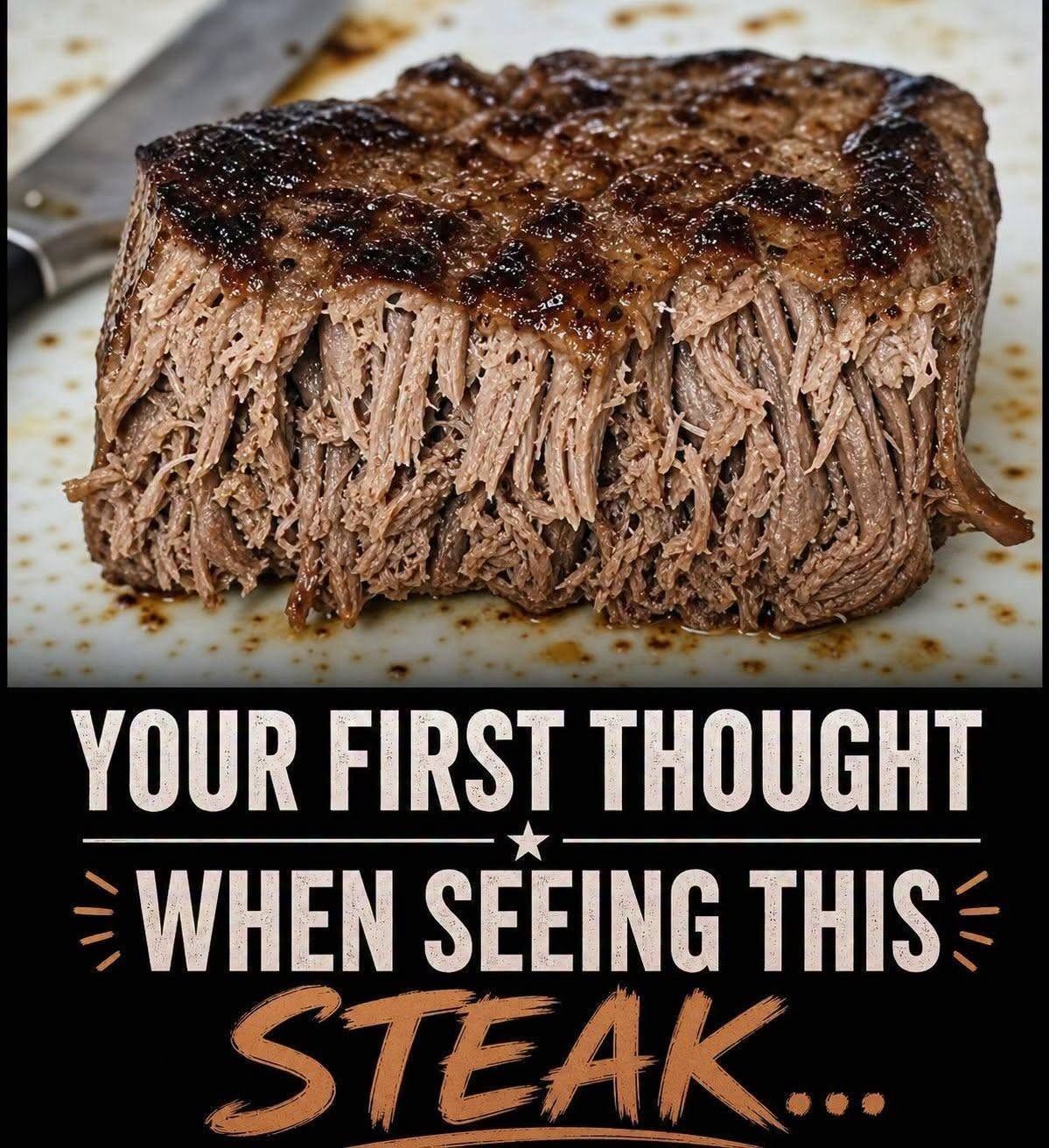
Pan-Seared Steak
A heavy skillet is one of the easiest ways to prepare steak at home.
Cast iron is particularly popular because it retains heat well, although other heavy pans can also work.
Start with a properly heated pan.
Add an appropriate cooking fat if your method calls for it, then place the steak into the pan carefully.
The steak should begin sizzling when it contacts the surface.
Let the exterior develop a browned crust before turning it.
Depending on the thickness of the steak and your desired doneness, you’ll need to adjust the cooking time rather than relying on one universal number.
Thicker steaks require more time than thin steaks.
That’s why temperature is more useful than simply watching the clock.
Grilling Steak
Grilling adds a distinctive smoky and roasted character.
Preheat the grill and make sure the cooking grates are clean.
Place the steak over the appropriate heat zone and allow the surface to brown.
If the steak is thick, using a combination of direct and indirect heat can provide more control.
The exact grilling time will depend on:
- Steak thickness
- Cut
- Starting temperature
- Grill temperature
- Desired doneness
- Whether the steak has a bone
Avoid using a single cooking time as a guarantee.
A thermometer gives you much better information about what’s happening inside the meat.
How to Know When Steak Is Done
Color alone isn’t a reliable way to determine whether steak has reached a safe temperature.
The USDA recommends cooking beef steaks to a minimum internal temperature of 145°F (62.8°C) and allowing the meat to rest for at least three minutes. Ask USDA
For the most reliable result, insert a food thermometer into the thickest part of the steak.
This is particularly important when you’re cooking for children, older adults, pregnant people, or anyone with an increased risk from foodborne illness.
If you’re looking for official guidance, the USDA’s food-safety recommendations are a useful reference.
USDA food safety guidance for cooking meat
Why Resting Steak Matters
You’ve probably seen recipes telling you to let steak rest before slicing.
There’s a good reason for that.
Immediately after cooking, the meat is extremely hot and its internal juices are still moving throughout the steak.
Allowing the steak to rest gives the temperature a chance to stabilize before you cut into it.
For food safety, USDA guidance specifically recommends at least three minutes of resting after a steak reaches the recommended minimum internal temperature. Ask USDA
Resting can also make serving easier because you’re less likely to lose as much liquid immediately onto the cutting board.
Don’t Slice Your Steak Too Soon
Cutting into a steak immediately after cooking can make the presentation messy.
Instead, transfer the steak to a clean plate or cutting board and give it a short rest.
When you’re ready to serve, use a sharp knife.
The direction in which you slice can also affect how tender the steak feels.
Slice Against the Grain
Look closely at the steak and try to identify the direction in which the muscle fibers run.
Then slice across those fibers rather than following them.
Cutting across the grain shortens the muscle fibers that you chew, which can make each bite feel more tender.
This is especially useful for steaks that naturally have a firmer texture.
Should You Add Butter?
Butter is a popular finishing ingredient for steak.
A small amount of butter can add richness and create a glossy coating on the surface.
Some cooks combine butter with garlic and herbs and spoon the melted mixture over the steak toward the end of cooking.
This can produce a rich, aromatic result.
However, butter isn’t necessary for making a good steak.
A properly seasoned steak with a well-developed crust can be delicious without it.
If you are already using a rich cut such as ribeye, you may prefer to keep the finishing ingredients simple.
Garlic and Herbs for Extra Flavor
Fresh garlic, rosemary, and thyme are common steak companions.
Their aromas work particularly well with browned beef.
Instead of overwhelming the steak with a complicated marinade, you can use herbs as a finishing layer.
A small amount of crushed garlic and fresh herbs added near the end of cooking can create a fragrant pan sauce when combined with the cooking juices and a little butter.
Just be careful with high heat because fresh garlic can burn quickly.
Common Mistakes That Can Ruin a Steak
Even a high-quality steak can disappoint if a few basic details are overlooked.
1. Starting With a Wet Surface
Moisture on the outside can make it harder to develop a strong browned crust.
Pat the surface dry before cooking.
2. Using Too Much Seasoning
A complicated seasoning mixture isn’t always better.
If you have a flavorful cut of beef, simple seasoning can allow its natural character to stand out.
3. Cooking Only by Time
A steak’s thickness can dramatically change how quickly its center heats.
Use a thermometer when accuracy matters.
4. Cutting It Immediately
Give the steak time to rest before slicing.
5. Slicing With the Grain
Following the muscle fibers can make a steak feel chewier.
Slice across them instead.
6. Overcrowding the Pan
If several pieces of meat are packed tightly into a pan, the cooking surface can lose heat and the meat may not brown as effectively.
Give each steak enough space.
How to Make a Juicy Steak Without Complicated Ingredients
You don’t need a long ingredient list.
For a straightforward steak dinner, the basic combination can be surprisingly simple:
- A quality steak
- Salt
- Black pepper
- Cooking oil or another suitable cooking fat
- Optional butter
- Optional garlic
- Optional fresh herbs
The technique matters more than having a cabinet full of seasonings.
That’s one reason steak remains such a popular home-cooked meal.
What to Serve With Steak
A juicy steak can be paired with almost anything.
For a classic American-style dinner, consider:
Mashed Potatoes
Creamy mashed potatoes provide a soft contrast to the browned steak.
Roasted Vegetables
Broccoli, carrots, asparagus, Brussels sprouts, or green beans can add color and freshness.
Baked Potato
A baked potato with butter and herbs is another traditional pairing.
Salad
A crisp green salad can provide freshness alongside a rich steak.
Rice
Rice is a simple option when you want something filling without making the meal overly complicated.
Grilled Vegetables
If you’re already using the grill, vegetables can cook alongside the steak.