
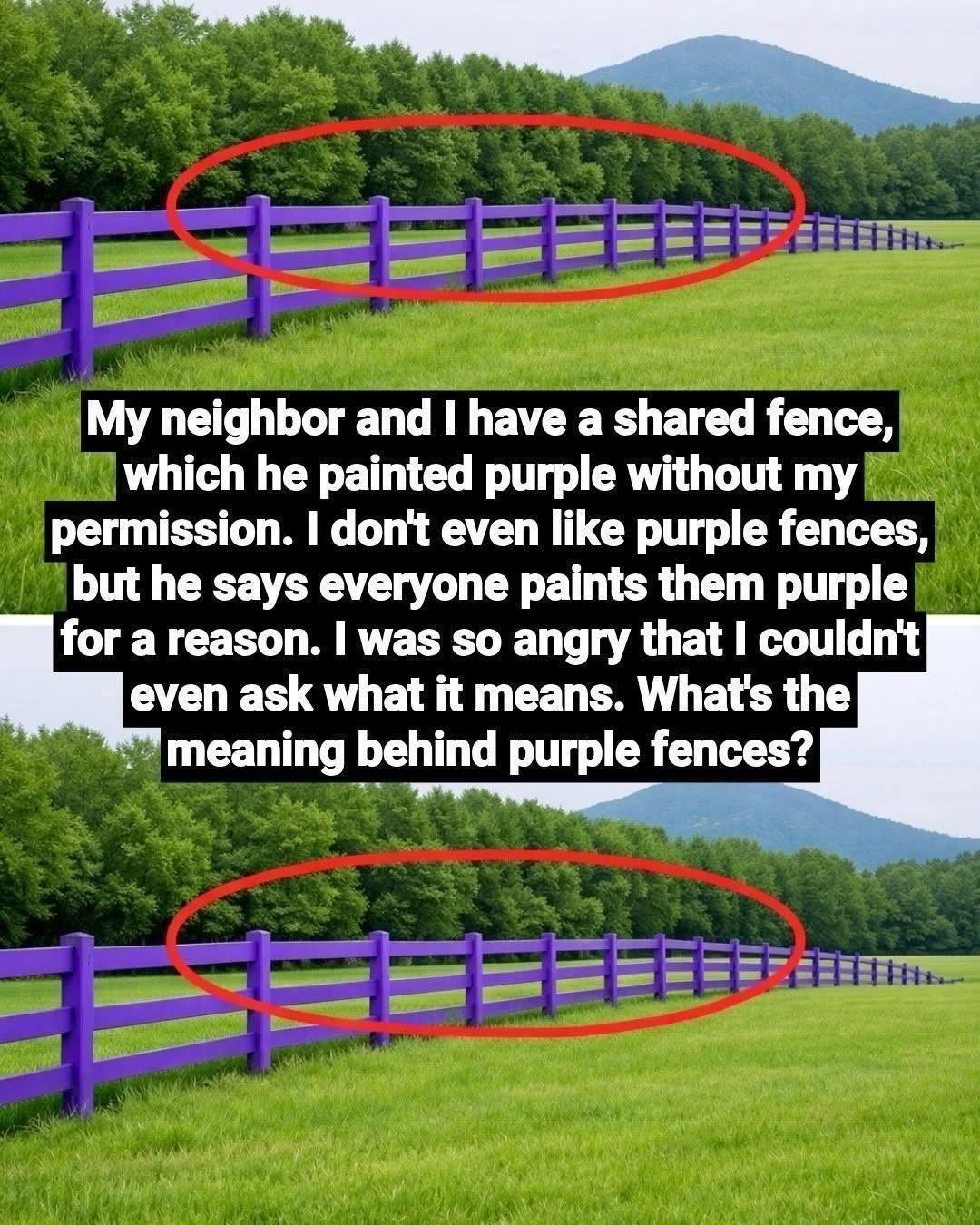
If You Spot a Painted Purple Fence, This Is What It Means
Seeing a bright purple fence or purple paint on a fence post can be confusing. At first glance, it may look like a simple decorating choice, a farm owner’s personal preference, or even a way to make a property stand out.
But in some parts of the United States, purple paint can have a much more important meaning.
7 Brilliant Staircase Space Ideas for Any Home
It can be used to communicate that entry onto private property is not allowed. The exact legal effect depends on the state, so seeing purple paint does not automatically mean the same thing everywhere. In states that recognize purple-paint posting laws, however, ignoring the marking can have legal consequences.
So what exactly does a purple fence mean, where is this system used, and why would someone choose purple paint instead of a traditional “No Trespassing” sign?
Let’s take a closer look.
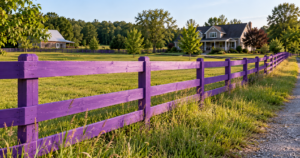
What Is the Purple Fence Meaning?
The simplest explanation is “no trespassing” in certain states.
Purple paint can be used by property owners to mark private land and provide notice that people should not enter without permission.
Texas is one well-known example. Under Texas Penal Code Section 30.05, properly placed purple paint marks on trees or posts can serve as a legally recognized form of notice that entry is forbidden. sll.texas.gov
Missouri also has a specific statute allowing owners or lessees to post property with identifying purple marks on trees or posts. revisor.mo.gov
That means the purple fence meaning isn’t simply a color trend. In the right legal context, it is a warning to stay off private property.
However, there’s an important distinction:
A purple-colored fence is not necessarily the same thing as legally prescribed purple paint markings.
The law in a particular state may specify where the paint must be placed, what shape it must have, how large it must be, and how far apart the marks can be.
Why Do Property Owners Use Purple Paint?
There are several practical reasons.
It can replace traditional signs
A property owner may prefer painted markings instead of repeatedly installing “No Trespassing” signs.
Paint applied to a tree or post can remain visible for a long time and doesn’t require a physical sign attached to the property.
It can be easier to maintain
Signs can become damaged, removed, weathered, or covered by vegetation.
Painted markings can be a relatively simple way to identify a property boundary.
It can be noticeable
Purple is an unusual color in the natural landscape.
That makes it easier for someone walking through wooded or rural property to notice the marking.
It can provide legal notice where state law allows it
This is the most important reason.
Where a state’s law recognizes purple paint as an approved method of posting property, properly made markings can communicate that unauthorized entry is prohibited.
Where Does Purple Paint Mean No Trespassing?
There isn’t one nationwide rule that applies identically across the United States.
Different states have adopted their own laws regarding colored paint used to mark private property.
Texas, for example, specifically recognizes purple paint marks as one method of providing notice under its criminal trespass law. Parcs et Faune du Texas
Missouri likewise has a statute specifically addressing purple marks on trees and posts. revisor.mo.gov
Other states have adopted similar approaches, but the exact requirements vary.
That’s why you shouldn’t assume that a purple fence has exactly the same legal meaning everywhere.
If you’re hiking, hunting, walking through rural land, or otherwise approaching property marked with purple paint, the safest approach is simple: treat the marking as a warning and don’t enter without permission.