Best Techniques for Similar Counting Puzzles
Use a Fixed Direction
Count from left to right and top to bottom. Avoid moving randomly between objects.
Divide the Picture into Sections
Create imaginary rows, columns, or quadrants. Count each section separately and combine the subtotals.
Use a Pointer
On a printed image, point to every item as you count. On a screen, follow the objects with your finger without touching controls that might move the page.
Mark Counted Objects
If editing the image is possible, add a temporary dot or number to every counted item. This works especially well for crowded scenes.
Look for Repeated Groups
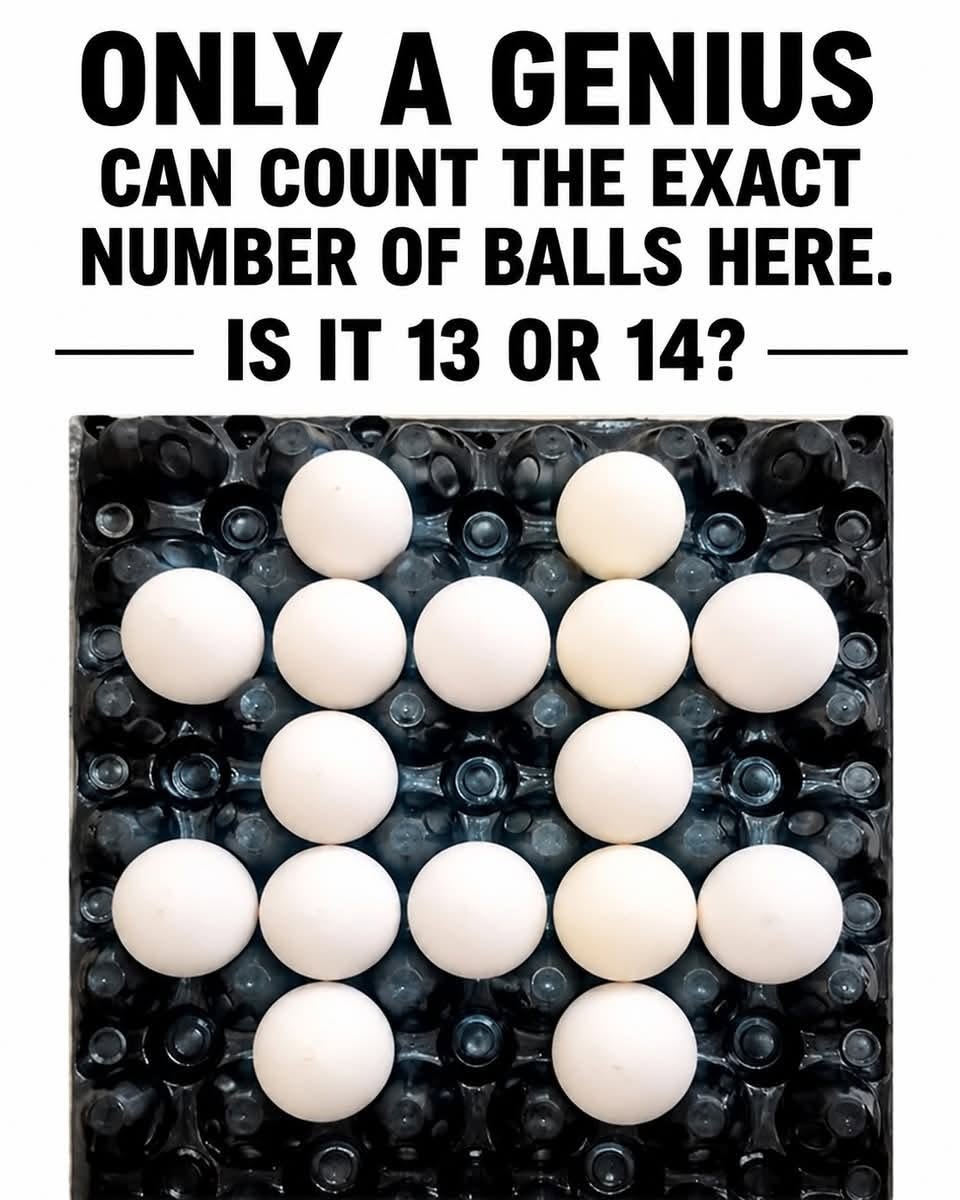
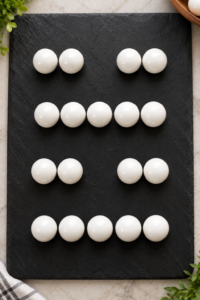
Multiplication is often faster and safer than counting every object separately. In this puzzle, the three groups of two and two groups of five make the calculation straightforward.
Count a Second Time Differently
First count by rows, then verify by grouping matching rows. If both methods give the same result, the answer is likely correct.
Do Not Trust Multiple-Choice Options Automatically
A puzzle may omit the correct answer intentionally. Calculate first and compare with the choices afterward.
What This Puzzle Tests
Although the arithmetic is easy, the puzzle tests several useful abilities:
- Visual attention
- Object tracking
- Pattern recognition
- Exact counting
- Resistance to misleading suggestions
- Verification
- Basic addition and multiplication
The most important skill is not advanced mathematics. It is the willingness to slow down and verify what is actually visible.
Is “Only a Genius” Accurate?
No. The headline is a social-media hook intended to encourage participation and sharing.
Solving the puzzle does not measure general intelligence or prove that someone is a genius. A wrong answer can result from distraction, a small screen, poor image quality, eyesight differences, or simply answering too quickly.
These puzzles can be entertaining attention exercises, but they are not validated intelligence tests. The result should not be used to judge anyone’s cognitive ability.
A more accurate headline would be:
“Can You Count Every Ball Without Missing One?”
That wording invites participation without making an exaggerated claim.
How to Make the Puzzle Easier for Children
This image can be turned into a simple educational activity.
Ask the child to:
- Point to the top row and count its two balls.
- Count the five balls in the second row.
- Continue through the remaining rows.
- Write the sequence 2, 5, 2, 5, 2.
- Add the numbers together.
- Check the answer by grouping equal rows.
You can also cover all but one row with paper, allowing the child to focus on one section at a time.
This method develops careful observation, number recognition, addition, and multiplication.
How to Create a Similar Visual Puzzle
To design a fair and engaging counting puzzle:
- Use objects that are clearly distinguishable from the background.
- Arrange them in an interesting but countable pattern.
- Avoid hiding objects so completely that the answer becomes subjective.
- Provide enough image resolution for every object to be visible.
- Use incorrect answer choices only when the correct solution can be verified.
- Include an explanation after readers submit their guesses.
A good puzzle should be challenging because of its arrangement, not because the image is blurry or misleading beyond reasonable interpretation.
Frequently Asked Questions
How Many Balls Are in the Picture?
There are 16 visible white balls.
Is the Answer 13 or 14?
Neither. The two suggested choices are incorrect.
How Do You Get 16?
Count the rows:
2 + 5 + 2 + 5 + 2 = 16
Are the Black Circles Also Balls?
No. They appear to be parts of the plastic tray and should not be counted as white balls.
Is Any Ball Hidden?
No additional white ball is clearly visible beneath or behind another object. Only the 16 visible balls should be included.
Why Does the Puzzle Offer the Wrong Answers?
Providing 13 and 14 encourages viewers to assume one must be correct. It is a distraction intended to make the puzzle more engaging.
What Is the Fastest Way to Solve It?
Recognise three rows of two and two rows of five:
(3 × 2) + (2 × 5) = 6 + 10 = 16
Does Solving It Prove Someone Is a Genius?
No. It demonstrates careful counting and attention, but it is not a scientific intelligence test.
Final Answer
So, How Many Balls Are in the Picture?
The correct answer is:
16 Balls
There are three rows containing two balls and two rows containing five balls:
2 + 5 + 2 + 5 + 2 = 16
The options 13 and 14 are distractions. Counting systematically by rows reveals the correct answer quickly and clearly.