
Ingredients
- ½ cup rolled oats
- 1 cup milk or unsweetened plant-based beverage
- 1 tablespoon ground flaxseed
- ¼ teaspoon ground cinnamon
- ½ cup fresh berries
- 1 tablespoon chopped walnuts, optional
- Plain yogurt, optional
- A small amount of honey or maple syrup, optional
Instructions
- Combine the oats and milk in a saucepan.
- Cook over medium-low heat, stirring occasionally, until the oats become tender.
- Remove the saucepan from the heat.
- Stir in the ground flaxseed and cinnamon.
- Transfer the oatmeal to a bowl.
- Add berries, optional walnuts, and yogurt.
- Sweeten lightly only if necessary.
People managing diabetes should consider the full carbohydrate content, portion size, and any sweetener used. Personalized dietary advice from a registered dietitian may be helpful.
Other Simple Ways to Use Ground Flaxseed
Add it to yogurt
Stir one teaspoon to one tablespoon into plain yogurt. Add berries or chopped fruit for natural sweetness.
Blend it into smoothies
Add ground flaxseed after measuring it rather than pouring directly from the container. Smoothies can contain substantial carbohydrates depending on their ingredients, so fruit juice and sweeteners should be used thoughtfully.
Mix it into oatmeal
Stir ground flaxseed into cooked oatmeal after removing it from the heat. Add a little extra liquid if the mixture becomes too thick.
Use it in baking
Replace a small portion of flour with ground flaxseed in muffins, pancakes, and quick breads. Significant substitutions may alter the texture and moisture level.
Make a flax “egg”
Combine:
- 1 tablespoon ground flaxseed
- 3 tablespoons water
Allow it to stand for five to ten minutes until thickened. Use it as a binder in suitable vegan baking recipes.
Sprinkle it over soup
A teaspoon of ground flaxseed can be stirred into thick soups after cooking. It may slightly thicken the texture.
Safety and Possible Side Effects
The NIH notes that larger quantities of flaxseed or flaxseed oil supplements may cause bloating, fullness, and diarrhea. It also warns against eating raw or unripe flaxseeds because they may contain potentially toxic compounds.
Consider these precautions:
- Begin with a small amount.
- Consume it with adequate liquid.
- Avoid raw or unripe flaxseed.
- Stop using it if you develop an allergic reaction.
- Seek advice if you have swallowing difficulties.
- Ask a professional before using concentrated supplements.
- Do not use flaxseed as a replacement for prescribed medication.
Medication interactions
Flaxseed may potentially interact with some medicines, including anticoagulant or antiplatelet drugs. Its fiber may also influence the absorption of oral medication when taken at the same time.
Ask a pharmacist or doctor how far apart flaxseed and medication should be taken.
People using blood glucose-lowering medication should monitor their glucose according to their care plan. Dietary changes can affect individual responses.
Pregnancy and breastfeeding
Evidence about high-dose flaxseed products and supplements during pregnancy or breastfeeding is limited. Food-level use and concentrated supplementation are not necessarily equivalent.
Discuss regular or high intake with an obstetrician, midwife, pediatrician, or other qualified healthcare professional.
Digestive conditions
Speak with a professional before increasing flaxseed intake if you have:
- Bowel obstruction
- Severe constipation
- Inflammatory bowel disease symptoms
- Narrowing of the digestive tract
- Difficulty swallowing
- Persistent abdominal pain
Common Flaxseed Mistakes
Eating only whole seeds
Whole seeds add texture, but grinding them usually makes their nutrients more accessible.
Taking too much immediately
A sudden large increase in fiber frequently causes gas, bloating, and discomfort. Increase the amount gradually.
Not drinking enough water
Fiber absorbs liquid. Adequate hydration is important when adding ground flaxseed to the diet.
Assuming flaxseed oil contains fiber
The oil contains fat but does not provide the fiber present in ground seeds.
Cooking flaxseed oil at high temperatures
Flaxseed oil is better suited to cold preparations or drizzling after cooking.
Replacing medication with flaxseed
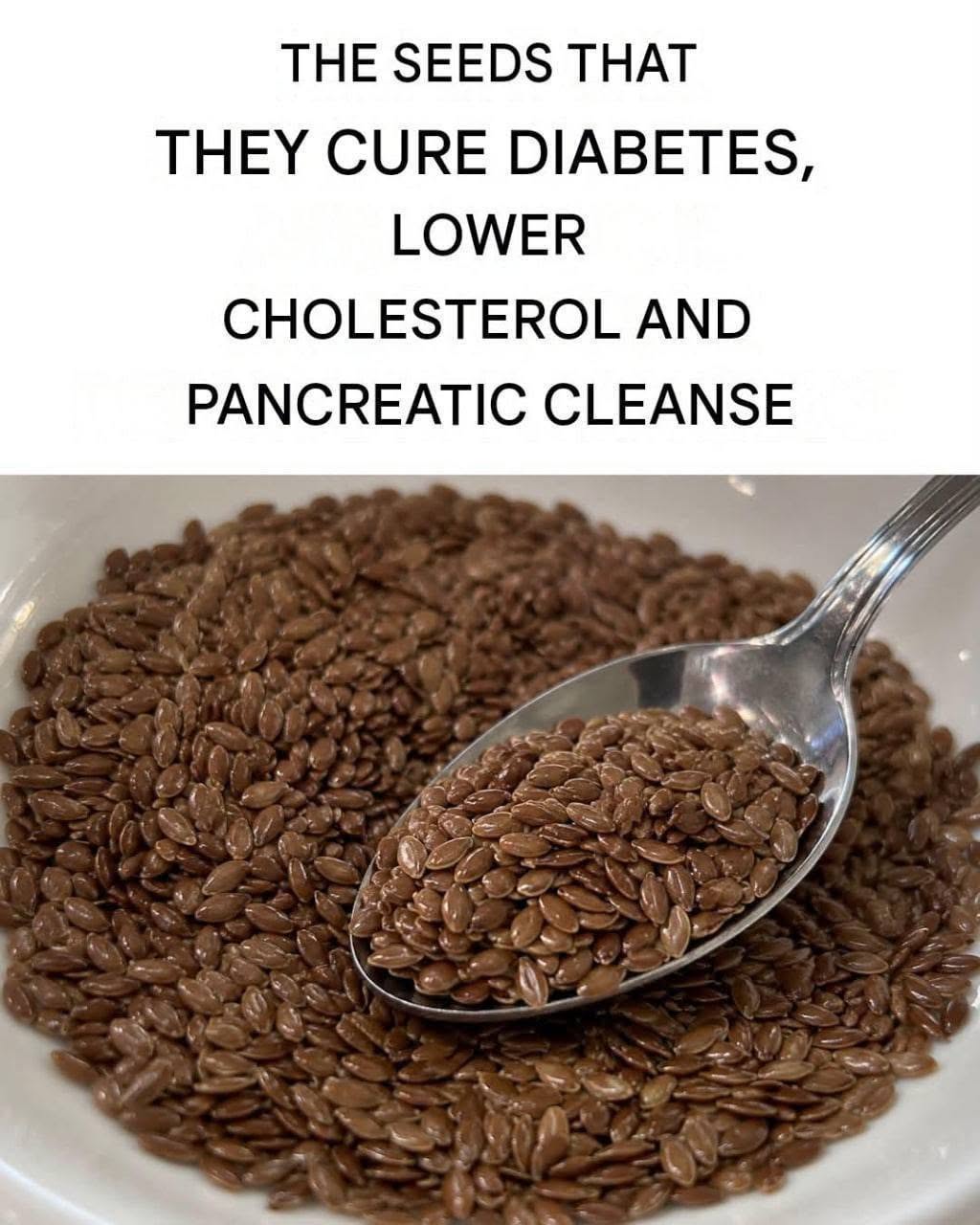
This is potentially dangerous. Flaxseed is a food, not a replacement for evidence-based diabetes or cholesterol treatment.
Believing “detox” claims
Flaxseed supports fiber intake, but that is not the same as removing toxins or cleansing an organ.