

5. Flaxseed contains lignans
Lignans are naturally occurring plant compounds with antioxidant and phytoestrogen properties. Flaxseed is an especially concentrated dietary source.
Researchers continue to study how flax lignans may relate to cardiovascular health, hormone-related conditions, inflammation, and other outcomes. Evidence is still developing, and consuming lignans should not be presented as a treatment or guaranteed method of preventing disease.
Eating flaxseed as a food is different from using a highly concentrated lignan supplement. Supplement doses may create different effects or interactions.
6. Flaxseed may influence blood sugar, but it does not cure diabetes
The fiber in ground flaxseed may slow digestion and influence how rapidly carbohydrates are absorbed when it is consumed as part of a mixed meal. Some studies have examined its effects on fasting glucose, insulin resistance, or other metabolic measurements.
However, findings are not strong or consistent enough to claim that flaxseed cures type 1 or type 2 diabetes.
The National Institutes of Health’s flaxseed safety and research summary states that more research is needed to determine whether flax lignan extract improves blood glucose control in people with type 2 diabetes. It also notes that evidence concerning flaxseed oil and diabetes remains uncertain.
According to the CDC’s type 2 diabetes guidance, diabetes management can involve healthy eating, physical activity, blood sugar monitoring, and medication or insulin prescribed by a healthcare professional.
If you have diabetes, do not stop or adjust medication because you started eating flaxseed. Its fiber content could affect digestion or blood sugar responses, making appropriate monitoring important.
7. Flaxseed can support regularity
Ground flaxseed can be useful for increasing daily fiber intake. When combined with sufficient fluid, its soluble fiber absorbs water, while insoluble fiber adds stool bulk.
Introduce it gradually. A very large portion may cause uncomfortable digestive symptoms, especially if your usual diet is low in fiber.
Anyone with a bowel obstruction, severe digestive condition, swallowing difficulty, or unexplained abdominal symptoms should seek professional advice before using flaxseed for constipation.
Does Flaxseed Cleanse the Pancreas?
No credible evidence shows that flaxseed “cleanses” the pancreas.
The pancreas:
- Produces enzymes used to digest food
- Produces insulin and other hormones
- Helps regulate blood glucose
- Releases digestive substances into the small intestine
A food cannot wash toxins out of this organ. “Pancreatic cleanse” is not a recognized medical treatment.
Pancreatitis, pancreatic cancer, diabetes, and other pancreatic disorders are serious conditions requiring professional diagnosis and treatment. Symptoms such as severe upper-abdominal pain, pain spreading to the back, repeated vomiting, jaundice, unexplained weight loss, or persistently abnormal blood sugar require medical attention—not a home detox.
Whole Flaxseed vs. Ground Flaxseed vs. Flaxseed Oil
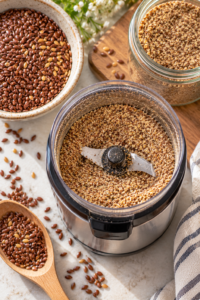
Whole flaxseed
Whole seeds store well and add texture to baked goods. However, some may pass through digestion intact, limiting access to their nutrients.
Ground flaxseed
Ground flaxseed retains the seed’s fiber, lignans, protein, and fat. It is generally the most practical choice for oatmeal, yogurt, smoothies, and baking.
Because grinding exposes the fats to oxygen, flax meal can become rancid more quickly than intact seeds.
Flaxseed oil
Flaxseed oil provides ALA but lacks the fiber found in whole and ground seeds. It should not be treated as a nutritional substitute for ground flaxseed when fiber is the goal.
Flaxseed oil is unsuitable for high-temperature frying because its fats are sensitive to heat. Use it in cold preparations such as dressings and drizzle it over food after cooking.
How Much Flaxseed Should You Eat?
There is no single serving appropriate for everyone. A commonly used food portion is one to two tablespoons of ground flaxseed daily.
If you do not regularly eat high-fiber foods, begin with one teaspoon or one tablespoon and increase gradually if it is well tolerated.
Drink water throughout the day. Consuming large quantities of dry flaxseed without sufficient fluid may worsen digestive discomfort.
More is not necessarily better. High intakes can cause bloating, fullness, gas, cramping, or diarrhea.
Easy Ground Flaxseed Breakfast Bowl
This simple breakfast is a practical way to enjoy flaxseed without making unsupported medical promises.