What Actually Happens When You Eat Okra Every Day

Okra doesn’t get nearly as much nutritional press as kale or berries, but it has a genuinely solid profile — and its most famous trait, that slimy texture, actually plays a real role in some of its benefits. Here’s what’s backed by evidence.

1. The Slime Is Actually the Point
Okra’s mucilage (the sticky, slimy substance released when it’s cut or cooked) is a type of soluble fiber. It’s often seen as off-putting, but it’s functionally useful:

Feeds beneficial gut bacteria, acting as a prebiotic
Slows digestion, which helps moderate blood sugar spikes after meals
May help soothe the digestive tract, similar to how other mucilaginous fibers (like those in flaxseed) are sometimes used for mild digestive support
If the texture bothers you, quick high-heat cooking (roasting, grilling, or stir-frying) reduces sliminess more than slow, wet cooking methods like stewing.

2. Blood Sugar Regulation
This is one of the more researched areas for okra. Several studies — mostly in animals, with some smaller human studies — suggest okra may help improve insulin sensitivity and lower blood sugar levels, likely due to its fiber content and certain plant compounds. Some traditional medicine systems use okra water (soaking sliced okra overnight) specifically for this purpose. The evidence is promising but not yet strong enough to call it a treatment — more a supportive dietary addition for people managing blood sugar.

3. Heart Health Support

For Complete Cooking STEPS Please Head On Over To Next Page Or Open button (>) and don’t forget to SHARE with your Facebook friends

Read more

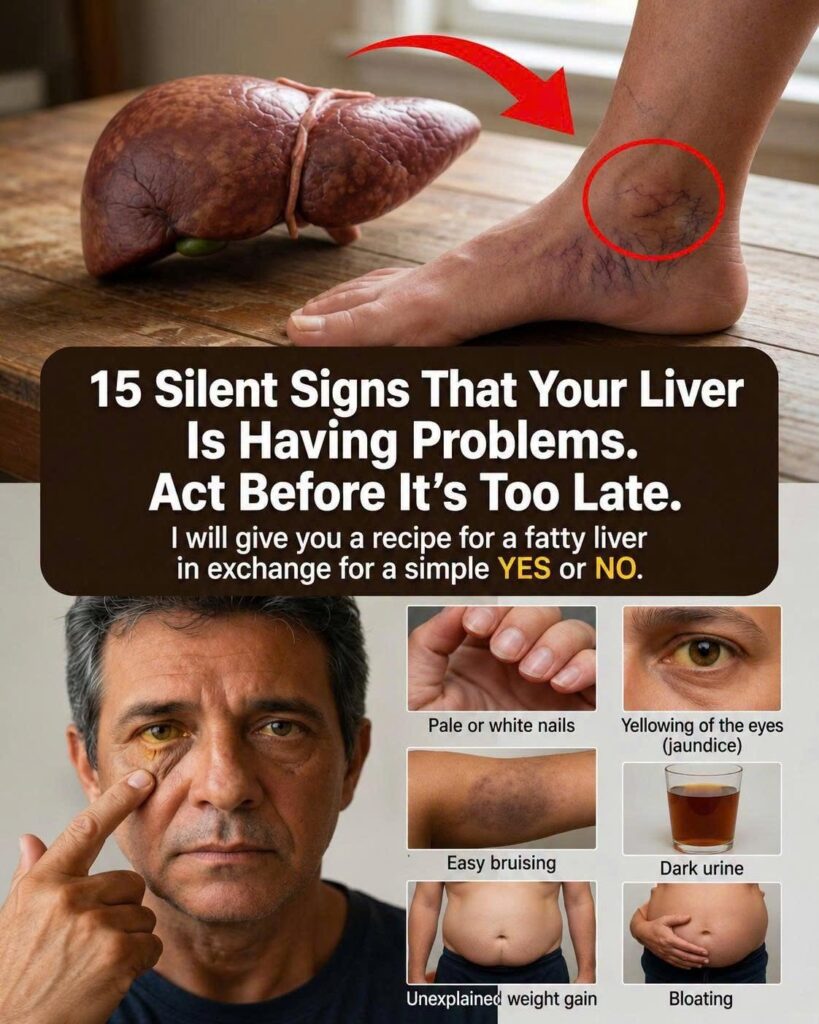
Your liver might be sending silent signals right now. Discover the symptoms that many people ignore until it’s too late!

Fatty Liver Disease Symptoms: Early Warning Signs, Risk Factors, and How to Protect Your Liver


Fatty liver disease is one of the most common liver conditions worldwide, affecting millions of adults—and increasingly, younger people as well. The condition often develops quietly, with few or no symptoms in its early stages, making regular health checkups especially important for those with risk factors.

Fortunately, lifestyle changes can often improve liver health, particularly when fatty liver is identified early.

In this guide, you’ll learn what fatty liver disease is, the symptoms to watch for, common causes, available diagnostic tests, and practical steps you can take to support a healthy liver.


What Is Fatty Liver Disease?

Fatty liver disease occurs when excess fat accumulates inside liver cells.

Small amounts of fat in the liver are normal, but when fat makes up more than a small percentage of the liver’s weight, it can interfere with normal liver function.

There are two primary forms:

Non-Alcoholic Fatty Liver Disease (NAFLD)

This type develops in people who drink little or no alcohol and is commonly associated with:

  • Overweight or obesity
  • Type 2 diabetes
  • Insulin resistance
  • High cholesterol
  • Metabolic syndrome

Alcohol-Related Fatty Liver Disease

This form is caused by excessive alcohol consumption and may improve if alcohol intake is reduced or stopped.

Without appropriate management, fatty liver disease may progress to inflammation, liver scarring (fibrosis), or cirrhosis in some individuals.


Early Symptoms of Fatty Liver Disease

Many people experience no noticeable symptoms during the early stages.

When symptoms do occur, they are often mild and nonspecific.

1. Persistent Fatigue

Feeling unusually tired despite getting enough sleep is one of the most commonly reported symptoms.

Some people notice reduced energy levels that interfere with daily activities.


2. General Weakness

A feeling of low energy or decreased physical stamina may accompany ongoing fatigue.

Although many conditions can cause weakness, persistent symptoms deserve medical evaluation.


3. Mild Nausea or Digestive Discomfort

Some individuals experience:

  • Mild nausea
  • Stomach discomfort
  • A feeling of fullness after meals

These symptoms are not unique to fatty liver disease but may occur in some cases.


4. Loss of Appetite

A reduced desire to eat can occasionally develop, particularly if liver inflammation becomes more significant.

Unintentional weight loss should always be discussed with a healthcare provider.


5. Discomfort in the Upper Right Abdomen

Some people report a dull ache, pressure, or feeling of fullness beneath the right side of the rib cage, where the liver is located.

Severe or sudden abdominal pain requires prompt medical attention.


Symptoms That May Indicate More Advanced Liver Disease

As liver damage progresses, more noticeable symptoms can develop.

These may include:

Yellowing of the Skin or Eyes (Jaundice)

Jaundice occurs when bilirubin builds up in the bloodstream and may indicate significant liver dysfunction.

Abdominal Swelling

Fluid accumulation in the abdomen, known as ascites, is usually associated with advanced liver disease and requires urgent medical evaluation.

Swelling in the Legs or Ankles

Fluid retention can also affect the lower limbs.

Easy Bruising or Bleeding

Reduced production of clotting proteins by the liver may increase the tendency to bruise.

Confusion or Difficulty Concentrating

Advanced liver disease may affect brain function, leading to changes in mental clarity.

These symptoms require prompt medical assessment.


Who Is at Higher Risk?

Several factors increase the likelihood of developing fatty liver disease.

Common risk factors include:

  • Being overweight or obese
  • Type 2 diabetes
  • Prediabetes
  • High blood pressure
  • Elevated cholesterol or triglycerides
  • Physical inactivity
  • Excessive alcohol consumption
  • Polycystic ovary syndrome (PCOS)
  • Sleep apnea

Even individuals with a normal body weight can develop fatty liver disease, particularly if they have metabolic risk factors.


How Is Fatty Liver Disease Diagnosed?

Because early fatty liver disease often causes no symptoms, diagnosis frequently occurs during routine medical testing.

Healthcare providers may recommend:

  • Blood tests to assess liver enzymes
  • Liver function tests
  • Ultrasound imaging
  • FibroScan® (transient elastography)
  • CT scan or MRI in selected cases

Occasionally, a liver biopsy may be recommended if the diagnosis is uncertain or advanced liver disease is suspected.


Lifestyle Changes That Support Liver Health

In many cases, healthy lifestyle habits are the cornerstone of fatty liver management.

Maintain a Healthy Weight

Gradual weight loss may help reduce excess liver fat in individuals who are overweight.

Rapid weight loss, however, should be avoided unless supervised by a healthcare professional.


Eat a Balanced Diet

Choose foods such as:

  • Vegetables
  • Fruits
  • Whole grains
  • Beans and legumes
  • Lean proteins
  • Fish
  • Nuts
  • Healthy fats like olive oil

Limit foods high in:

  • Added sugars
  • Refined carbohydrates
  • Processed foods
  • Saturated fats

Exercise Regularly

Aim for at least 150 minutes of moderate physical activity each week.

Walking, cycling, swimming, and strength training all contribute to improved metabolic health.

Read more

Fan and ice to cool your home: the economical trick to beat the heat without air conditioning

When temperatures rise and the heat becomes difficult to bear, not everyone has an air conditioner or wants to face higher bills. A simple and inexpensive way to make the air cooler is to pair a fan with ice.

The principle is very simple: the fan alone does not really lower the temperature of the room, but moves the air creating a feeling of freshness on the skin. Adding ice in front of the airflow, however, can achieve an effect similar to a small cooling system.

To try this trick, just a few elements are enough:

DON’T MISS THIS ARTICLE

Why Some People Always Offer Coffee to Others: What Psychology Says
a fan; a bowl or basin with ice; cold water, if necessary.

The process is simple:

Fill a bowl with ice cubes or a bottle of frozen water; place it in front of the fan, a safe distance away; turn on the fan and let the airflow pass over the ice.

The moving air will collect some of the cold produced by the ice and help make the perceived temperature in the room more pleasant.

Does the ice trick really work?
A fan and ice can provide relief, especially in small environments and during less hot hours, but they are not a complete replacement for an air conditioner. Ice does not eliminate the heat present in the room: above all, it offers temporary cooling near the area where it is used.

For Complete Cooking STEPS Please Head On Over To Next Page Or Open button (>) and don’t forget to SHARE with your Facebook friends

Read more

The 95-Year-Old Chinese Doctor’s Daily Drink: A 3-Ingredient Elixir for Liver Health, Digestion & Radiant Skin

At 95, Dr. Li still rises at dawn, walks three miles, and consults with patients—something he credits not to luck, but to a simple morning ritual he’s practiced for over 60 years: a vibrant, ruby-red drink made from just three humble ingredients—tomato, carrot, and lemon.

While it may sound too simple to be true, this traditional tonic aligns with both ancient Chinese medicine principles and modern nutritional science. It’s not a “miracle cure”—but a daily act of nourishment that supports your liver, soothes your gut, and helps your body thrive at any age.

In this guide, you’ll discover:
✅ Why this trio works synergistically for detoxification and digestion
✅ The science behind each ingredient (including lycopene, beta-carotene, and vitamin C)
✅ How to make the drink perfectly—plus timing, frequency, and safety tips
✅ What to expect (realistic benefits over days and weeks)

Because true vitality isn’t about extreme cleanses—it’s about consistent, gentle support.

🌿 A Tradition Rooted in Wisdom—Not Hype

In Traditional Chinese Medicine (TCM), the liver is considered the “general” of the body—responsible for smooth energy flow (Qi), emotional balance, and detoxification. A stagnant or overburdened liver is linked to fatigue, irritability, digestive issues, and dull skin.

This drink doesn’t “flush” or “shock” the system. Instead, it nourishes and gently stimulates—exactly as TCM recommends for long-term harmony.

And modern science agrees: each ingredient offers clinically studied benefits for liver and gut health.

🔬 The Power of Three: Why This Combo Works
1. Tomato: The Lycopene Liver Protector


continued reading in the next page


Read more

Check the comments for the full DIY recipe

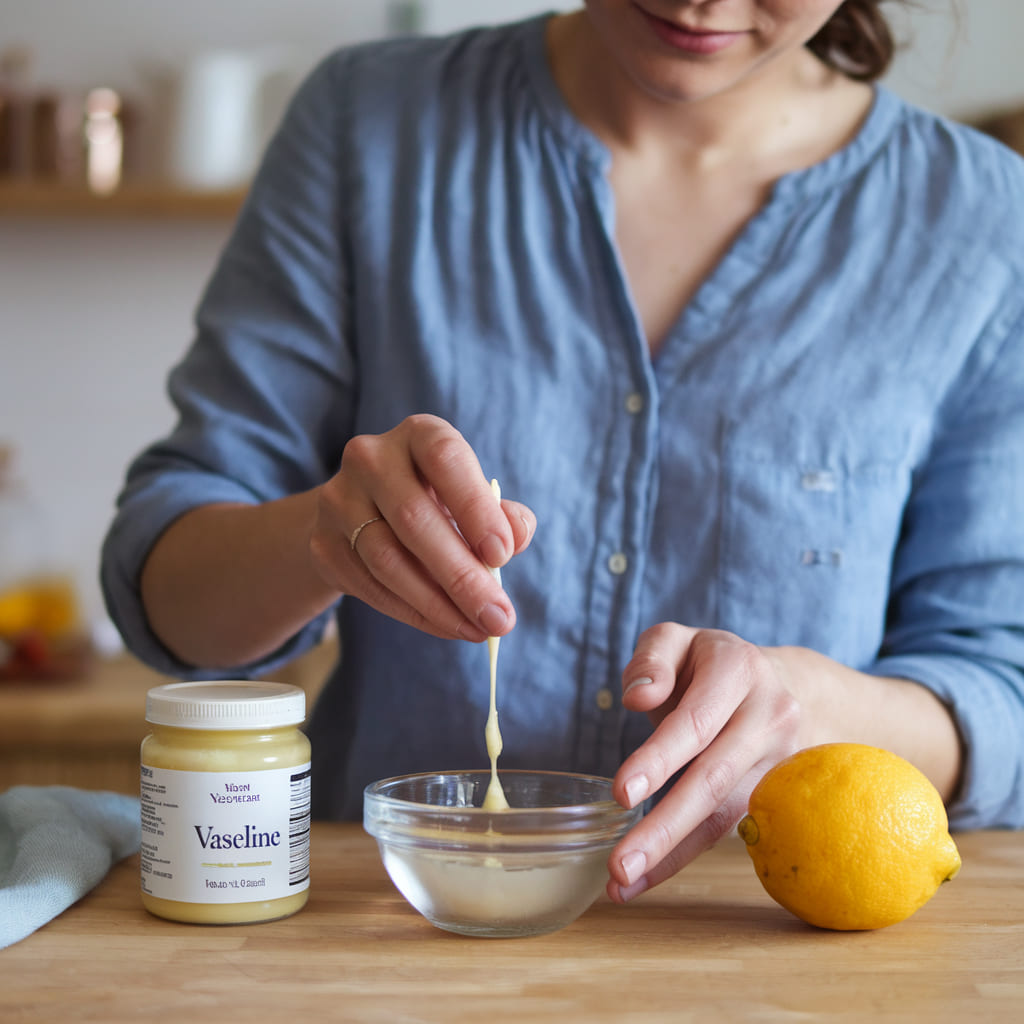
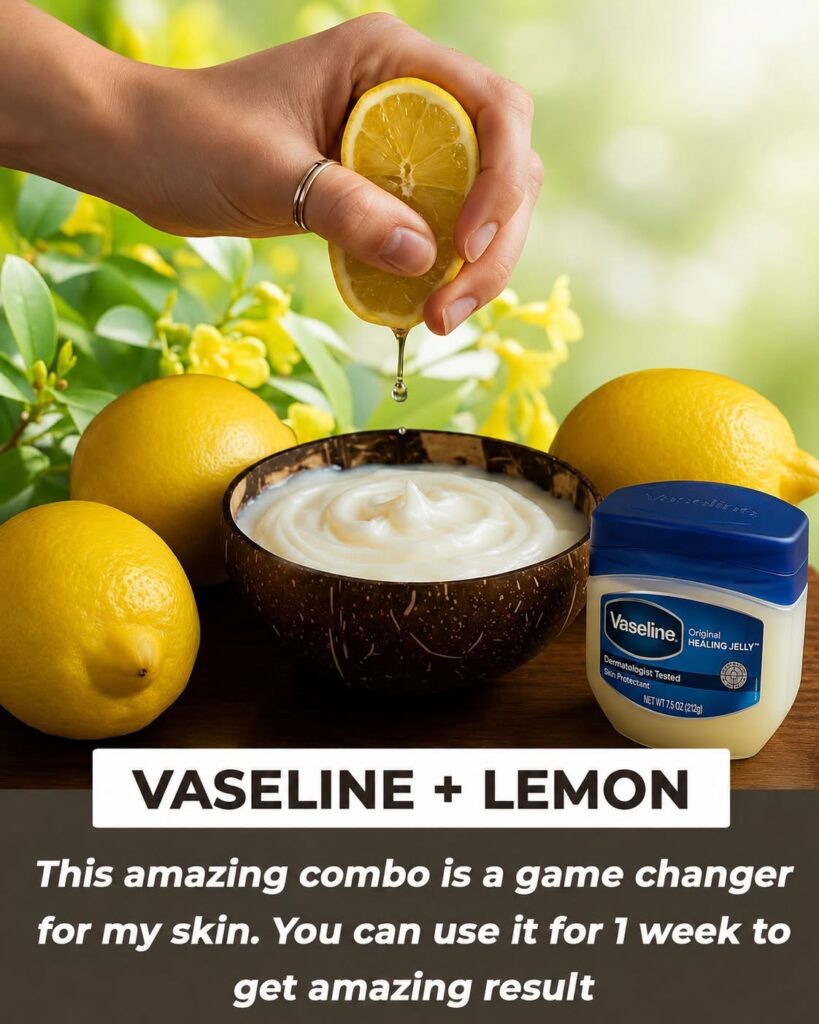
For centuries, women have turned to natural ingredients to enhance their beauty. Two such ingredients, Vaseline and lemon, have stood the test of time, offering a simple yet effective solution for various skin concerns.

Vaseline, a petroleum jelly, is renowned for its moisturizing and dryness-preventing properties.. Lemon, on the other hand, is a citrus fruit packed with vitamin C, a potent antioxidant that helps brighten the skin and fade dark spots.

In this article, we’ll explore the benefits of mixing Vaseline and lemon, and provide you with some easy-to-follow DIY recipes to incorporate into your skincare routine.

Table of Contents

#1. A Vaseline and Lemon Skincare Duo for Most Skin Types

While Vaseline and lemon can be beneficial for many skin types, it’s important to understand how they might affect different skin concerns:

Normal to Dry Skin:

  • Hydration: Vaseline’s occlusive properties help seal in moisture, making it ideal for dry skin.
  • Brightening: Lemon juice can help brighten dull skin and even out skin tone.

Oily Skin:

  • Balancing: Lemon juice can help regulate oil production and prevent breakouts.
  • Gentle Exfoliation: The combination can gently exfoliate, removing dead skin cells.

Combination Skin:

  • Targeted Treatment: You can apply the mixture to areas like dry patches or oily T-zone.
  • Balancing Act: The duo can help balance oil production and hydrate dry areas.

Sensitive Skin:

  • Patch Test: Always do a patch test before using any new product, especially those with citrus ingredients.
  • Gentle Application: Use the mixture sparingly and avoid sensitive areas like the eye contour.

While Vaseline and lemon can be a great addition to your skincare routine, it’s essential to listen to your skin. By understanding your skin type and tailoring your skincare routine accordingly, you can harness the power of Vaseline and lemon.

#2. Vaseline and Lemon Nutrient Powerhouse

The combination of Vaseline and lemon offers a potent blend of nutrients beneficial for your skin. Let’s break down the key nutrients and their role in skincare:

Vaseline

  • Hydrocarbons: These compounds form a protective barrier on the skin, preventing moisture loss and keeping it hydrated.

Lemon

  • Vitamin C: A powerful antioxidant that helps brighten the skin, reduces hyperpigmentation, and boosts collagen production.
  • Citric Acid: A natural alpha hydroxy acid (AHA) that gently exfoliates the skin, removing dead cells and revealing a smoother complexion.
Vaseline and Lemon Nutrient Powerhouse

How These Nutrients Work Together:

  • Hydration: Vaseline locks in moisture, preventing dryness and flakiness.
  • Brightening: Vitamin C in lemon juice helps lighten dark spots and evens skin tone.
  • Exfoliation: Citric acid gently removes dead skin cells, promoting cell turnover.
  • Antioxidant Protection: Vitamin C helps protect the skin from damage caused by free radicals.
Vaseline-and-Lemon-Nutrient-Powerhouse-1

By combining these nutrient-rich ingredients, you can create a simple yet effective skincare routine that addresses a variety of skin concerns.

#3. DIY Remedies with Vaseline and Lemon


Read more

error: Content is protected !!