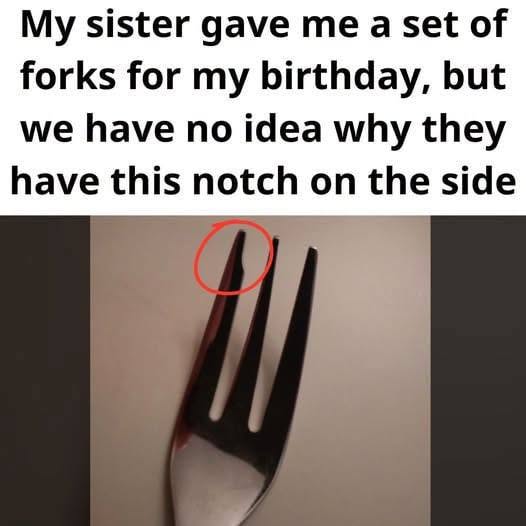
Why Is There a Notch in My Cake Fork?

Yeah, those little dainty forks you only seem to notice at weddings—or anytime someone decides to serve cake on real plates rather than paper ones. Ever take a close look? And wonder why one of the tines is all funny-looking? Like there’s a little notch or groove carved out of the left-side tine? It almost looks like a manufacturing defect, like some factory machine skipped a step in creating the fork. But… not. It’s on purpose—and honestly, kind of clever.

The thing is, most of us just go ahead and jam a fork into cake and do our thing. But the cake fork is apparently an actual utensil with some odd idea behind what it does—or at least how it looks. That notch? It’s on the far-left tine, but it’s not there to balance out the fork. It’s to help you cut your cake—in case you didn’t know. Like, you don’t even need a knife. One-handed cake control. I guess you could call it a tool, not just a utensil. Or both.

So, the left-side tine of the fork is usually a bit bulkier than the others—and that little notch acts as a pressure guide. The idea is you press the fork’s side into your slice of cake, and that notch gives you guidance for your cut as you press down. It’s not aggressive like a serrated knife or anything, but it will allow you to slice through soft layers—frosting, sponge, even that slightly-too-dense bottom of a store-bought sheet cake—without just mangling everything. In essence: cleaner cuts, fewer crumbs, less sad frosting smears.

Read more

This natural and effective remedy for relieving constipation

1/9 What is constipation?

Constipation is a digestive disorder characterized by difficulty passing stools. It can become so severe that going to the toilet becomes very difficult, even painful.
© Shutterstock

2/9 It happens to everyone

Whether occasional or chronic, constipation is a disorder that many people are familiar with, particularly women and the elderly.
© Shutterstock

3/9 What are its symptoms?

Continue on the next page:

Read more

90% of people get this wrong at the grocery store. Which one is cilantro?

e can’t talk about cilantro without mentioning one of the funniest mysteries in human genetics. Have you ever cooked a beautiful meal with cilantro for a friend, only for them to look at you in horror and say, “This tastes like dish soap”?

Anatomy
They aren’t just being picky! Scientists discovered that some people possess a specific olfactory receptor gene called OR6A2. This gene makes them highly sensitive to chemical compounds called aldehydes, which are found in both cilantro and—you guessed it—soap. So, if cilantro tastes like laundry detergent to you, blame your DNA! Parsley, on the other hand, is a crowd-pleaser and never gets accused of tasting like cleaning supplies.


For Complete Cooking STEPS Please Head On Over To Next Page Or Open button (>) and don’t forget to SHARE with your Facebook friends

Read more

Watermelon as a treatment for erectile dysfunction

As mentioned in a recent article in Harvard Health Letters, more than three-quarters of men with coronary arteries narrowed by cholesterol deposits also suffer from erectile dysfunction.

There are medications like Viagra, but these temporary and expensive solutions can have serious side effects. Obviously, if your arteries are so damaged, a more intensive approach, involving much more than simply taking a pill, can lead to more lasting improvements in both sexual function and cardiovascular health. A plant-rich diet can not only help reverse these two problems, but one plant in particular may play an important role in this process.

The mechanism of action of medications like Viagra involves inhibiting an enzyme that blocks the effect of cGMP, which is involved in the dilation of blood vessels in the penis. Inhibiting this enzyme increases cGMP levels and, consequently, blood flow. Another way to increase cGMP levels is to target the other part of the equation by stimulating the enzyme that…

For Complete Cooking STEPS Please Head On Over To Next Page Or Open button (>) and don’t forget to SHARE with your Facebook friends

Read more

Set it and forget it. They’ll be creamy and fluffy for dinner, and you can top them however you like.

French fries are one of those quiet, perfect, indulgent meals: humble, inexpensive, and endlessly versatile. Traditionally baked in a hot oven for a soft interior and crispy exterior, the slow cooker offers a wonderfully hands-off alternative.

While the modern slow cooker is a mid-20th-century invention, the idea of ​​cooking potatoes low and slow dates back much further—think of embers by the fireplace and potatoes roasted over a buried campfire. Using whole russet potatoes and a single-chambered base, this method allows you to “fry” potatoes without heating up the kitchen or hovering over the stove. It’s ideal for busy days, small kitchens, or times when you already have a roast or casserole in the oven.

Whole Russet Potatoes Next to a Slow Cooker on the Kitchen Counter
These slow cooker baked potatoes are a blank canvas for whatever you fancy. For a classic Midwestern table, serve them with a simple green salad, steamed broccoli or roasted carrots, plus a protein like grilled chicken, browned pork chops or a pan-fried steak that already shares the counter with your slow cooker.

They’re also great as a base for French fries – set out bowls with grated cheese, sour cream, chopped spring onions, crumbled bacon and steamed vegetables so everyone can build their own. If you’re a vegetarian, steam the fries with a hearty bean chili or lentil stew to spoon over the top. You can refrigerate any leftover fries, then slice them and pan-fry them the next day for a quick French fries at home with eggs and fruit.

Baked French Fries with Mixed Toppings in Small Bowls
2-Ingredient Slow Cooker Baked Russet Potatoes

For Complete Cooking STEPS Please Head On Over To Next Page Or Open button (>) and don’t forget to SHARE with your Facebook friends

Read more

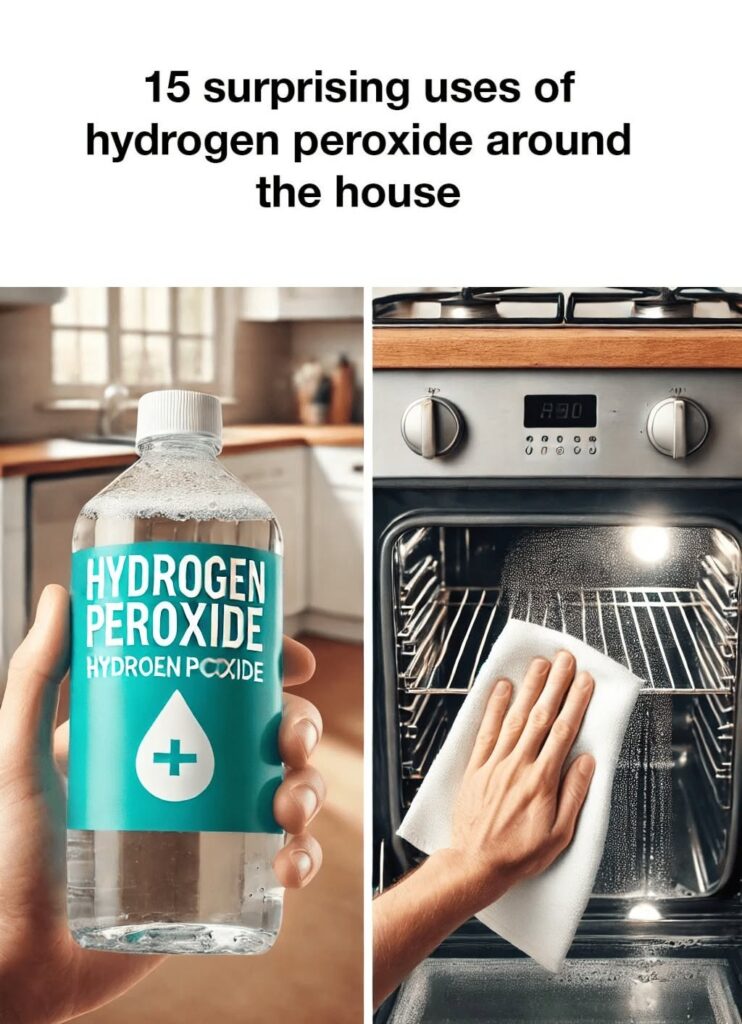
15 Surprising Uses of Hydrogen Peroxide Around the House

Did you know that hydrogen peroxide can be your secret weapon for household cleaning and maintenance? Here are 15 amazing ways you can use it to keep your home sparkling and fresh:

1.Clean Your Oven
Skip the harsh chemicals and spray a mix of hydrogen peroxide and baking soda inside your oven. Let it sit for a few minutes, then wipe it down for a clean, grease-free shine.

2.Whiten Grout
Mix hydrogen peroxide with baking soda to make a paste. Scrub it into your grout to remove stains and restore its brightness.

3.Sanitize Cutting Boards
After washing your cutting boards, spray them with hydrogen peroxide to kill bacteria and keep your kitchen surfaces safe for food prep.

4.Brighten Laundry
Add a cup of hydrogen peroxide to your white laundry to boost brightness and remove stubborn stains.

5.Disinfect Toys
Keep your kids’ toys germ-free by spraying them with hydrogen peroxide. Let it sit for a few minutes before wiping clean.

For Complete Cooking STEPS Please Head On Over To Next Page Or Open button (>) and don’t forget to SHARE with your Facebook friends

Read more

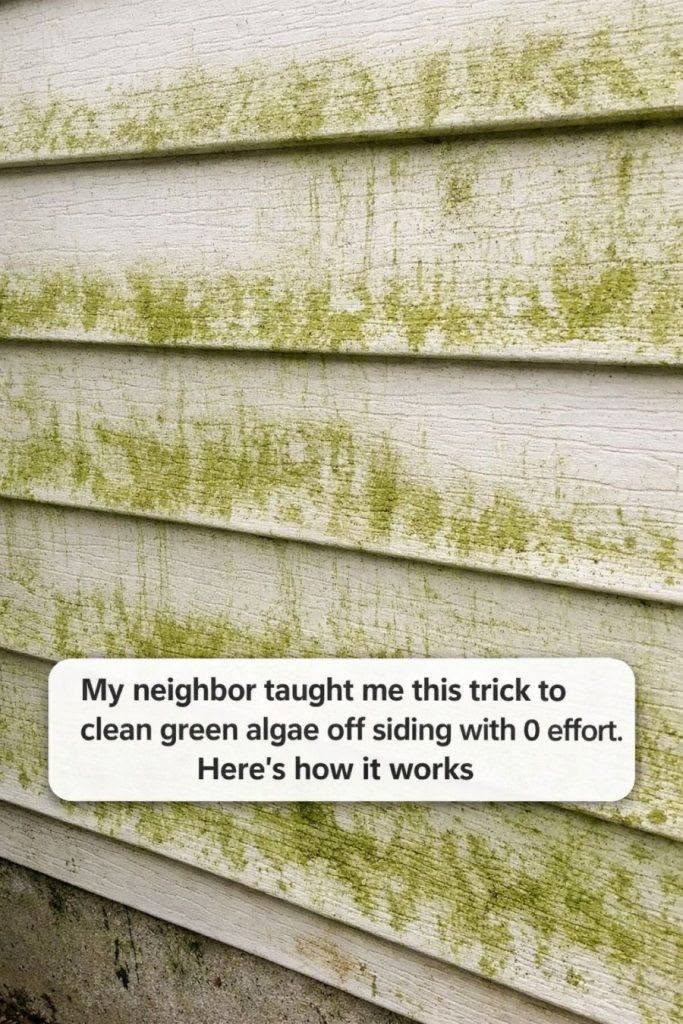
My neighbor taught me this trick to clean green algae off siding with 0 effort. Here’s how it works

Green algae on siding is a common issue that many homeowners face, especially in areas with high humidity and lots of shade. It can make the exterior of your home look unsightly and even lead to damage over time if not addressed. For years, I struggled with finding an effective solution to this problem. I tried everything from pressure washing to various cleaning solutions, but nothing seemed to work without requiring a significant amount of effort.
Then, one day, my neighbor shared a trick with me that completely changed the way I approached cleaning green algae off my siding. This method was not only effective but also required almost no physical effort. I was skeptical at first, but after seeing the results, I knew I had to share this incredible trick with others. Here’s how it works.


1. The Surprising No-Scrub Trick My Neighbor Shared
The trick my neighbor shared was surprisingly simple and relied on a combination of common household products. Instead of scrubbing or using expensive cleaning agents, the secret was in using a specific mixture that could be sprayed onto the siding. This mixture would kill the algae and loosen its grip on the surface.
My neighbor recommended using a garden sprayer to apply the solution, which meant there was no need for ladders or getting up close and personal with the siding. The real magic happened when the solution was left to sit, allowing it to work its way into the algae, breaking it down without any physical effort required.
2. Why Green Algae Loves Vinyl And Painted Siding
Green algae thrives in damp, shady environments, which makes the north side of your house, or areas under large trees, prime real estate. Vinyl and painted siding can often trap moisture, providing the perfect breeding ground for algae. These materials tend to hold onto water longer than other surfaces, allowing algae spores, which are always present in the air, to settle and grow.
As the algae grows, it feeds off the moisture and any organic material present on the siding, leading to those unsightly green patches that are so common. Understanding this helps in preventing algae growth by reducing moisture retention on your siding.
3. The Simple Cleaning Cocktail: What You Actually Need
The cleaning cocktail is incredibly simple to make and only requires a few ingredients that you likely already have at home. The main components are water, white vinegar, and a small amount of dish soap. The acidity in the vinegar helps to kill the algae, while the dish soap acts as a surfactant, helping the solution spread evenly and stick to the siding.
To create the mixture, you’ll need about 1 gallon of water, 1 cup of white vinegar, and a tablespoon of dish soap. This combination is effective at breaking down the algae without causing damage to your siding.
4. Exact Mixing Ratios So You Don’t Damage Your Siding
While the cleaning cocktail is generally safe for most types of siding, it’s important to get the ratios right to avoid any potential damage. Using too much vinegar can be harsh on some painted surfaces, so sticking to the recommended 1 cup of vinegar per gallon of water is crucial.
If you have particularly delicate siding or are concerned about the paint, you can test a small, inconspicuous area first to ensure there is no adverse reaction. Adjust the mixture slightly if needed, but generally, this ratio is safe and effective.
5. How To Apply The Solution Without Ladders Or Scrubbing 

Read more

Did you know that having visible veins means you are… See more

Why your veins look more prominent: body signals you should understand

At some point, many people look at their hands or arms and notice that their  veins  appear more  visible  or prominent than usual. This often leads to concern and immediate questions about whether it’s a  health problem  or an abnormal change in the body. However, in most cases, the appearance of  prominent veins is due to completely normal factors and poses no risk. Even so, paying attention to this detail can help you better understand what your body is trying to tell you.

Continue on the next page:

Read more

Common Mistakes That Affect Balance in Older Adults

5 Common Mistakes That Affect Balance in Older Adults

Losing stability, worrying about tripping, or feeling unsure with each step often happens gradually. Many people dismiss these signs as “just part of getting older.” However, balance issues are not inevitable, and in many cases, they stem from everyday habits that quietly undermine the body. The good news is that small, consistent changes can make a meaningful difference in long-term stability.

1. Keep Moving: Strengthen Your Muscles

A sedentary lifestyle weakens muscles in the legs, core, and back, which are essential for balance. When these muscles aren’t regularly used, standing and walking can start to feel unstable.

Simple solutions:

  • Walk 20–30 minutes daily
  • Stretch gently in the morning and evening
  • Try low-impact activities like yoga or tai chi

Start slowly, and gradually increase activity to avoid strain or fatigue. Even small steps add up to improved coordination and confidence.

2. Choose the Right Footwear

Shoes play a bigger role in balance than most people realize. Shoes that are too loose, slippery, or unsupportive can turn familiar surfaces into hazards.

Tips for safer footwear:

  • Choose closed shoes with firm support
  • Look for non-slip soles
  • Ensure heel stability
  • Prioritize comfort without sacrificing safety

Secure, supportive shoes help prevent slips and give you confidence in every step.

3. Eat Well and Stay Hydrated

3. Eat Well and Stay Hydrated

Proper nutrition and hydration directly affect energy, strength, and coordination. Fatigue, dizziness, or weakness from poor diet or dehydration can subtly undermine balance over time.

Helpful habits:

  • Drink water regularly throughout the day
  • Eat a balanced diet with fruits, vegetables, whole grains, and protein
  • Consider consulting a healthcare professional for personalized guidance

Maintaining muscle strength and energy helps the body respond effectively to challenges and prevents falls.

4. Make Your Home Safer

Even at home, hidden hazards can increase fall risk:

  • Loose rugs
  • Dim lighting
  • Cluttered walkways
  • Poorly arranged furniture

Small adjustments that help:

  • Secure rugs and remove tripping hazards
  • Improve lighting in hallways and rooms
  • Clear pathways, especially in high-traffic areas
  • Install grab bars in bathrooms

These changes often bring immediate improvements in safety.

5. Protect Your Senses: Eyesight and Hearing

5. Protect Your Senses: Eyesight and Hearing

Vision and hearing are crucial for balance. When these senses decline, confidence in movement can decrease, increasing the risk of falls.

Action steps:

  • Schedule regular eye exams
  • Wear properly fitted glasses if needed
  • Schedule hearing tests and use hearing aids if recommended

Supporting your senses helps the brain accurately interpret your surroundings, improving stability and mobility.

Key Takeaway

Caring for balance is not about dramatic changes, but about gentle, consistent habits. By strengthening muscles, wearing supportive footwear, eating and hydrating properly, making your home safer, and addressing vision and hearing, you can regain confidence and move through daily life with greater ease—one step at a time.

You’ve just read,  Common Mistakes That Affect Balance in Older Adults. Why not read Manager Had To Hire A New Employee.

Read more

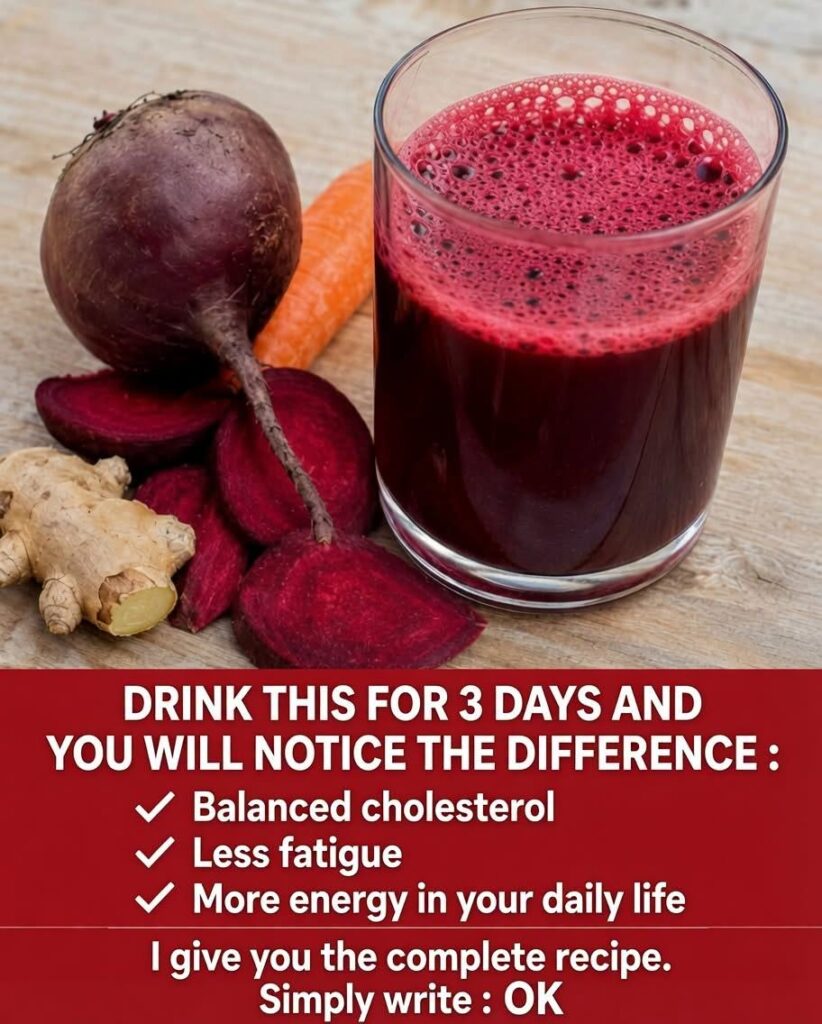
Take this for three days and you’ll notice the difference: zero cholesterol, zero arthritis, zero fatigue. You’ll love this recipe.

A Simple Daily Habit That May Support Your Well-Being
Many people look for natural ways to feel more energetic, support heart health, and stay comfortable as they move through the day. While no homemade drink can replace medical treatment or provide instant results, nutrient-rich ingredients can become valuable additions to a balanced lifestyle. Health

That was the approach Michael decided to take.

Continue on the next page:

Read more

error: Content is protected !!