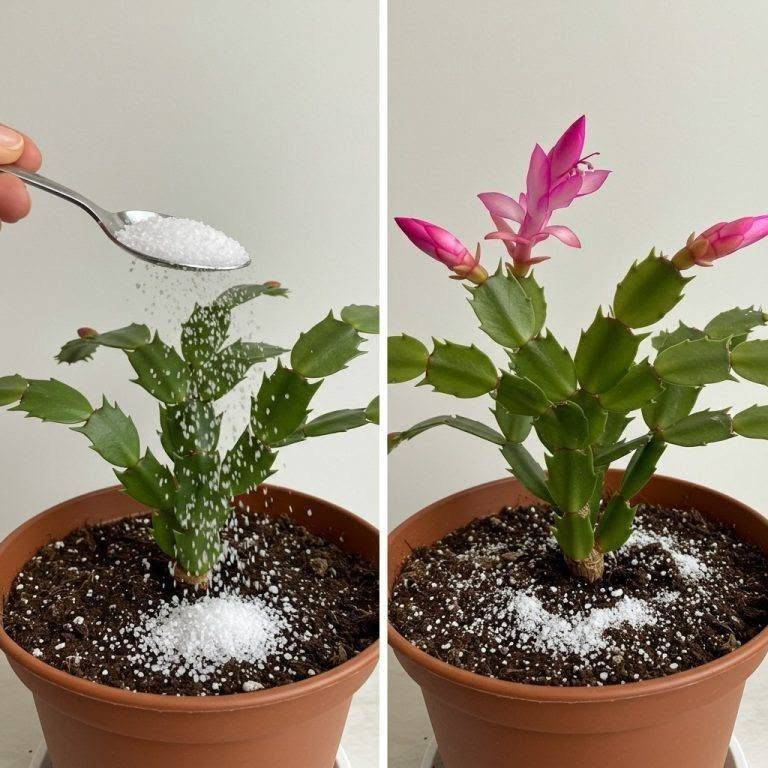
Fall Awakening: Breathing Life into House Flowers with a Little Secret

Unlock the secret to revitalizing your house flowers in the fall with just a touch of magic. This simple yet powerful technique promises to bring your indoor blooms back to life, transforming them into vibrant displays of color and vitality.

Here’s why a little of this is all you need:

Seasonal Renewal: As the fall season approaches and temperatures begin to cool, it’s the perfect time to give your house flowers a boost of energy. This technique provides the nourishment they need to thrive during the transition to cooler weather.
Revitalizing Effect: With just a small amount of the secret ingredient, your house flowers will spring back to life with renewed vigor. Withered leaves will perk up, stems will become stronger, and buds will form in anticipation of blooming.
Promotes Blooming: One of the most exciting aspects of this technique is its ability to encourage blooming in house flowers. Even varieties that have been reluctant to flower in the past will burst into bloom, filling your home with color and fragrance.

Easy Application:


see continuation on next page

Read more

Help maintain healthy blood vessels, care for your heart, and support body hygiene with this incredibly beneficial homemade natural mixture.

A Simple Daily Ritual to Support Energy, Vitality, and Overall Well-Being

As we move through different stages of life, maintaining energy, resilience, and overall wellness becomes increasingly important. Many people between the ages of 30 and 75 look for natural ways to complement a healthy lifestyle and support their body’s daily functions.

One traditional option that continues to gain attention is a simple herbal tea made from moringa leaves, fresh ginger, and lemon. Rich in plant compounds, antioxidants, vitamins, and natural nutrients, this refreshing drink may help support overall wellness when enjoyed as part of a balanced routine.

If you’re looking for a nourishing beverage to add to your day, this herbal combination may be worth exploring.


🌱 Why Moringa, Ginger, and Lemon Make a Powerful Combination

Each ingredient brings its own unique nutritional profile and traditional uses.

🌿 Moringa (Moringa oleifera)

Often called the “Tree of Life,” moringa has been valued for centuries in various cultures.

Moringa naturally contains:

  • Vitamin A
  • Vitamin C
  • Vitamin E
  • Calcium
  • Iron
  • Plant-based antioxidants
  • Beneficial phytonutrients

🫚 Ginger

Ginger has a long history of use in traditional wellness practices and is appreciated for its warming properties.

It is commonly used to:

  • Support healthy digestion
  • Promote normal circulation
  • Encourage metabolic balance
  • Provide comforting warmth

🍋 Lemon

Lemon adds a refreshing flavor while contributing valuable nutrients.

Lemons are naturally rich in:

  • Vitamin C
  • Antioxidant compounds
  • Plant nutrients that support overall wellness

Together, these ingredients create a flavorful herbal tea that can be enjoyed throughout the year.


💪 Why Many People Enjoy This Herbal Tea

This tea is more than just a pleasant beverage.

It is:

✅ Easy to prepare

✅ Budget-friendly

✅ Made from natural ingredients

✅ Suitable for most healthy adults

✅ A refreshing addition to a wellness-focused lifestyle

Many people include this tea in their daily routine as part of their efforts to support:

  • Daily energy levels
  • Metabolic health
  • Digestive comfort
  • Heart-friendly habits
  • Overall balance and vitality

🍵 Potential Benefits of Moringa, Ginger, and Lemon Tea

While this tea is not a medical treatment and should not replace professional healthcare, its nutrient-rich ingredients may offer several supportive benefits.

🛡️ Supports Immune Health

Moringa and lemon contain antioxidants and vitamin C, nutrients that help support the body’s natural defense systems and protect cells from oxidative stress.


❤️ Supports Heart-Friendly Living

The antioxidants found in moringa and ginger may help support cardiovascular wellness when combined with a healthy diet and active lifestyle.


🌿 Promotes Digestive Comfort

Ginger is widely recognized for its traditional role in supporting digestion and helping maintain gastrointestinal comfort.

Many people enjoy ginger tea after meals for this reason.


🩸 Supports Healthy Metabolism

Some research suggests that moringa may help support healthy glucose metabolism as part of an overall balanced lifestyle.


✨ Supports Healthy-Looking Skin

The antioxidants found in moringa, ginger, and lemon help protect cells from free radical damage and contribute to overall skin wellness.


🌱 Supports Everyday Comfort and Mobility

Ginger and moringa contain naturally occurring compounds that have been studied for their potential role in supporting the body’s normal inflammatory response.

Continue on the next page:

Read more

Pick A Bowl Of Fries To See What Kind Of Person You Are.

Read more

Tropical Fruit Punch

Ingredients
4 cups orange juice
2 cups pineapple juice
1 cup mango juice
1 cup club soda
1/2 cup fresh strawberries, sliced
1/2 cup pineapple chunks
1 orange, sliced
1 lemon, sliced
Ice cubes
Directions

For Complete Cooking STEPS Please Head On Over To Next Page Or Open button (>), and don’t forget to SHARE with your Facebook friends.

Read more

Natural Nighttime Drink for Kidney Support: Lemon & Ginger Recipe

Kidneys play a vital role in keeping our bodies healthy. They filter waste from the blood, balance fluids, and help regulate important minerals. Because of modern diets, dehydration, and stress, many people look for natural ways to support kidney health.

Alcoholic Beverages

One popular natural remedy combines lemon, ginger,  honey, and herbs into a refreshing  drink that many people use in the evening. While this drink is not a medical treatment, its ingredients are known for their potential health benefits and can be a helpful addition to a balanced lifestyle.


In this article, you’ll learn how this drink works, its potential benefits, and how to prepare it at home.

Why These Ingredients?

Each ingredient in this drink has been traditionally used for digestive and detox support.

Cooking& Recipes

Lemon

Lemons are rich in vitamin C and natural citric acid. Citric acid may help reduce the formation of certain types of kidney stones by increasing urine citrate levels.

 Discover more

Alternative & Natural Medicine
Alcoholic Beverages
Food


Ginger

Ginger is widely known for its anti-inflammatory and antioxidant properties. It may support digestion, circulation, and general wellness.

Fruits & Vegetables

Honey

 Raw honey adds natural sweetness and contains antioxidants. It also helps soothe the digestive system.

Parsley

Parsley is often used in traditional remedies as a natural diuretic, helping the body flush excess fluids.

Turmeric

Turmeric contains curcumin, a compound known for its anti-inflammatory properties that may support overall health.

Lemon Ginger Kidney Support Drink Recipe

Keep reading — tap the button below to continue.

Continue on the next page:

Read more

Why You Should Never Ignore a Penny Stuck in Your Car Door Handle

At first glance, finding a penny stuck in your  car door handle might seem like a prank or just a random oddity. After all, it’s just a coin—how threatening could it be? But what if this small, seemingly innocent object is actually part of a larger and more dangerous scheme? If you’ve ever returned to your parked car and noticed a coin, like a penny or dime, jammed into the  door handle—especially on the passenger side—you need to read this.

Currencies & Foreign Exchange

Because in recent years, this odd occurrence has become associated with a disturbing tactic used by car thieves and criminals.

 What Does It Actually Mean?

According to law enforcement officials and security experts, a coin stuck in your car’s passenger door handle can be an indicator that your vehicle has been marked as a target. Here’s how the trick works:

 1. Disabling the Lock Mechanism

Thieves often place a coin, especially a penny, in the handle of the passenger door to disrupt the car’s central locking system. In some models, this can prevent the car from locking properly, even if the driver uses the remote or key fob to secure the vehicle. You might think the doors are locked, but one remains slightly ajar or unlocked due to the jammed mechanism.

Once you walk away, assuming your car is safe, the thief returns and gains easy access to the vehicle.

 2. Marking a Vehicle for Return

In other cases, the coin serves as a marker. Criminals will “tag” multiple cars in a parking lot by lodging coins into door handles. They then observe which vehicles remain untouched for extended periods—perfect for a break-in or even car theft. If the coin remains after hours, it signals that the vehicle’s owner hasn’t returned, making it a low-risk target.

 Why the Passenger Side?

Most people never think to check the passenger side when locking their vehicle. This makes it the ideal spot for thieves to place the penny unnoticed. While you’re focused on loading groceries or herding kids into the backseat, a quick flick of the wrist from someone nearby is all it takes to jam the coin into place. What You Should Do Immediately

 What You Should Do Immediately

continued on the next page’

Read more

Doctors reveal that avocado consumption causes…

Whether its on toast, in a burrito, as a dip, or even as a face or hair mask, if there’s one  fruit masquerading as a vegetable that we can’t seem to get enough of, it’s avocado. Their creamy texture and light flavor, combined with many benefits for our health, have made avocados a staple in many people’s kitchens. While most of us regularly enjoy avocados with no issues whatsoever, most of us are not aware of some potential avocado side effects. These side effects can be from both eating them and also using them on your skin. Understand these potential risks and that risk may differ from person to person.

MexicanCuisine


Potential Side Effects of Avocados

It sounds a bit ridiculous talking about side effects of a    food item that is so coveted for so many people. There are thousands, or probably even millions of people around the world who eat avocado every single day. The thought of avocados having potential side effects never even crossed my mind. As with anything, however, there are some potential side effects to be aware of. Avocados, whether used as food or as a skin care ingredient, may not be for everyone. Here are the potential avocado side effects to be aware of.

1. Skin Irritation

Many natural skin care promoters will talk about using avocado as a primary ingredient for a deeply moisturizing face mask. There are also versions of these masks for deep conditioning your hair and scalp. Many skin care brands have even jumped on the bandwagon, coming out with avocado-based creams and serums. When applied to the skin,    avocado oil is generally well-tolerated and possibly safe for up to three months. However, some individuals may experience itching after using a cream containing avocado oil and vitamin B12. If you have never used avocado on your skin before, consider testing it out first on a hidden patch of skin elsewhere on your body to see how your skin reacts. As always, if you are using avocado or avocado-based products and start to notice an adverse reaction, stop use immediately. If the reaction doesn’t go away quickly, consult your doctor or dermatologist. 

2. Latex   Allergy

Allergies
Anatomy
Interestingly enough, individuals with a latex allergy may have an allergic reaction to avocados due to cross-reactivity. While those two products don’t seem to have any relation whatsoever, for whatever reason those with latex allergies or sensitivities are also more likely to have allergic reactions to avocados. 

see continuation on next page 

Read more

12 Early Warning Signs Your Body May Be Developing Cancer Cells

Cancer doesn’t appear overnight. In most cases, it develops silently in the body for months or even years before being diagnosed. While not every unusual symptom points directly to cancer, certain changes may serve as early warning signs that abnormal cells are growing. Paying attention to these signals can make a huge difference in early detection and treatment.

Below are 12 possible early signs of cancer cells that you should never ignore.

1. Unexplained Fatigue

Constant tiredness that doesn’t improve with rest could indicate more than stress. Cancer cells consume energy, weaken your immune system, and interfere with nutrient absorption, leaving you feeling drained.

2. Sudden, Unexplained Weight Loss

If you lose more than 5–10% of your body weight in a short period without dieting or exercise, it may be a red flag. Many cancers, especially those of the stomach, pancreas, and lungs, cause rapid weight loss.

3. Persistent Pain

Chronic pain that lingers without an obvious cause should be taken seriously. For example:

  • Back pain can signal bone or ovarian cancer.

  • Headaches that don’t respond to treatment may relate to brain tumors.

Read more

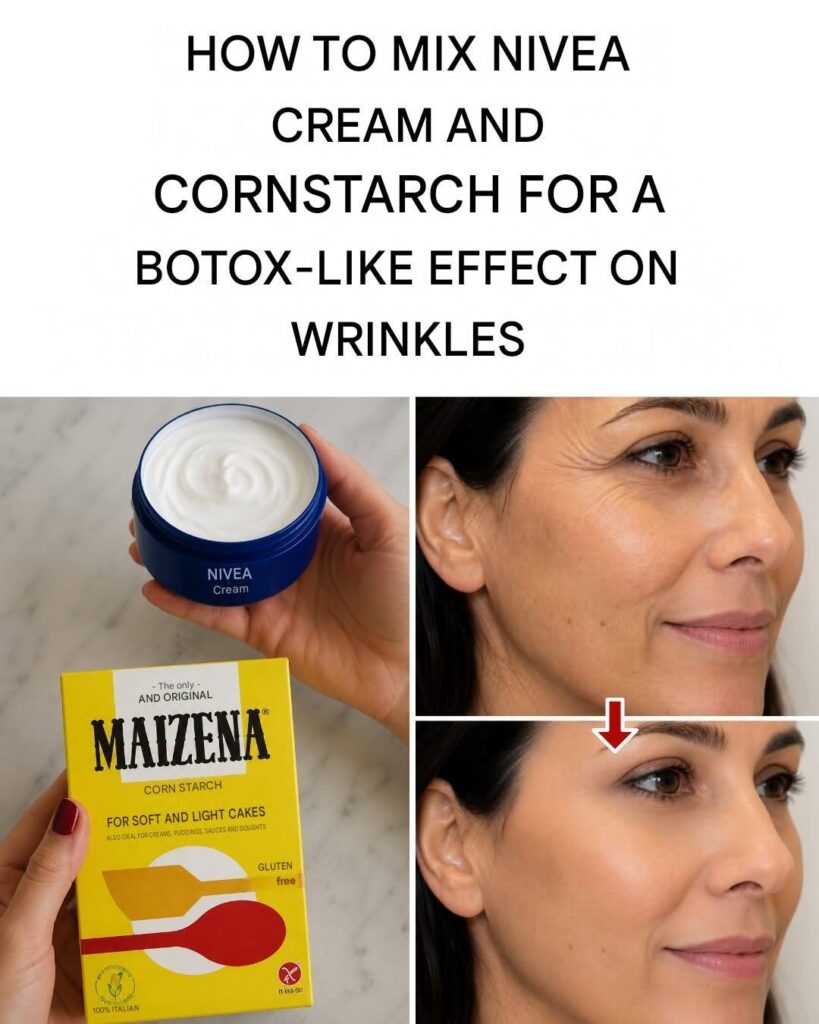
Nivea Cream and Cornstarch Mask to Rejuvenate Skin by 15 Years

Nivea cream is undoubtedly one of the most well-known and widely used in the world. However, there are some simple tricks that can enhance its effectiveness to rejuvenate facial skin and shave off a few years.

Skin& Nail Care

This is the case with  cornstarch , a natural product known to lovers of natural cosmetics. Read on to learn how to make a Nivea cream and cornstarch mask .

Mask ingredients:

1 tablespoon of  corn starch
1 tablespoon of Nivea cream
3 capsules of  vitamin E

Pour all the ingredients into a clean, dry glass container: the tablespoon of cornstarch, the tablespoon of Nivea cream, and the contents of the 3 vitamin E capsules (available at herbalist’s shops or pharmacies).

Food

Mix the three ingredients well until you obtain a smooth mixture with a creamy consistency.

continued on the next page’

Read more

If you have this leaf in your garden, you actually have gold without realizing it. To keep receiving my recipes, just say something… Thank you!

Euphorbia hirta (“Asthma Weed”): What Science Says About This Traditional Medicinal Plant

For generations, Euphorbia hirta, often called asthma weed, has been used in traditional medicine across Asia, Africa, and Latin America. Herbal practitioners have historically prepared teas, poultices, and extracts from this small plant to support respiratory health, digestion, skin care, and overall wellness.

Modern researchers have begun studying its naturally occurring compounds, including flavonoids, tannins, phenolic compounds, and other plant chemicals. While early laboratory and animal studies have shown promising biological activity, human clinical research remains limited, and there is currently insufficient evidence to recommend Euphorbia hirta as a treatment for asthma or other medical conditions.

This article explores its traditional uses, current scientific understanding, and important safety considerations.


What Is Euphorbia hirta?

Euphorbia hirta is a small flowering herb commonly found in tropical and subtropical regions.

It has been traditionally used in herbal medicine for a variety of purposes, particularly to support:

  • Respiratory comfort
  • Digestive health
  • Skin care
  • Urinary health
  • General wellness

The plant contains naturally occurring compounds such as:

  • Flavonoids
  • Polyphenols
  • Tannins
  • Saponins
  • Alkaloids

Researchers continue investigating how these compounds may contribute to its biological activity.


Why Is It Called “Asthma Weed”?

The nickname “asthma weed” comes from its long history of traditional use for respiratory symptoms such as coughing and wheezing.

However, there is currently no high-quality clinical evidence demonstrating that Euphorbia hirta can treat or prevent asthma.

People with asthma should continue following their prescribed treatment plans and should never replace inhalers or other medications with herbal remedies without medical supervision.


Potential Benefits Being Studied

Research into Euphorbia hirta is ongoing. Most evidence currently comes from laboratory studies, animal research, or traditional medicine rather than large human clinical trials.


1. May Support Respiratory Comfort

Traditional herbal medicine has long used Euphorbia hirta for coughs and respiratory discomfort.

Some laboratory studies suggest compounds in the plant may have bronchodilator and anti-inflammatory activity, but more human research is needed.


2. Provides Antioxidant Compounds

The plant contains flavonoids and phenolic compounds that help protect cells from oxidative stress in laboratory studies.

Antioxidants play an important role in supporting overall health.


3. May Support Digestive Health

Traditionally, Euphorbia hirta has been used for digestive complaints such as diarrhea and stomach discomfort.

Some preliminary studies have investigated its antimicrobial and antispasmodic properties, although clinical evidence remains limited.


4. Shows Antimicrobial Activity in Laboratory Research

Laboratory studies suggest extracts of Euphorbia hirta may inhibit the growth of certain bacteria and fungi under experimental conditions.

These findings do not mean the plant has been proven to treat infections in humans.


5. May Support Skin Health

Traditional healers have sometimes applied crushed leaves externally to minor skin irritations.

Because the plant’s milky sap may irritate the skin, topical use should be approached cautiously.


6. May Have Anti-Inflammatory Properties

Animal and laboratory studies have investigated compounds that may influence inflammatory pathways.

More human studies are necessary before drawing firm conclusions.


7. May Promote Urinary Health

Traditional medicine has used Euphorbia hirta as a mild diuretic.

Increasing urine output does not “detoxify” the body, but adequate hydration supports normal kidney function.


8. May Support General Wellness

Like many medicinal plants, Euphorbia hirta contains multiple naturally occurring plant compounds that researchers continue to investigate for potential health applications.


Traditional Uses Around the World

Different cultures have historically used Euphorbia hirta for:

  • Coughs
  • Mild respiratory discomfort
  • Digestive complaints
  • Minor skin problems
  • Urinary support
  • General wellness

Traditional use alone does not establish effectiveness, but it often inspires modern scientific research.


How Is Euphorbia hirta Traditionally Prepared?

Several traditional preparations exist.

Herbal Tea

Traditionally prepared by steeping a small amount of dried leaves in hot water for several minutes.

Because there is no standardized therapeutic dose, consult a qualified healthcare professional before using medicinal herbs regularly.


External Poultice

Fresh leaves have traditionally been crushed and applied externally to the skin.

Because the plant’s latex can cause irritation, patch testing is important.


Commercial Herbal Supplements

Capsules, extracts, and tinctures are available in some regions.

Quality and concentration vary considerably among products.

Read more

error: Content is protected !!