My grandmother always had a batch of this simmering on the back burner for holiday lunches. It was the only way she could get the kids to ask for seco

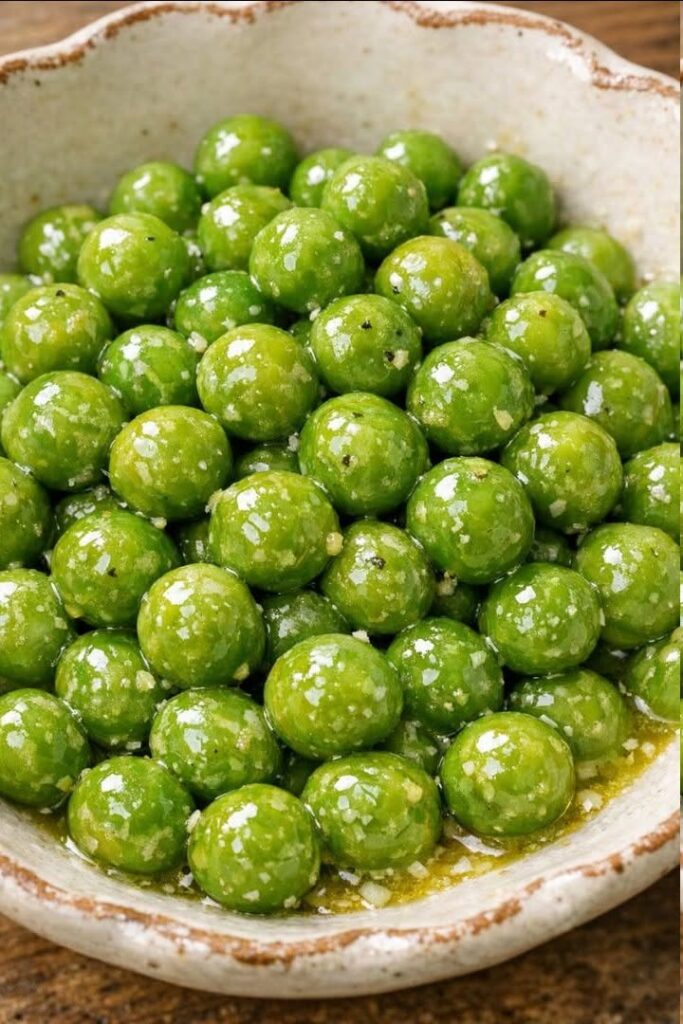
This 3-ingredient buttered sweet peas recipe is my streamlined take on the kind of dish that always seemed to be quietly bubbling away on my grandmother’s back burner during the holidays. It’s simple, kid-friendly, and surprisingly comforting—the peas turn tender and sweet, and the  butter melts into a rich, glossy sauce that coats every bite.

Major Kitchen Appliances

If you’re juggling work, kids, and a busy kitchen, this is the kind of low-effort side that practically makes itself while you focus on the rest of dinner, yet still feels special enough for a holiday table.

Recipe creation tool

Small saucepan of  buttery sweet peas on a home stove

Serve these buttered sweet peas warm in a vintage-style bowl or any small serving dish, with a spoon so everyone can help themselves. They pair perfectly with roast chicken, turkey, ham, or meatloaf, and they’re great alongside mashed potatoes, scalloped potatoes, or buttered egg noodles to soak up that glossy butter sauce.

For a lighter meal, add them to a plate of baked salmon and rice, or spoon them over toasted  bread or baked potatoes for an easy, cozy lunch.

3-Ingredient Buttered Sweet Peas


Discover more
Fruits & Vegetables
Baked Goods
slow cooker


Servings: 4

Flora & Fauna

Ingredients

3 cups frozen sweet peas

4 tablespoons unsalted butter
1/2 cup low-sodium chicken broth (or water)
Frozen peas, butter, and broth measured on a kitchen counter
Directions

Read more

Laundry as white and pure as milk: you only need this ingredient

Getting a pure white laundry is what you want to see once the washing program with the washing machine is finished. There are many ingredients to use, but one in particular can surprise for its effectiveness.

white laundry

There is nothing more difficult than keeping your white clothes as bright as day one!

If we want white shirts to look pristine and not fade, we can’t just throw the whites in the wash. Instead, we’ll have to spend a few minutes treating the stains.

How to protect white laundry

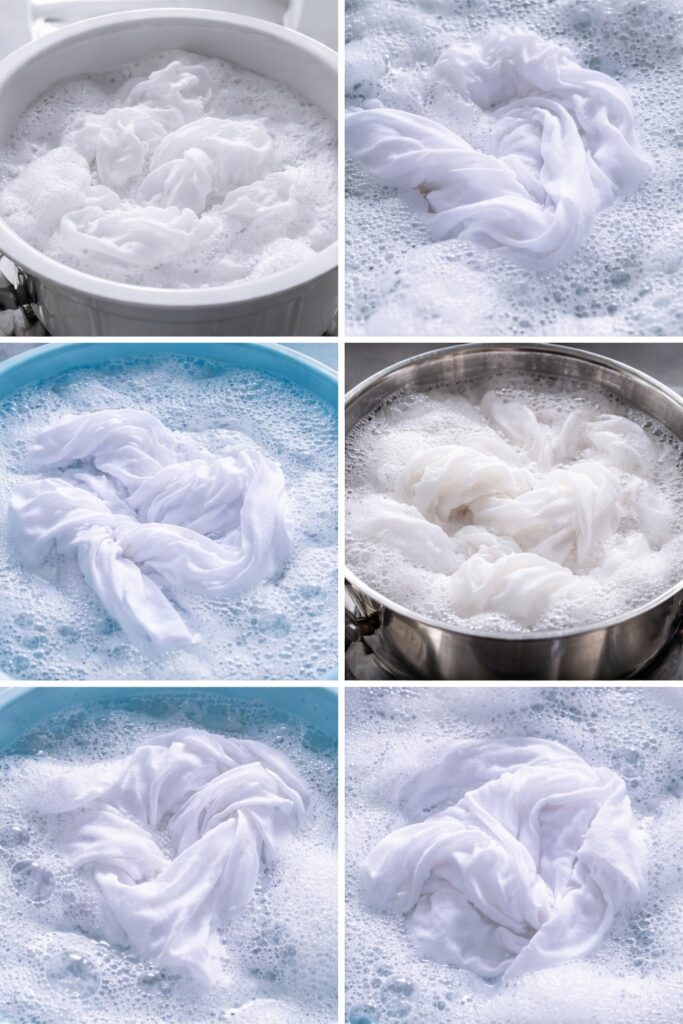
In order for a white shirt to recover its good appearance and make its whiteness last longer, some tricks come in handy that show how to wash laundry and white clothes with some simple tricks to wash both by hand and in the washing machine and make them look perfect.

Before starting the wash, you will need all the equipment that allows us to remove stains from stained clothes , for which you need a basin and laundry detergent. But first of all, you have to separate the white clothes from the rest.


Read more

Most People Can’t Spot The Difference Between These, But It’s Really Important

In a world overflowing with choices, it’s easy to overlook the nuances of everyday products. But what if those details held the key to understanding deceptive practices that could impact our trust in major brands? One such case has come to light in the spice industry, where a clash between the renowned McCormick & Co.

and the challenger Watkins Inc. has raised questions about honesty, transparency, and consumer protection. At the center of this controversy is something as seemingly simple as ground pepper containers—but the implications are far-reaching.

An Incurable Pepper Tin Scandal

McCormick, a household name in spices, has recently faced accusations of deceptive practices concerning its ground pepper tins. According to Watkins Inc., McCormick has been quietly reducing the quantity of pepper in its containers by a staggering 25%, while maintaining the same packaging size. Previously, McCormick’s tins contained around 8 ounces of ground pepper. Now, however, these tins hold only 6 ounces—a significant decrease disguised by the unchanged appearance of the packaging.

Watkins, a competitor in the spice market, has sounded the alarm about this issue, claiming that McCormick’s opaque containers create an illusion of more pepper than they actually hold. This, Watkins argues, misleads consumers into believing they are getting a better deal. In contrast, Watkins has adopted transparent labeling and smaller containers that accurately reflect the product’s quantity. Watkins contends that McCormick’s actions violate consumer protection laws and undermine fair competition.

The Advertising Divide

This dispute has shone a light on the stark differences in marketing strategies employed by the two companies. McCormick relies on opaque containers that obscure the actual quantity of pepper inside, while Watkins takes a more straightforward approach with clear and honest labeling. According to Watkins, McCormick’s opaque packaging constitutes a deliberate attempt to mislead consumers. This, Watkins argues, is a textbook example of deceptive advertising.

Read more

What Happens When You Eat Walnuts Every Day: Doctors Explain the Remarkable Health Benefits

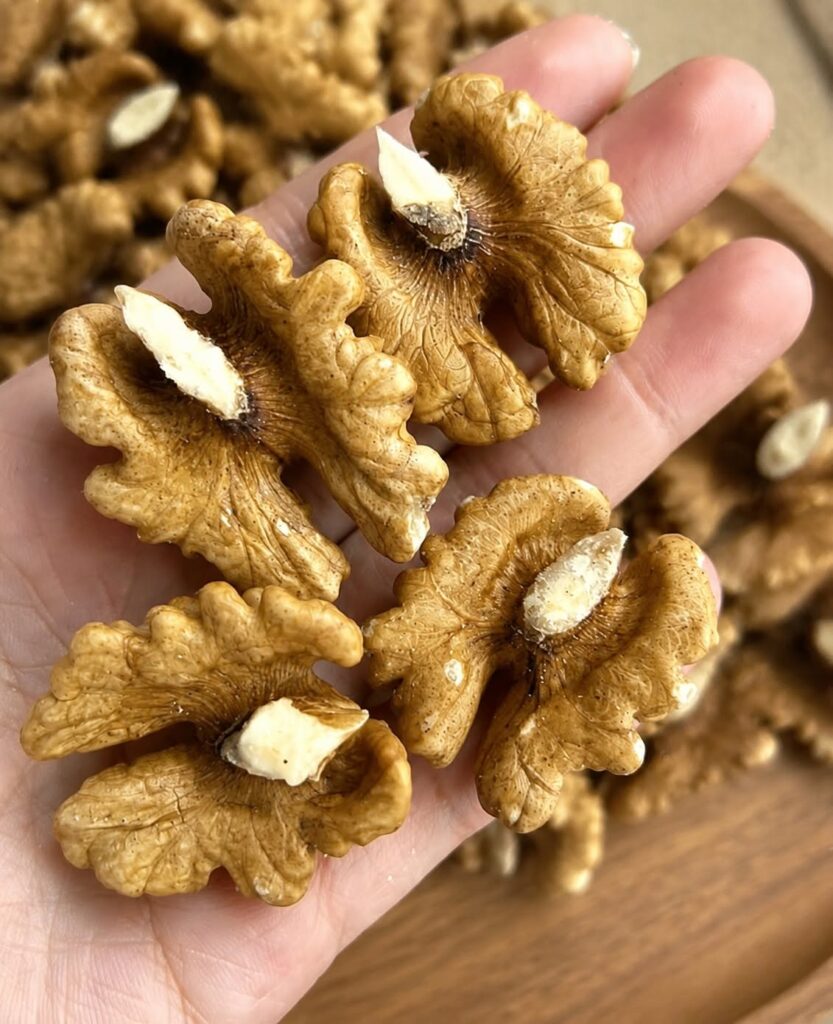
When it comes to improving health through food, few ingredients are as mighty as the humble walnut. These small, brain-shaped nuts are more than just a crunchy snack — they’re a rich source of nutrients that support the heart, brain, and body in countless ways. Doctors and nutrition experts agree that making walnuts part of your daily diet can have a lasting, positive impact on your overall well-being.

Here’s what science reveals about the extraordinary health benefits of walnuts and how to easily enjoy them in your everyday meals.

1. A Natural Ally for Heart Health
Walnuts are one of nature’s most heart-protective foods. They’re packed with omega-3 fatty acids, especially alpha-linolenic acid (ALA), which plays a vital role in keeping your cardiovascular system healthy.

Research has shown that ALA helps lower inflammation, reduces “bad” LDL cholesterol, and improves the flexibility of blood vessels — all key factors in preventing heart disease. In fact, people who regularly include walnuts in their diet often have a lower risk of developing heart disease or stroke.

Just a small handful each day can make a difference for anyone looking to maintain strong heart function and balanced cholesterol levels.

2. A Powerful Source of Antioxidants
Few foods can compete with walnuts when it comes to antioxidant content. They contain vitamin E, melatonin, and plant compounds known as polyphenols — all of which work together to fight oxidative stress.

Oxidative stress happens when free radicals damage cells, contributing to aging and chronic conditions such as heart disease and certain metabolic issues. By neutralizing these harmful molecules, antioxidants from walnuts protect your cells and support long-term vitality.

Regular consumption may even help your skin stay healthier and more resilient over time, thanks to these natural defense compounds.

3. Brain Food Backed by Science

Continued on next page:

Read more

Clove Tea Recipe and Benefits

Clove Tea Recipe and Benefits: A Natural Wellness Drink for Immunity, Digestion, and Weight Loss

Clove tea is a soothing herbal drink made from aromatic cloves, a powerful spice known for its antioxidant and anti-inflammatory properties. This warm detox tea is popular in natural wellness routines because it may support digestion, improve immunity, freshen breath, and promote relaxation. Many people also enjoy clove tea as a healthy metabolism booster and caffeine-free herbal remedy during cold weather or seasonal changes.

Ingredients

2 cups water

1 teaspoon whole cloves

1 small cinnamon stick

1 teaspoon fresh grated ginger

1 teaspoon honey

1 tablespoon fresh lemon juice

Optional: mint leaves or orange slices for extra flavor

Read more on the next page >>

To see the complete cooking instructions, go to the next page or click the Open (>) button and don’t forget to SHARE it with your friends on Facebook.

Read more

Natural Remedies for Earache and Ear Infections: Safe Ways to Find Comfort at Home

That sharp, throbbing pain in your ear can strike without warning, turning an ordinary day into a miserable one. It disrupts sleep, makes concentration difficult, and leaves you feeling drained and irritable—especially when the discomfort lingers or worsens with every swallow or yawn.

Recipecreation tool

For many people, ear pain stems from common issues such as colds, congestion, minor inflammation, or fluid buildup. While it often improves on its own, the waiting period can feel endless.

The good news? Some gentle, time-tested home approaches may help ease discomfort and promote relaxation while your body does its healing work. In this guide, we’ll explore practical options supported by trusted sources such as the Cleveland Clinic, Healthline, and Mayo Clinic. We’ll also highlight one surprisingly simple method that many people overlook.

Why Ear Discomfort Happens—and When Home Support Can Help

Ear pain or pressure frequently arises from fluid buildup, congestion, or inflammation in the outer or middle ear. Colds, allergies, and even swimming can trigger these issues, creating that familiar ache.

Research from reputable institutions shows that many mild cases resolve naturally within a few days to a week. During that time, managing symptoms becomes essential for comfort.

These home strategies focus solely on easing discomfort—they are not a substitute for medical care. If symptoms are severe, include high fever, discharge, hearing changes, or last more than a couple of days, consult a healthcare provider promptly.

Option 1: Warm Compress – A Simple, Soothing First Step

Few things feel as instantly comforting as gentle heat when your ear throbs. Warmth can improve circulation, relax surrounding muscles, and reduce the sensation of pressure.

How to try it:

  • Soak a clean washcloth in warm (not hot) water and wring out the excess.

  • Fold it and gently hold it against the affected ear for 10–20 minutes.

  • Repeat several times a day as needed.

For additional relief, you may alternate with a cool compress if swelling feels prominent.

Option 2: Warm Garlic-Infused Oil – A Traditional Soothing Method

Garlic has long been valued in traditional practices for its natural compounds, and some small studies suggest it may have mild pain-relieving properties when used carefully.

One small clinical trial found that naturopathic drops containing garlic provided similar relief to over-the-counter ear drops for children’s discomfort. However, experts caution that ear drops may not reach deeper middle-ear infections because of the eardrum barrier.

To prepare safely:

  • Crush 1–2 fresh garlic cloves.

  • Gently warm them in 2 tablespoons of olive oil over low heat for 2–3 minutes (do not boil).

  • Strain out the solids and allow the oil to cool to lukewarm (test on your wrist first).

  • Lie on your side and apply 1–2 drops into the outer ear canal only.

  • Remain still for a few minutes, then allow excess oil to drain.

Stop immediately if irritation occurs. Never use this method if you suspect a perforated eardrum.

Option 3: Diluted Apple Cider Vinegar – Support for Outer Ear Irritation

🔥 Continue Reading 👇 Next Page

Read more

Place a Tablespoon on Any Plant at Home: What to Expect

The idea of placing a tablespoon of various substances on your plants can yield different results—some beneficial and others potentially harmful. Here’s a breakdown of what might happen based on what you use:

1. Water

  • Result: A tablespoon of water is unlikely to harm your plant but won’t provide substantial hydration. It may only slightly moisten the surface soil, which is generally insufficient for most plants.

2. Coffee Grounds

  • Result: Moderate amounts can enrich soil with nitrogen, benefiting acid-loving plants like azaleas. However, excessive use can lead to overly acidic soil, which could harm the plants.

3. Sugar

  • Result: Not recommended. Sugar can attract pests like ants and promote mold growth, leading to unhealthy conditions for your plants.

4. Mild Dish Soap

  • Result: A small amount can help control pests like aphids, but too much can interfere with leaf respiration and sunlight absorption, potentially damaging the plant.

5. Milk

Result: Can treat fungal infections like powdery mildew if diluted properly. However, undiluted milk may promote bacteria growth, leading to odors and unhealthy conditions.

Continued on next page

Read more

Why Growing Your Own Vegetables Feels Like a Small Act of Rebellion

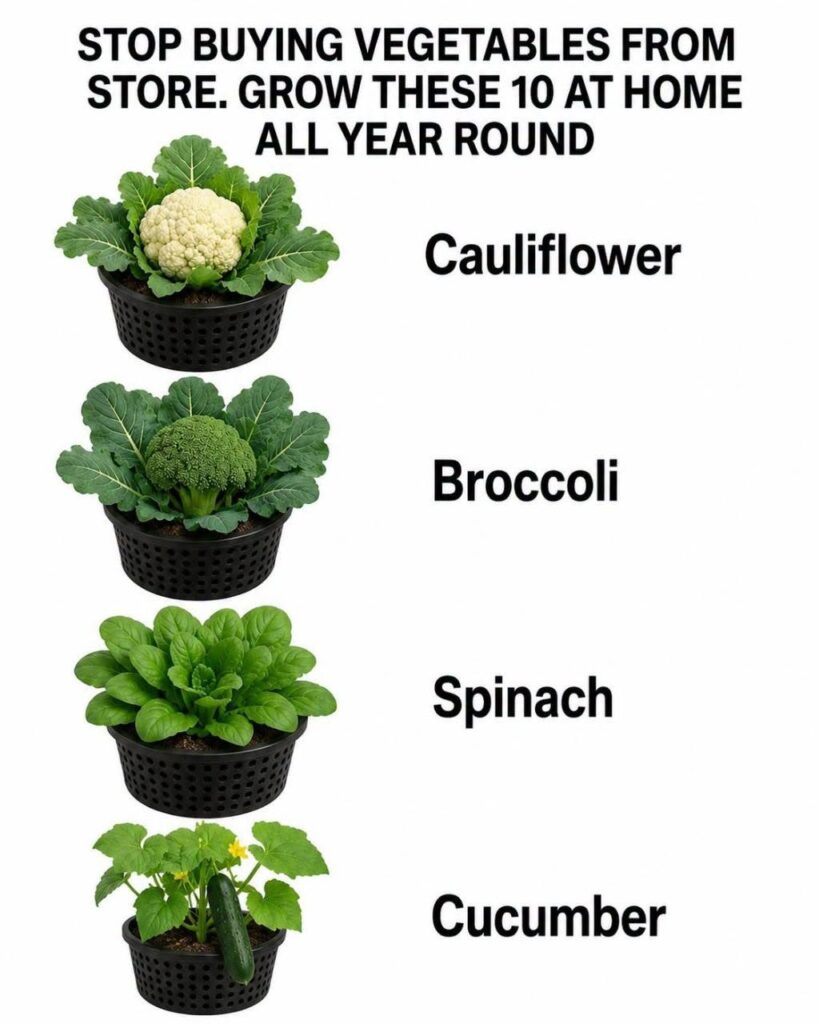
There’s something deeply comforting about stepping into your kitchen and knowing the food in front of you came from your own hands. Not perfect hands—just willing ones. Growing vegetables at home isn’t about chasing some picture-perfect homestead fantasy. It’s about control, peace of mind, and yes, better flavor.

When you grow your own produce, you decide what touches it. No mystery sprays. No questionable residues. Just  soil, water, light, and time. Honestly, that alone feels worth the effort.

Getting Organic Produce

There’s also the quiet math of it all. Seeds are inexpensive. Buckets and baskets are often already sitting in the garage. Over a season, grocery bills soften around the edges. Not dramatically—but enough to notice.

And then there’s the part nobody sells very well:  gardening slows you down. It asks you to pay attention. To notice a new leaf. To check moisture with your fingers. That simple routine lowers your shoulders after a long day. It moves your body gently. It steadies your mind. You know what? That matters.

Discover more
dirt
Rice
Buying Geology Supplies

 Gardening Basics Without the Overwhelm
Let me explain this the simplest way I know.

Exploring Gourmet Foods

Vegetables need three things to behave themselves: light, water, and decent soil.

Most edible plants want about six hours of sunlight. More is fine. Less can work, but expectations need adjusting. A bright window, a sunroom, or a spot near a sliding door often does the job better than people think.

Watering is about rhythm, not precision. Containers dry out faster than garden beds, especially indoors. Stick a finger into the soil. If it feels dry an inch down, water. If not, wait. Plants appreciate consistency more than fussing.

Soil

Discover more
food
Cooking
rice

Soil matters more than beginners expect. Regular yard dirt compacts in containers and suffocates roots. A good potting mix stays loose, drains well, and feeds plants gently over time. It’s worth buying.

Organizing Home Storage

The Tools You’ll Actually Use (And the Ones You Won’t)
Gardening doesn’t require a shed full of gear. It just doesn’t.

Here’s what earns its keep:

Containers with drainage holes

Discover more
food
gardening
dirt

Potting mix

Growing Indoor Plants

Seeds or small starter plants

A watering can or spray bottle

Gloves (unless you enjoy dirt under your nails—and I sometimes do)

Grow lights help if sunlight is skimpy. A small fan improves airflow and keeps mold at bay. Fertilizer matters, but lightly. Think steady snacks, not heavy meals.

Discover more
Identifying Local Wildlife
Rice
Gardening

Everything else? Optional. Gardening has a way of teaching restraint.

Getting Organic Produce

Containers: Buckets, Baskets, and a Little Ingenuity
Buckets and laundry baskets work because they’re forgiving. They move easily. They’re affordable. They don’t judge mistakes.


For Complete Cooking STEPS Please Head On Over To Next Page Or Open button (>) and don’t forget to SHARE with your Facebook friends

Read more

Just 1 Cup Makes Peace Lily Bloom Like Crazy (Even the Ugly Ones)

Just 1 Cup Makes Peace Lily Bloom Like Crazy (Even the Ugly Ones)

If you’re new to growing Peace Lilies and struggling to get them to flower or stay healthy, this simple homemade solution can make a big difference. This natural fertilizer uses a basic kitchen ingredient—uncooked rice—and it’s especially helpful for recently purchased Peace Lilies or those that haven’t bloomed in a while.

Ingredientdelivery service

Why Rice Water?

Rice water is a powerful, natural fertilizer. It’s rich in essential nutrients such as potassium, calcium, magnesium, and boron. These elements are crucial for plant development and are particularly beneficial for Peace Lilies. They help strengthen the plant’s structure, promote vibrant green foliage, and encourage more frequent and abundant blooming.

How to Make and Apply the Rice Water Fertilizer:

Ingredients:

  • 1 cup (approx. 180 ml) of raw, uncooked rice (any variety)

  • 2 liters of chlorine-free water

  • A blender

  • A strainer or fine mesh sieve

  • A container for watering

Instructions:


Read more

error: Content is protected !!