
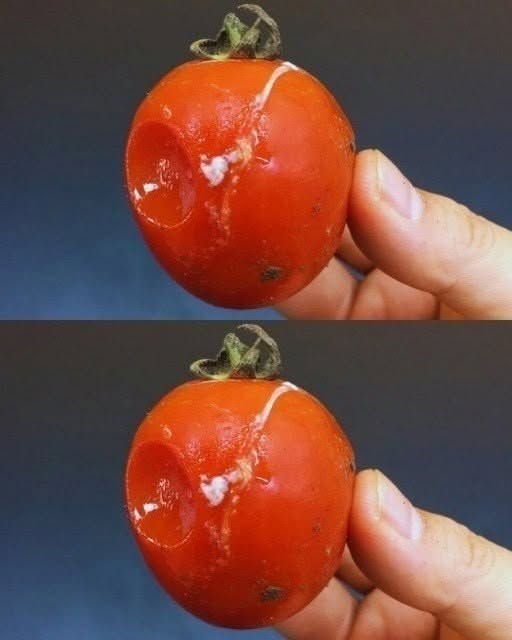
How to Use Overripe Tomatoes: 7 Easy Ideas
Have you ever opened the refrigerator and found a few tomatoes that are soft, wrinkled, bruised, or much riper than you intended? Before throwing them away, take a closer look.
Overripe does not always mean spoiled.
A tomato that has become very soft but still smells fresh, has no mold, and shows no signs of decay can often be transformed into a delicious cooked dish. In fact, very ripe tomatoes can be especially useful in recipes where texture is less important because they break down quickly and release plenty of juice and flavor.
However, there is one important distinction: a very ripe tomato is not the same thing as a rotten or moldy tomato. Soft, high-moisture produce such as tomatoes should be discarded if mold is present. USDA guidance specifically lists tomatoes among soft fruits and vegetables that should be discarded when moldy because contamination can extend below the visible surface.
So, before you decide what to do with your tomatoes, learn how to tell the difference between an overripe tomato that can still be used and one that belongs in the compost or trash.
Once you’ve made that distinction, there are plenty of delicious ways to give perfectly usable overripe tomatoes a second life.
Overripe vs. Rotten Tomatoes: Know the Difference
This is the most important part of learning how to use overripe tomatoes.
A tomato can become extremely soft as it ripens. Its skin may wrinkle, the flesh may become juicy, and it may no longer be pleasant to slice for a salad. That doesn’t automatically mean it has spoiled.
An overripe tomato may have:
- Very soft or squishy flesh
- Wrinkled skin
- A few superficial bruises
- Small damaged areas
- Very juicy flesh
- A stronger tomato aroma
- A deeper red color
- A texture that is too soft for slicing
If the tomato otherwise looks and smells normal, it may be suitable for cooking after removing damaged areas as appropriate.
The FDA recommends cutting away damaged or bruised areas from fresh produce before preparing or eating it, while produce that actually looks rotten should be discarded.
A tomato should be discarded if it has:
- Visible mold
- Fuzzy white, green, blue, or black growth
- A strong rotten or unpleasant odor
- Extensive decay
- Slimy or leaking deterioration associated with spoilage
- Signs of insects or other contamination
And don’t rely on cooking to “fix” a moldy tomato. USDA guidance says soft fruits and vegetables such as tomatoes should be discarded when moldy because mold can penetrate beneath the surface.
When in doubt, throw it out. Food waste is frustrating, but food safety comes first.
Why Overripe Tomatoes Are Great for Cooking
One reason overripe tomatoes are so useful is their texture.
A firm tomato is wonderful in salads, sandwiches, and fresh salsa because it holds its shape. A very ripe tomato, however, can break down almost immediately in a saucepan.
That makes it perfect for recipes where you’re already going to crush, chop, simmer, or blend the tomatoes.
Overripe tomatoes can add:
- Rich tomato flavor
- Natural sweetness
- Plenty of moisture
- A soft texture that cooks quickly
- Color to sauces and soups
- Freshness to homemade dishes
They can be especially useful when you’re making a quick tomato sauce on a busy evening.
7 Delicious Ways to Use Overripe Tomatoes
If you’re wondering how to use overripe tomatoes, start with these simple ideas.
1. Make a Quick Homemade Tomato Sauce
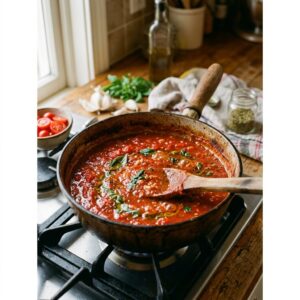
This is probably one of the easiest and most useful ways to rescue perfectly usable overripe tomatoes.
Because the tomatoes are already soft, they require less cooking time to break down.
Simple method
Continue on the next page