
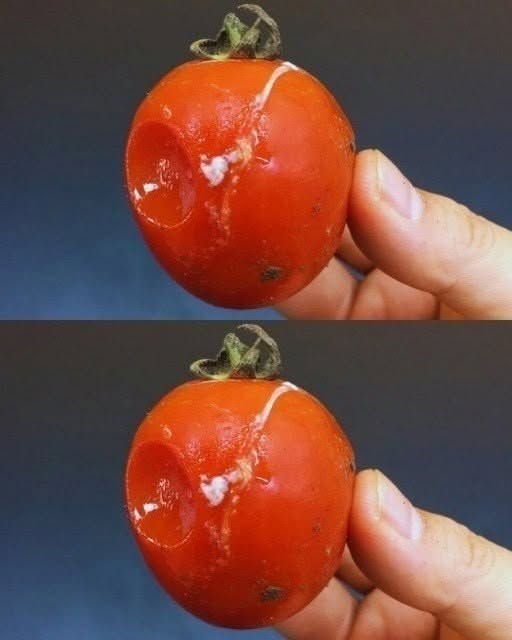
Don’t have enough tomatoes for a full batch of sauce? No problem.
Overripe tomatoes can be cooked down into a quick pizza topping.
Simply chop them and simmer with:
- Garlic
- Olive oil
- Oregano
- Basil
- Salt
- Black pepper
Cook until the mixture becomes thick enough to spread.
Let it cool slightly, then spread a thin layer over pizza dough or flatbread.
Add mozzarella, vegetables, chicken, or your favorite toppings and bake until golden and bubbling.
This is one of those simple kitchen tricks that can turn ingredients that were about to be wasted into something delicious.
6. Make a Tomato-Based Breakfast or Dinner
Very ripe tomatoes are excellent for dishes such as shakshuka.
Start by cooking onion, garlic, and peppers in olive oil. Add chopped tomatoes and season with paprika, cumin, salt, and black pepper.
Let the tomatoes simmer until you have a thick, flavorful sauce.
Make small wells in the sauce and add eggs. Cover the pan and cook until the eggs reach your preferred doneness.
Serve with warm bread for an easy breakfast, lunch, or dinner.
You can also add chickpeas, spinach, herbs, or crumbled cheese to make the dish more substantial.
7. Freeze Overripe Tomatoes for Later
If your tomatoes are still perfectly usable but you don’t have time to cook them today, freezing can be a practical option.
Wash the tomatoes, remove the stems, and dry them thoroughly.
Depending on how you plan to use them later, you can:
- Freeze them whole
- Chop them first
- Remove the cores
- Portion them into freezer-safe containers or bags
Frozen tomatoes will soften considerably after thawing, so they are best used in cooked dishes rather than salads.
They are excellent for:
- Tomato sauce
- Soup
- Stews
- Pasta dishes
- Curries
- Casseroles
This is a great way to reduce food waste without forcing yourself to cook everything immediately.
Can You Cut a Bad Spot Off a Tomato?
This depends on what you mean by a “bad spot.”
If the tomato has a small area of physical damage or bruising without mold, the damaged portion can be removed before preparation.
But if you see mold, don’t simply cut around it and use the rest.
Tomatoes are soft, high-moisture produce, and USDA guidance recommends discarding moldy tomatoes rather than trimming away the visible mold.
This is different from some firm, dense vegetables where a small mold spot may sometimes be trimmed according to food-safety guidance.
So remember:
Bruised or damaged ≠ automatically spoiled.
Moldy = discard.
Should You Wash Overripe Tomatoes?
Yes, if the tomato is still suitable for eating.
Wash your hands before handling fresh produce, then rinse the tomato thoroughly under running water before cutting it.
The FDA recommends washing fresh produce under running water and specifically says not to use soap or household detergent on fruits and vegetables.
If part of the tomato is damaged, remove the damaged area before eating or cooking.
Once the tomato has been cut, handle it as a perishable food and refrigerate it promptly if you’re not using it right away.
What About the Tomato Skin and Seeds?
You don’t have to remove either one unless a particular recipe calls for it.
Keep the skin when:
- Making rustic tomato sauce
- Cooking a chunky stew
- Making salsa
- Preparing soup that will be blended
- Adding tomatoes to casseroles
Remove the skin when:
- Making an especially smooth sauce
- Preparing a refined tomato soup
- Making certain tomato purées
The seeds are also completely usable. However, if your tomatoes are extremely watery, removing some of the seeds and liquid can help create a thicker sauce.
Does Cooking Tomatoes Change Their Lycopene?
Continue on the next page