
Buying a smaller quantity more frequently can reduce unnecessary waste.
5. Separate questionable tomatoes
If one tomato starts showing obvious spoilage, remove it from the rest and inspect the others.
Why You’ll Love Using Overripe Tomatoes
There are plenty of reasons to make the most of tomatoes that are simply past their ideal slicing stage.
They save money
Using food you already bought means fewer ingredients end up in the trash.
They add incredible flavor
Very ripe tomatoes can be juicy, sweet, and intensely tomato-forward.
They’re versatile
One batch can become sauce, soup, salsa, stew, or pizza topping.
They are perfect for simple meals
You don’t need complicated ingredients to turn ripe tomatoes into something delicious.
They reduce food waste
Finding practical ways to use food before it spoils is one of the easiest habits you can adopt in the kitchen.
Quick Ideas for Your Next Batch of Overripe Tomatoes
Still wondering how to use overripe tomatoes?
Here’s a quick cheat sheet:
| If your tomatoes are… | Try making… |
|---|---|
| Very ripe but firm enough to chop | Fresh salsa |
| Very soft and juicy | Tomato sauce |
| Soft and watery | Tomato soup |
| Very ripe with lots of flavor | Shakshuka |
| Too soft for slicing | Pizza sauce |
| More tomatoes than you can use | Freeze them |
| No longer edible | Compost, where appropriate |
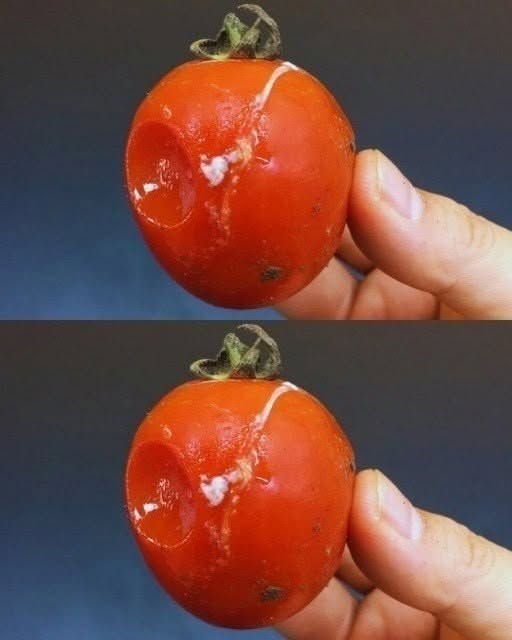
| Moldy | Discard |
This simple guide makes it easier to decide what to do instead of automatically throwing everything away.
Frequently Asked Questions
Can you eat very soft tomatoes?
A very soft tomato isn’t necessarily spoiled. If it has no mold, doesn’t have signs of decay, and otherwise appears suitable for eating, it may be used in cooked recipes. However, if it is moldy or clearly rotten, discard it.
Can you eat tomatoes with mold?
No. USDA guidance recommends discarding moldy soft fruits and vegetables such as tomatoes because contamination can extend below the visible surface.
What is the best way to use overripe tomatoes?
Tomato sauce is one of the easiest options. You can also make soup, salsa, shakshuka, stews, casseroles, or pizza sauce.
Can you freeze overripe tomatoes?
Yes, if they are still safe and suitable for eating. Frozen tomatoes become soft after thawing, so they’re best used in cooked dishes.
Can I cut mold off a tomato?
It’s not recommended. Tomatoes are soft, high-moisture produce, and USDA guidance says to discard moldy tomatoes rather than cutting away the visible mold.
Are overripe tomatoes good for sauce?
Absolutely. Their soft texture allows them to break down quickly, and their ripe flavor can make a delicious base for homemade sauce.
Can overripe tomatoes go into compost?
If they are no longer suitable for eating, tomatoes can generally be included in a suitable composting system. Follow the requirements of your local composting program or home composting method.
Can you use overripe tomatoes for pizza sauce?
Yes. Cook chopped ripe tomatoes with garlic, olive oil, herbs, salt, and pepper until thick, then use the sauce as a pizza base.
Final Thoughts: Don’t Waste a Good Tomato
The next time you find a tomato that looks too soft for your salad bowl, don’t automatically throw it away.
Take a moment to inspect it.
If it’s simply very ripe, soft, wrinkled, or bruised but still sound, you have plenty of delicious options. Turn it into a rich tomato sauce, blend it into soup, add it to a stew, make a quick salsa, cook a pan of shakshuka, or freeze it for later.
But if the tomato has visible mold or obvious spoilage, don’t try to rescue it by cutting around the bad area. With soft produce such as tomatoes, food safety is more important than avoiding a small amount of waste.
And remember: overripe and rotten are not the same thing.
Learning that difference can help you waste less food while making better use of the ingredients you already have.
So before tossing those soft tomatoes, check them carefully. If they’re still good, your next homemade sauce, soup, or comforting dinner may already be sitting in your kitchen.