
A Simple Daily Nail-Care Routine
Morning
Apply moisturizer to your hands, nails, and cuticles. Keep the nails trimmed and check for rough edges that might catch during the day.
During the Day
Reapply cream after handwashing. Wear gloves for dishes, cleaning, gardening, and prolonged water exposure. Use proper tools instead of the tips of your nails.
Evening
Wash and dry your hands gently. Apply a thicker cream or ointment around each nail. If your skin tolerates it, cotton gloves can help keep the moisturizer in place overnight.
Consistency is more useful than applying a large amount of product occasionally.
Common Mistakes That Can Make Brittle Nails Worse
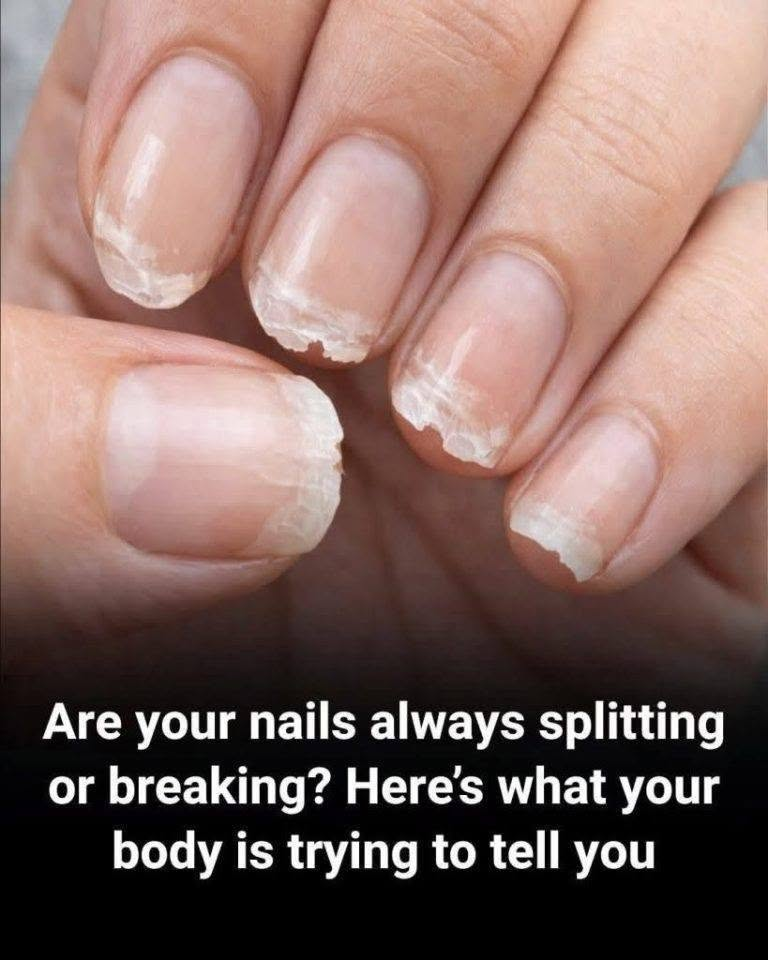
Peeling Off Loose Layers
A small peeling section can extend farther down the nail when pulled. Clip or file away only the detached tip carefully.
Covering Every Change With Nail Polish
Polish may hide discoloration or damage that should be monitored. If a nail has changed suddenly or looks infected, leave it visible and arrange an assessment.
Applying Undiluted Home Remedies
Lemon juice, vinegar, essential oils, baking soda, and other concentrated household ingredients may irritate the skin or dry the nails. They are not proven cures for an undiagnosed nail disorder.
Taking Several Supplements at Once
More is not always better. Excessive supplementation may cause side effects, interact with medications, or interfere with laboratory testing. Ask a clinician whether testing is needed before beginning high-dose products.
Treating a Suspected Fungus Without Confirmation
Nail fungus can require months of appropriate treatment, and not every abnormal nail is fungal. A clinician may examine or test a sample before recommending medication.
When Should You See a Doctor?
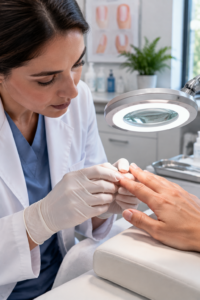
Arrange a medical appointment if:
- The nail changes appeared suddenly without an obvious cause
- Several nails are becoming increasingly brittle
- The problem persists despite careful protection
- A nail becomes painful, swollen, warm, or red
- There is pus, bleeding, or an unpleasant odor
- A nail separates from the nail bed
- Nails become thick, yellow, green, brown, or unusually dark
- A new dark streak develops under a nail
- The surrounding skin is inflamed or scaly
- You also have fatigue, weakness, breathlessness, hair loss, unexplained weight changes, or sensitivity to cold
- You have diabetes, poor circulation, or a weakened immune system
Seek prompt medical advice for a dark mark that is new, changing, widening, or extending onto the surrounding skin. Although injuries commonly cause blood beneath a nail, unexplained pigmentation needs professional assessment.
Can Splitting Nails Be Repaired?
A superficial split at the free edge can sometimes be trimmed and filed to prevent snagging. Keeping it protected may allow the damaged portion to grow out.
A deep or painful split should not be glued shut with household adhesive. Products not intended for skin can cause irritation, burns, or further injury. If the split extends into the attached nail, continues bleeding, or resulted from a significant injury, seek professional care.
Frequently Asked Questions
What vitamin am I lacking if my nails split?
There is no single deficiency that explains every case. Iron deficiency and some other nutritional problems can affect nails, but environmental exposure and repeated trauma are common causes. Testing should be based on your full medical picture, not nail appearance alone.
Does low calcium cause brittle nails?
Brittle nails alone do not prove low calcium. Do not begin high-dose calcium supplements solely because your nails are peeling. A clinician can determine whether dietary changes, testing, or supplementation are appropriate.
Can dehydration make nails break?
Severe dehydration affects the body in many ways, but drinking excessive water is not a specific treatment for brittle nails. Regular moisturizing and reducing repeated wet-dry cycles often have a more direct effect on dry nail plates.
Does nail polish cause splitting?
Occasional polish use may not cause problems for everyone. However, frequent remover use, peeling off polish, gel removal, acrylic treatments, and aggressive buffing may weaken or dry the nails.
Should I use a nail hardener?
Some people find a protective coating helpful, while certain hardeners may make already brittle nails too rigid. Follow the instructions, stop if irritation occurs, and ask a dermatologist for guidance if the damage persists.
How long will it take for my nails to improve?
You may notice stronger new growth after several weeks, but full replacement of a fingernail takes months. Continued exposure or an untreated medical condition may delay improvement.
Can stress cause splitting and breaking nails?
Stress may indirectly affect nail care habits, nutrition, skin conditions, or nail picking. Major illness or physical stress can also temporarily disrupt nail growth, but a healthcare professional should assess significant or unexplained changes.
Can brittle nails be caused by a fungal infection?
Yes, but fungal nails often show additional changes such as thickening, crumbling, discoloration, or separation. Because several conditions can resemble fungus, diagnosis may require professional examination or testing.
Final Thoughts
Splitting and breaking nails are frustrating, but they are not automatically evidence of a vitamin deficiency or internal disease. Repeated exposure to water, detergents, polish remover, manicures, and physical trauma are frequent causes.
Start with gentle care: keep nails short, moisturize consistently, wear protective gloves, stop using your nails as tools, and avoid picking at damaged layers. Give the healthier nail time to grow.
If the changes persist, worsen, cause pain, or appear alongside other symptoms, consult a doctor or dermatologist. A professional assessment is safer and more accurate than relying on a viral photograph or attempting to diagnose yourself from nail appearance.