
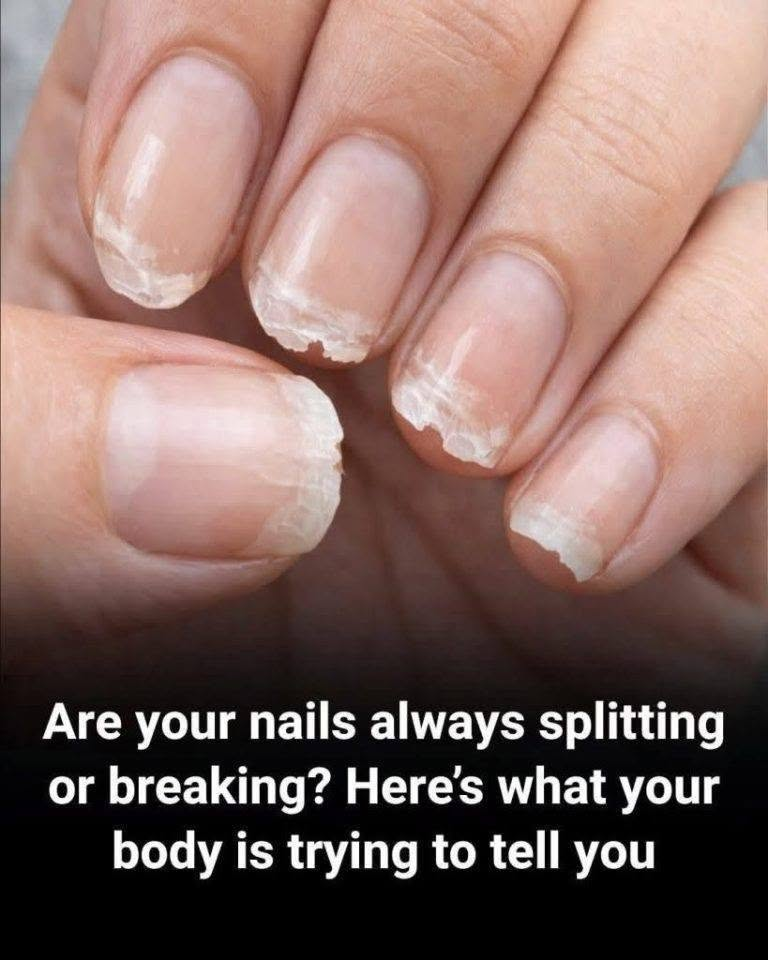
Common Causes of Splitting and Breaking Nails
1. Repeated Wetting and Drying
Nails absorb water and expand. As they dry, they contract again. Repeating this cycle throughout the day can weaken the layers of the nail plate and encourage peeling.
Frequent handwashing may be unavoidable for healthcare workers, food-service workers, cleaners, caregivers, and parents. The goal is not to avoid necessary hygiene but to moisturize afterward and protect your hands during prolonged wet work.
2. Household Cleaning Products
Detergents, degreasers, bleach solutions, and other cleaning products can strip moisture from the nails and surrounding skin. Direct and repeated exposure may leave nails dry, rough, and more likely to split.
Wear protective gloves according to the product instructions and never mix cleaning chemicals.
3. Nail Polish Remover and Harsh Treatments
Frequent use of strong polish remover—particularly acetone—can dry the nail surface. Gel removal, acrylic nails, aggressive buffing, and scraping away polish can also remove or weaken the nail’s upper layers.
An occasional manicure does not necessarily cause lasting damage, but repeated treatments without recovery time may contribute to splitting and breaking nails.
4. Physical Trauma
Using your fingernails to open containers, remove labels, scrape surfaces, or pry objects apart places concentrated pressure on the tips. Nail biting, picking, and pulling at peeling layers can make a small split much worse.
Even minor repeated trauma from typing, instruments, crafts, or work equipment may affect nails over time.
5. Dry Air and Cold Weather
Cold outdoor air and heated indoor environments can reduce moisture in the nails and skin. Some people therefore notice more peeling and breakage during autumn and winter.
Applying a thick, fragrance-free moisturizer after washing and before bed can help reduce this dryness.
6. Age-Related Changes
Nail growth and texture can change naturally with age. Fingernails may become thinner, drier, or more ridged, while toenails often grow thicker.
Age-related changes are common, but new or dramatic changes should not automatically be dismissed as aging.
7. Skin and Nail Conditions
Eczema, psoriasis, lichen planus, and fungal infections may alter nail strength, color, thickness, or attachment. A fungal infection is more likely to cause thickening, crumbling, discoloration, or debris beneath the nail than simple peeling at the tip, although appearances vary.
Do not treat every brittle nail with an antifungal product. Testing may be needed because trauma, psoriasis, and fungal infections can look similar.
8. Certain Health Conditions
In some cases, persistent nail changes can occur alongside:
- Iron-deficiency anemia
- Thyroid disorders
- Circulatory problems
- Chronic inflammatory skin conditions
- Nutritional deficiencies
- Conditions that affect nutrient absorption
This does not mean that brittle nails confirm any of these conditions. Your clinician will consider other symptoms, your medical history, medications, diet, and examination findings before deciding whether tests are appropriate.
For a helpful overview of common nail changes and when to seek advice, see the NHS guide to nail problems.
9. Medications and Medical Treatment
Some medications and treatments can affect nail growth, texture, or color. If nail changes began after starting a medicine, do not stop taking it independently. Ask your doctor or pharmacist whether the change could be related and what care is appropriate.
Nine Effective Ways to Protect Brittle Nails
1. Keep Nails at a Manageable Length
Shorter nails experience less leverage and are less likely to catch on clothing or objects. Trim them with clean clippers, then gently smooth rough edges with a fine file.
Do not cut into the sensitive attached portion of a split nail. If a crack extends into living tissue, cover it to prevent snagging and ask a healthcare professional for advice.
2. File Gently
Use controlled strokes and avoid forceful sawing. The purpose is to smooth snags rather than remove large amounts of the nail plate.
Avoid aggressive surface buffing. Although buffing can temporarily make nails look smoother, excessive thinning may leave them more vulnerable.
3. Moisturize After Every Handwash
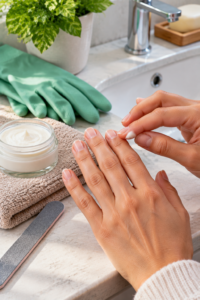
Massage a fragrance-free hand cream or ointment into the hands, nails, and cuticles. Products containing petrolatum, glycerin, ceramides, or similar moisturizing ingredients can help reduce water loss.
Keep moisturizer beside the sink, in your bag, or at your workstation so that applying it becomes a habit.
4. Protect Your Hands During Wet Work
Wear waterproof gloves when washing dishes or using cleaning products. If your hands become sweaty or irritated inside the gloves, cotton glove liners may improve comfort.
Remove the gloves when the task is complete, wash your hands if required, dry them carefully, and apply moisturizer.
5. Stop Using Nails as Tools
Use a letter opener, scraper, spoon handle, or appropriate tool instead of your fingernails. This simple change reduces pressure on the weakest area: the unsupported nail tip.
6. Take a Break From Damaging Nail Treatments
If your nails are peeling after gel polish, acrylic removal, or frequent manicures, give them time to grow. Avoid scraping, peeling, or forcefully lifting artificial products.
A professional should remove treatments safely when necessary. Remember that covering damaged nails may improve their appearance without repairing the underlying nail plate.
7. Avoid Cutting or Picking the Cuticles
Cuticles help protect the space between the nail plate and surrounding skin. Cutting them aggressively can cause irritation and create an entry point for infection.
Moisturize dry cuticles and trim only a loose hangnail with clean clippers. Never pull or bite it.
8. Eat a Balanced Diet
Nails are largely composed of keratin, a protein, but that does not mean that one special food will instantly repair them. Aim for a varied diet that provides enough protein, iron, zinc, and other essential nutrients.
Useful foods may include:
- Eggs, fish, poultry, beans, or lentils
- Iron-containing meats or plant foods
- Whole grains
- Nuts and seeds
- Fruits and vegetables
- Dairy foods or fortified alternatives
A balanced diet supports general health, but it cannot replace evaluation and treatment of a diagnosed deficiency.
9. Give New Nail Growth Time
The already damaged part of a nail cannot be permanently healed by a cream or food. Care focuses on preventing further damage while healthier nail grows from the base.
Fingernails generally require several months to replace themselves fully. Toenails grow even more slowly. Judge a routine by the condition of the new growth rather than expecting the damaged tip to change immediately.
The American Academy of Dermatology’s healthy nail tips also recommend keeping nails clean and dry, trimming them regularly, and moisturizing after washing.