
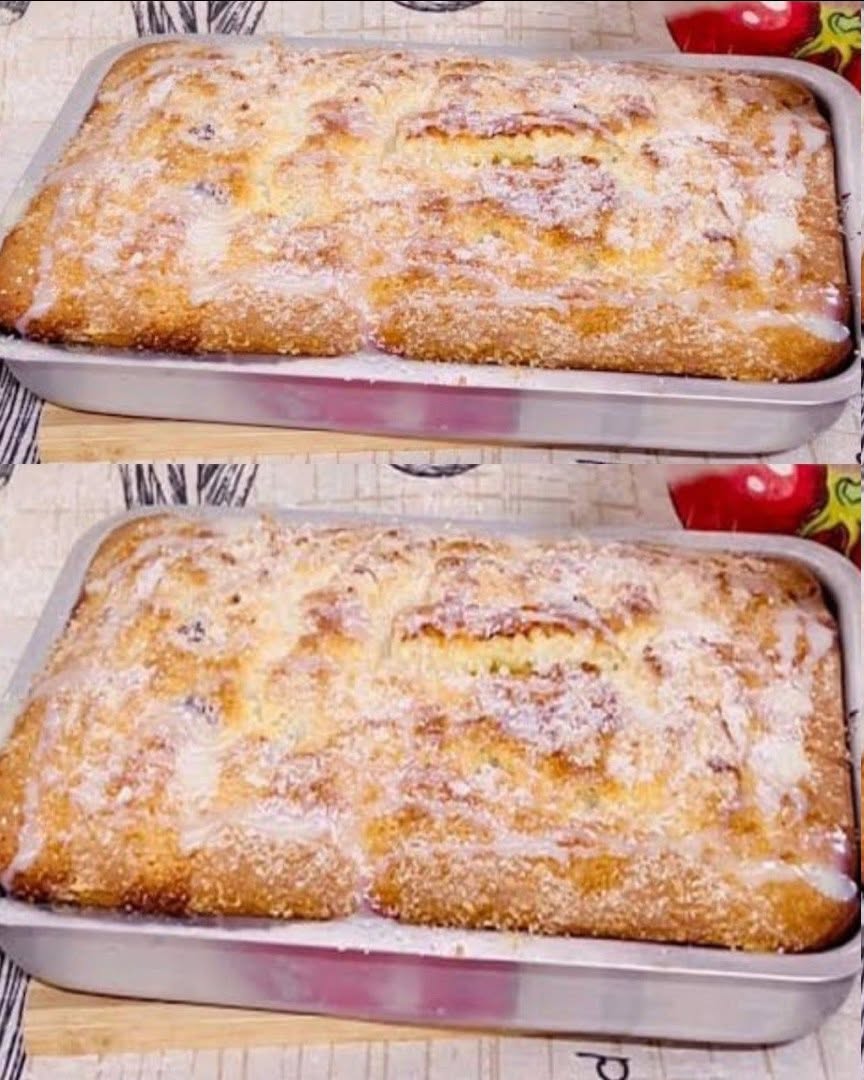
How to Get the Softest Cake
A few simple techniques can make a major difference.
Don’t Overmeasure the Flour
Too much flour is one of the easiest ways to create a dry cake.
Use a kitchen scale if available.
If measuring by volume, spoon the flour into the measuring cup and level it.
Don’t Overmix the Batter
Once flour is added, mix only until the ingredients are combined.
The goal is a smooth batter, not a heavily beaten mixture.
Use Softened Butter
Butter that is too cold will not cream properly with sugar.
Butter that is melted can produce a different texture.
Softened butter is ideal.
Avoid Overbaking
A few extra minutes in the oven can make a noticeable difference.
Start checking the cake toward the lower end of the suggested baking time.
How Do You Know When the Cake Is Done?
There are several signs.
The cake should:
- Look lightly golden
- Feel gently springy when touched
- Pull slightly away from the sides of the pan
- Pass the toothpick test
Insert a toothpick into the center.
If it comes out clean or with a few moist crumbs, the cake is generally ready.
If the toothpick has wet batter attached, give the cake a few more minutes.
Why Did My Cake Sink in the Middle?
A cake can sink for several reasons.
The Oven Was Opened Too Early
Opening the oven door too soon can cause a sudden temperature drop.
The Cake Was Underbaked
If the center has not fully set, it can collapse as the cake cools.
Too Much Leavening
Adding extra baking powder does not necessarily make a cake rise better.
Too much leavening can cause the cake to rise rapidly and then collapse.
Overmixing
Excessive mixing after flour is incorporated can affect the final structure.
Why Is My Cake Dry?
The most common possibilities include:
- Too much flour
- Overbaking
- Incorrect ingredient measurements
- Oven temperature running high
- Not enough liquid
A cake that looks perfect when removed from the oven can still become dry if it stays in the oven several minutes too long.
Why Is My Cake Dense?
A dense cake can result from:
- Cold butter
- Overmixing
- Too much flour
- Old baking powder
- Incorrect ingredient proportions
Make sure your baking powder is fresh enough to provide proper leavening.
Can I Add Lemon Flavor?
Absolutely.
Lemon and vanilla work beautifully in simple cakes.
Add:
- 1–2 teaspoons finely grated lemon zest
You can also replace part of the milk in the glaze with fresh lemon juice.
The result will be brighter and slightly more tart.
Can I Add Cinnamon?
Yes.
A small amount of cinnamon can give this classic cake a warmer, more autumn-inspired flavor.
Try adding about ½ teaspoon to the dry ingredients.
You can also combine cinnamon with a little nutmeg.
Can I Add Nuts?
Chopped walnuts or pecans can work well.
Add a modest amount to the batter so they do not overwhelm the cake.
About ½ cup is a good starting point.
You can also sprinkle chopped nuts over the glaze.
Can I Add Raisins?
If you grew up eating old-fashioned homemade cakes, raisins may bring an especially nostalgic touch.
Add them directly to the batter.
For better distribution, lightly coat them with a small amount of flour before folding them into the mixture.
Can I Add Chocolate Chips?
Yes.
Although chocolate chips make the cake less traditional, they are an easy way to turn it into a more family-friendly dessert.
Use mini chocolate chips if you want them distributed more evenly.
How to Make This Cake More Nostalgic
The beauty of a recipe inspired by the 80s and 90s is that presentation does not need to be complicated.
Instead of covering the entire cake with thick frosting, try:
- A light powdered sugar dusting
- A simple white glaze
- A few chopped nuts
- Fresh berries on the side
Serve it on a simple ceramic plate with coffee or tea.
Sometimes the simplest presentation creates the strongest nostalgic feeling.
The Best Way to Serve This Cake
This cake is delicious at room temperature.
You can serve individual slices with:
- Coffee
- Tea
- Hot chocolate
- Milk
- Fresh berries
- Whipped cream
- Vanilla ice cream
For a warm dessert, microwave an individual slice briefly and serve it with a small scoop of vanilla ice cream.
The contrast between warm cake and cold ice cream is especially comforting.
A Perfect Afternoon Cake
One of the best things about this recipe is that it does not need a special occasion.
Bake it on a quiet weekend afternoon.
Let it cool while making coffee.
Cut a generous slice and enjoy it while the kitchen still smells like freshly baked cake.
That simple experience is part of what makes traditional baking so appealing.
How to Store the Cake
Once the cake has cooled completely, cover it well.
At room temperature, it can generally be enjoyed for a few days when properly stored.
If your kitchen is particularly warm or the cake has a perishable topping, refrigeration may be more appropriate.
For the best texture, allow refrigerated slices to come closer to room temperature before serving.
Can You Freeze This Cake?
Yes.
For best results, freeze the cake without the glaze if you know you will be storing it for an extended period.
Wrap the cake tightly in plastic wrap, followed by a freezer-safe layer.
You can then place it in a freezer bag or airtight container.
Label it with the date.
When ready to eat, thaw it in the refrigerator or at room temperature as appropriate.
Add fresh glaze after thawing for the best appearance.