
of liquid.
- Use Absorbent Material Carefully
A small amount of newspaper, cardboard, or another appropriate absorbent material can sometimes help catch minor leaks at the bottom of a bin.
Replace it when wet or dirty.
Do not allow saturated paper to
sit at the bottom for weeks because wet, food-soiled material can become part of the problem.
- Keep the Bin in the Shade When Possible
A shaded location can help reduce heating and slow the decomposition of food waste.
Make sure the location remains practical, secure, and compliant with
local collection requirements.
One of the best summer tricks has nothing to do with sprays or chemicals—it is changing how the smelliest food waste is stored during the days before collection.
- Time High-Risk Waste Closer to Collection Day
One of the simplest ways to reduce fly activity is to minimize the amount of time highly perishable waste remains in a warm outdoor bin.
If local collection occurs once or twice per week, try to dispose of especially odorous food waste as close to collection day as practical.
This can be
particularly useful for meat scraps, fish, seafood shells, spoiled pet food, and other materials that decompose rapidly.
The shorter the time these materials spend in a hot bin, the less opportunity flies have to locate them and lay eggs.
- Rinse Food Containers Before Discarding Them
Packaging that appears empty can still contain enough food residue to create odor.
Where
local recycling or waste guidance permits, briefly rinsing heavily soiled containers can reduce the amount of organic material entering the trash.
This can be helpful with containers that held meat,
fish, sauces, dairy products, or pet food.
There is no need to use large amounts of water. The goal is simply to remove obvious food residue that could decompose inside the bin.
- Do Not Leave Loose Food Directly in the Bin
Loose food waste gives flies direct access and makes the container much harder to clean.
Even if the bin itself has a lid, flies may enter during the brief periods when it is opened.
Keeping food waste inside securely closed bags adds another protective barrier.
- Check the Bin After
- Collection
Collection day is an excellent opportunity to inspect the container.
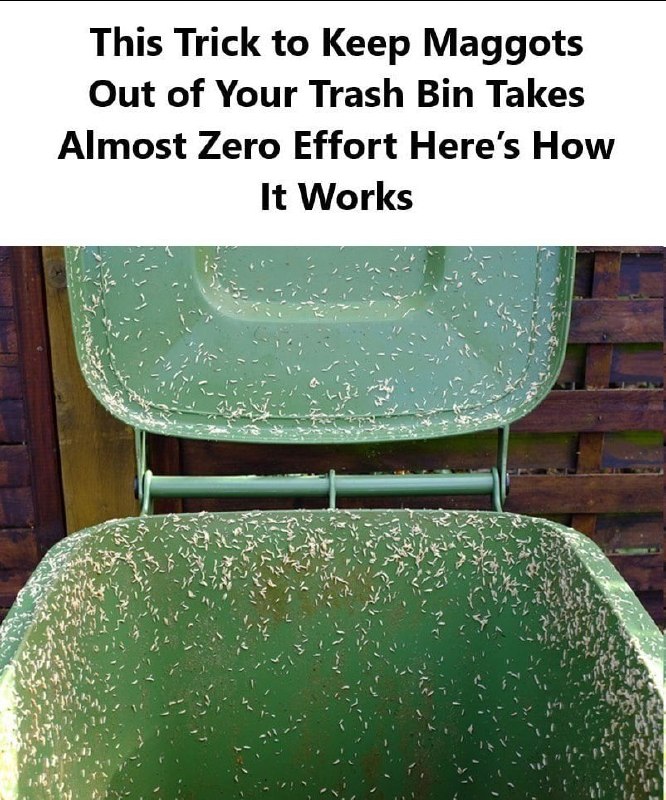
Once the bin has been emptied, look for small scraps, torn plastic, liquid, eggs, larvae, or residue that may have remained behind.
Cleaning a small spill immediately is much easier than waiting until it becomes a larger odor or pest problem.
- Wash the Bin Periodically During Warm Weather
A bin does not need to be visibly infested before it is worth cleaning.
During hot months, periodic
washing can reduce the buildup of food residue that may otherwise accumulate - Collection