
How to Avoid Broken Yolks While Frying Eggs
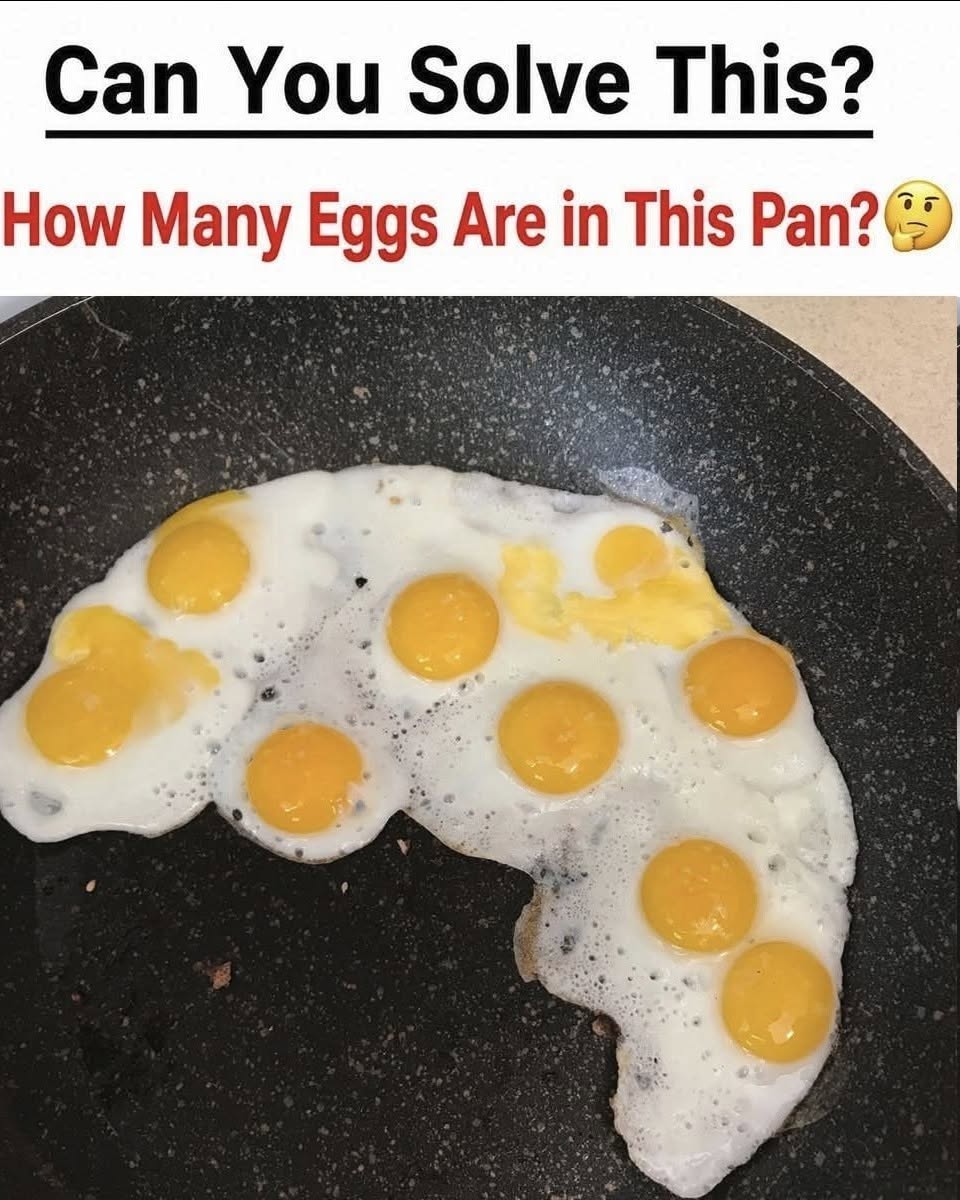
The two broken yolks make the puzzle more challenging, but you may prefer to keep every yolk intact when cooking breakfast.
Crack the Shell on a Flat Surface
Cracking an egg on the edge of a bowl can push shell fragments inward. A controlled tap on a flat surface often produces a cleaner break.
Open the Shell Gently
Place your thumbs into the crack and pull the shell apart slowly. Avoid squeezing the egg.
Use Fresh Eggs
Fresher eggs tend to have firmer whites and yolks that sit higher. Older eggs may spread more easily, although they can still be safe when properly stored.
Do Not Drop the Egg From Too High
Hold the bowl close to the pan and slide the egg in gently. Dropping it from a height increases the chance of breaking the yolk.
Avoid Sharp Utensils
Do not press the yolk with a metal spatula or move the eggs unnecessarily while the whites are still runny.
Keep the Heat Moderate
Violent bubbling or rapid movement in very hot fat can disturb the yolks and create tough edges.
Serving Ideas for Fried Eggs
Fried eggs can be served with:
- Toast or English muffins
- Roasted potatoes
- Sautéed mushrooms
- Fresh tomato slices
- Avocado
- Baked beans
- Grilled vegetables
- Rice
- Breakfast sandwiches
- Green salad
- Oatmeal prepared as a savory dish
If your website already contains a quick breakfast recipe, crispy breakfast potatoes, or easy avocado toast article, those are natural internal-link opportunities in this section.
Common Mistakes When Cooking Multiple Eggs
Using a Pan That Is Too Small
The whites overlap heavily, creating a thick layer that may cook unevenly.
Beginning With Excessive Heat
High heat can burn the butter and overcook the bottoms of the eggs.
Cracking Directly Over the Pan
This makes shell fragments more difficult to remove and gives you less control over egg placement.
Moving the Eggs Too Early
The whites can tear if you try to reposition them before they begin setting.
Leaving Cooked Eggs at Room Temperature
Cooked eggs are perishable. Refrigerate leftovers promptly rather than leaving the pan out for several hours.
Frequently Asked Questions
How Many Eggs Are in This Pan?
The intended answer is 10 eggs: eight with intact yolks and two with broken yolks.
Why Isn’t the Answer Eight?
Eight counts only the clearly rounded yolks. The irregular yellow areas on the left and upper right represent two additional broken yolks.
Could There Be Double-Yolk Eggs?
It is technically possible, but the image provides no evidence of that. The puzzle expects each visible yolk to represent one egg.
Can You Count the Eggs From the Whites?
Not reliably. The whites have merged into one large cooked area, so the yolks provide the clearest counting method.
Are the Broken Yellow Areas Definitely Yolks?
They appear consistent with yolks that broke and spread during cooking. That is the intended visual clue.
How Can I Keep Yolks From Breaking?
Crack the eggs gently on a flat surface, open each shell carefully, and slide the egg into the pan from a small bowl.
Is It Safe to Eat Runny Fried Eggs?
Undercooked eggs carry a greater food-safety risk than fully cooked eggs. Pasteurized eggs can reduce the risk in recipes where eggs will remain runny or undercooked.
How Long Can Cooked Eggs Stay Out?
Cooked eggs should generally be refrigerated within two hours, or sooner in very warm conditions.
Final Answer
So, How Many Eggs Are in This Pan?
The answer is 10 eggs.
There are eight smooth, intact yolks and two broken yolks that are easy to overlook. The puzzle tricks viewers by encouraging them to count only the most obvious round shapes.
If your first answer was eight, you were not far away—you simply missed the two irregular yolks hiding among the cooked whites.