
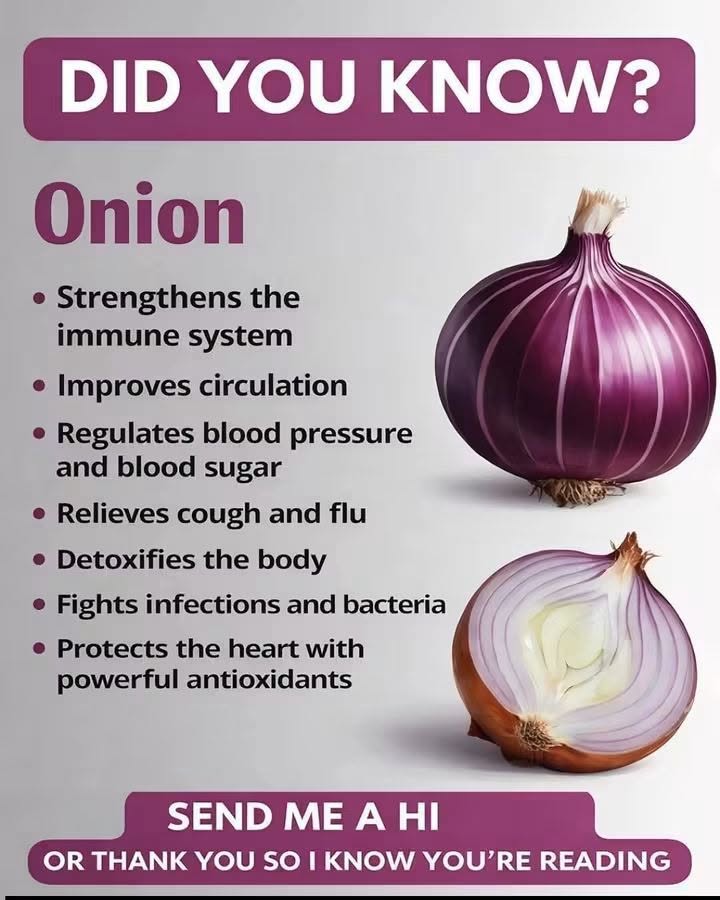
Health Benefits of Onions: Why This Everyday Ingredient Is Worth Adding to Your Meals
Onions are one of the most common ingredients found in kitchens around the world. From comforting soups and hearty casseroles to fresh salads and flavorful sauces, onions add depth, aroma, and a natural sweetness that can transform simple meals into something memorable.

But beyond their ability to improve flavor, onions have also attracted attention because they contain important plant compounds, antioxidants, vitamins, and minerals that contribute to a balanced diet.
The health benefits of onions come mainly from their natural sulfur compounds, flavonoids, and antioxidants. While onions are not a miracle food and cannot prevent or cure diseases on their own, including them regularly as part of a healthy eating pattern can help increase your intake of beneficial nutrients.
This guide explores what makes onions special, their nutritional value, ways to use them, cooking tips, storage methods, and practical information to help you get the most from this simple kitchen staple.
Why You’ll Love Adding Onions to Your Diet
There are many reasons onions remain a favorite ingredient among home cooks and professional chefs.
1. Onions Add Incredible Flavor to Simple Meals
One of the biggest advantages of onions is their ability to build flavor.
Raw onions provide a sharp, fresh bite, while cooked onions become softer, sweeter, and richer as their natural sugars caramelize.
A small amount of onion can improve:
- Soups and stews
- Pasta sauces
- Rice dishes
- Roasted vegetables
- Meat recipes
- Omelets
- Sandwiches
- Salads
This makes onions an easy way to make everyday meals more satisfying without relying heavily on extra salt or processed seasonings.
2. Onions Are Naturally Low in Calories
For people looking to create balanced meals, onions are a useful ingredient because they provide flavor without adding many calories.
A medium onion contains mostly water and carbohydrates, with small amounts of fiber and nutrients.
They can help make meals more filling while keeping recipes simple and nutritious.
What Makes Onions Special?
Onions belong to the Allium family, which also includes garlic, leeks, shallots, and scallions.
These vegetables are known for their distinctive aroma and their naturally occurring sulfur compounds.
When you cut an onion, these compounds create the familiar smell and the tears many people experience while chopping.
The same compounds that make onions unique are also being studied for their possible role in supporting overall health when onions are consumed as part of a varied diet.
Onion Nutrition Facts
Onions provide several important nutrients.
A medium onion contains approximately:
- Calories: about 40–50
- Carbohydrates: around 10 grams
- Fiber: around 1–2 grams
- Vitamin C
- Vitamin B6
- Folate
- Potassium
- Plant antioxidants
The exact nutrition depends on the onion variety and serving size.
Different types of onions, including yellow onions, red onions, white onions, and sweet onions, may contain slightly different levels of beneficial plant compounds.