
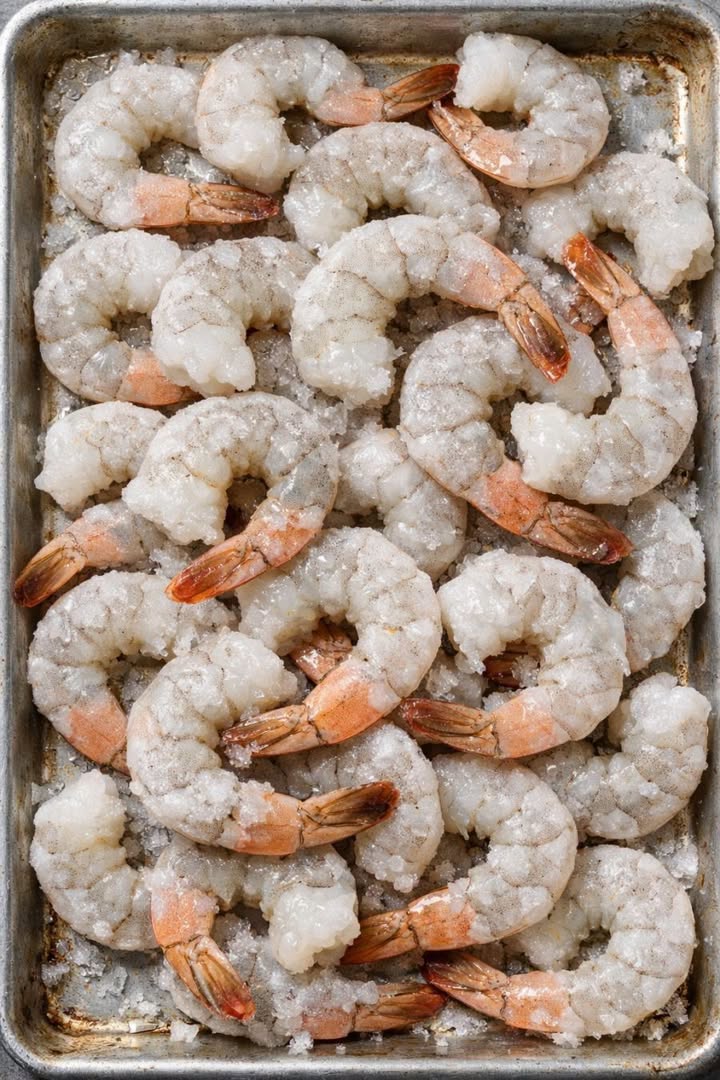
Common Mistakes to Avoid
Thawing on the counter: Room-temperature thawing can leave the outside of the shrimp warm while the center is still frozen. Use a refrigerator or sealed bag in cold water. The FDA states that food thawed in cold water should be cooked immediately afterward.
Adding icy shrimp to the pan: Remaining ice turns into water and cools the skillet. Thaw, drain, and dry first for this version of the recipe.
Overcrowding: Shrimp stacked on each other cook unevenly. Make two batches if necessary.
Cooking by the clock alone: A “large” shrimp from one package may be a different size from another. Watch for opaque flesh and remove cooked pieces promptly.
Leaving the garlic unattended: Minced garlic can turn from fragrant to burnt fast. Stir it constantly during its brief time in the skillet.
Using the wrong type of shrimp: Check whether your shrimp are raw or precooked before following the cooking times.
What to Serve with Garlic Butter Shrimp
For the quickest dinner, spoon the shrimp over cooked rice. The rice absorbs the buttery lemon sauce, and a side of steamed broccoli or green beans completes the plate.
Pasta is another natural match. Cook it before starting the shrimp, then toss the finished garlic butter shrimp with warm pasta. If it seems dry, add a spoonful of pasta cooking water and toss again. A contextual link to your site’s simple pasta side dish would fit naturally here, if you have one.
Crusty bread makes this an easy appetizer or light meal. Arrange the shrimp in a shallow bowl and serve the bread alongside for the sauce. For a fresher combination, add a green salad with a crisp dressing. If your site has a quick green salad article, link to it in this paragraph so readers can put together the meal.
You can also serve the shrimp over mashed potatoes, alongside roasted asparagus, or tucked into soft rolls with lettuce. Keep the sides simple enough that the garlic and lemon remain the main flavors.
Variations and Substitutions
Make It Mild
Leave out the red pepper flakes. The garlic and lemon provide plenty of flavor without heat.
Add More Lemon at the Table
A wedge squeezed over an individual portion gives a brighter finish without making the entire skillet sauce overly acidic.
Use Tail-Off Shrimp
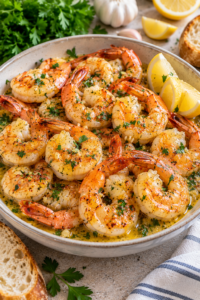
Tail-on shrimp resemble the supplied image and look attractive in a serving bowl. Tail-off shrimp are easier to eat in pasta, rice bowls, or sandwiches. Either works with the same ingredient weight if measured after peeling.
Try Fresh Raw Shrimp
Fresh raw, peeled shrimp can replace frozen shrimp. Skip the thawing step, keep the shrimp chilled until you cook, and follow the same doneness cues.
Add a Vegetable
Quick-cooking spinach can be stirred into the warm sauce until wilted before the shrimp return to the pan. If using a vegetable that releases a great deal of water, cook it separately so the garlic butter sauce stays flavorful.
Make It More Saucy
If serving with pasta, increase the butter slightly and add a splash of pasta cooking water. Stir until the liquid and butter coat the pasta and shrimp. Adjust lemon and salt after combining everything.
Storage, Reheating, and Freezing
Refrigerating Leftovers
Transfer leftover shrimp to a shallow, covered container and refrigerate promptly. For best quality, plan to eat them soon; follow general leftover guidance and use refrigerated leftovers within 3–4 days. Keep seafood out of room-temperature serving conditions for extended periods.
Reheating
Shrimp can become tough when reheated aggressively. Warm leftovers gently in a covered skillet with a splash of water, or use short microwave intervals, stirring between them. FoodSafety.gov lists 165°F (74°C) as the reheating temperature for leftovers.
Freezing the Finished Dish
You can freeze cooked shrimp, but this quick skillet recipe has its best texture freshly made. If you do freeze leftovers, use an airtight freezer-safe container and thaw in the refrigerator before reheating. The butter sauce may separate slightly; gentle heating and stirring can help bring it together.
The easier make-ahead choice is to keep the uncooked shrimp frozen and prepare the garlic butter sauce when you are ready to eat.
Frequently Asked Questions
Can I cook these shrimp directly from frozen?
Some recipes are designed for that, but this skillet method works best with thawed, dried shrimp. Frozen shrimp release water in the pan, making it harder to cook them evenly and keep the garlic butter sauce concentrated.
Can I thaw shrimp in warm water?
Use cold water for the sealed-bag quick-thaw method. The FDA recommends refrigerator thawing or cold water when quicker thawing is needed.
Should I remove the tails?
That depends on how you will serve the dish. Leave them on for a platter or appetizer if guests can easily remove them. Take them off for pasta, rice bowls, or sandwiches.
What if my frozen shrimp are already cooked?
Do not follow the raw-shrimp cooking times. Make the garlic butter sauce first, then add the thawed, fully cooked shrimp and heat them through gently. Check the package for any handling directions and avoid simmering them for several minutes, which can make them rubbery.
Do I need to rinse the shrimp?
Rinsing is not required to make the sauce work. Drain the thawed shrimp well and pat them dry. If you choose to rinse them, avoid splashing around the sink, then clean any surfaces and dry the shrimp thoroughly before cooking.
Why did my sauce turn watery?
The shrimp may have gone into the pan with ice or thawing liquid still on them, or too many shrimp may have crowded the skillet. Next time, dry them carefully, cook in batches, and make the sauce after the shrimp are removed.
Why did my garlic taste bitter?
Garlic can burn quickly in a hot skillet. Reduce the heat before adding it and stir continuously for its short cooking time. If it burns badly, it is better to wipe out the pan and start that small part of the sauce again.
Is shrimp supposed to curl tightly?
Shrimp naturally curve as they cook, but appearance alone does not tell the whole story. Check that the flesh has become pearly or white and opaque, and remove it promptly rather than continuing to cook it for extra color.
Recipe Card: Garlic Butter Shrimp
Yield: 4 servings
Prep: About 15 minutes, after thawing
Cook: About 6–8 minutes, plus extra time if cooking in batches
Ingredients
- 1½ pounds (680 g) frozen raw shrimp, safely thawed, peeled, and deveined
- 1 tablespoon olive oil
- 4 tablespoons unsalted butter, divided
- 5 garlic cloves, minced
- ½ teaspoon fine salt
- ¼ teaspoon black pepper
- ¼ teaspoon red pepper flakes, optional
- 2 tablespoons fresh lemon juice
- 2 tablespoons water
- 2 tablespoons chopped parsley
- Lemon wedges, to serve
Instructions
- Thaw shrimp in the refrigerator or in a sealed bag submerged in cold water. Drain and pat thoroughly dry.
- Season shrimp with salt and pepper. Prepare the garlic, lemon juice, parsley, and water.
- Heat olive oil and 1 tablespoon butter in a large skillet over medium-high heat.
- Add shrimp in one layer, working in batches if needed. Cook approximately 1½–2 minutes on the first side and 1–2 minutes on the second, until the flesh is pearly or white and opaque. Transfer to a clean plate.
- Reduce heat to medium-low. Cook garlic and optional pepper flakes for 30–45 seconds, stirring constantly.
- Stir in water and lemon juice. Add the remaining 3 tablespoons butter and stir until melted and glossy.
- Return shrimp and their juices to the skillet. Toss for 30–60 seconds, stir in parsley, and serve immediately with lemon wedges.
Final Thoughts
Frozen raw shrimp are a useful starting point for a fast dinner. Thaw them safely, dry them thoroughly, and give them space in the skillet. Once the shrimp are cooked, a brief garlic butter sauce brings the meal together. Serve it immediately, with rice, pasta, vegetables, or bread ready to catch every spoonful of sauce.