What Treatments Do Dermatologists Use?
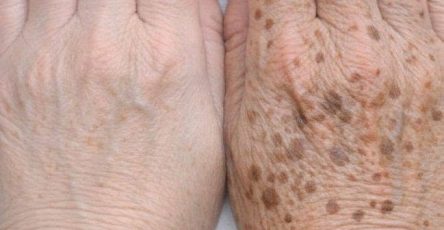
Depending on the person and the appearance of the pigmentation, professional options may include:
- Prescription-strength creams
- Cryotherapy
- Laser therapy
- Chemical peeling
- Microdermabrasion
- A carefully planned combination of treatments
The American Academy of Dermatology notes that a dermatologist can recommend whether a prescription cream or an in-office procedure is more appropriate for a particular patient.
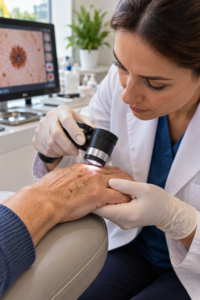
Image 2 placement: Put the professional-treatment image here, after this section and before “Treatments to Avoid.”
Treatments to Avoid
Lemon Juice
Lemon juice is frequently promoted as a natural bleaching treatment. It can irritate the skin, and citrus residue combined with sunlight may cause a painful reaction and irregular pigmentation.
It is not a reliable substitute for a properly formulated skincare product.
Baking Soda
Baking soda is alkaline and abrasive. Scrubbing the hands with it may damage the skin barrier, cause dryness, and increase irritation without safely treating the pigment-producing cells responsible for age spots.
Undiluted Vinegar
Vinegar can burn or irritate the skin, particularly when it is concentrated or left under a covering. There is no reason to risk a chemical burn for an unproven result.
Household Bleach
Never apply household bleach to the skin. It can cause serious irritation and chemical burns and should not be used as a cosmetic lightener.
Unlabelled Skin-Lightening Creams
Avoid creams that do not provide a complete ingredient list or reliable manufacturer information. Some illegally marketed lightening products have contained mercury or undeclared ingredients.
The FDA warns that skin-lightening products containing mercury or hydroquinone may cause harm and advises consumers to discuss treatment options with a healthcare professional.
Hydroquinone may still be prescribed under medical supervision in some situations, but that is different from purchasing an unapproved or unlabelled product online.
At-Home Freezing Products
A product intended for a common wart should not be used to freeze an unidentified brown spot. Treating the wrong lesion can damage the skin and delay diagnosis.
How to Prevent New Age Spots
Sun protection should cover more than occasional sunscreen use at the beach.
Apply Sunscreen Every Morning
Use broad-spectrum, water-resistant SPF 30 or higher on the hands. Apply it before driving or spending time outdoors, even when the weather is cloudy.
Reapply After Handwashing
Sunscreen can be removed when you wash or sanitise your hands. Keep a small tube near the door, in your bag, or in the car so that reapplication becomes easier.
Do not store sunscreen in an excessively hot vehicle for prolonged periods.
Use Protective Clothing
Long sleeves and UV-protective gloves provide another layer of protection. Gloves can be particularly useful for gardening, walking, cycling, and driving.
Avoid Indoor Tanning
Tanning beds expose the skin to ultraviolet radiation and contribute to premature ageing and skin-cancer risk. A tan should not be considered a form of protection.
Check Your Skin Regularly
Examine the backs and palms of your hands, between your fingers, around your nails, and underneath the nails. Take clear photographs of existing marks if you need a reference for detecting future changes.
A self-check does not replace a professional assessment, but it can help you notice an evolving lesion sooner.
What Results Should You Expect?
Topical treatment is gradual. Some people see mild improvement after several weeks, while more noticeable fading may require a few months.
Procedures can sometimes work faster, but they may involve redness, swelling, crusting, sensitivity, or temporary discolouration during recovery. Results vary, and additional sessions may be needed.
Even after successful treatment, spots can return or new ones can form. Consistent sun protection is therefore part of both treatment and maintenance.
Be cautious of products promising to erase all spots overnight. Rapid, dramatic claims often ignore the risk of irritation, chemical burns, misdiagnosis, and uneven pigmentation.
Caring for Ageing Hands
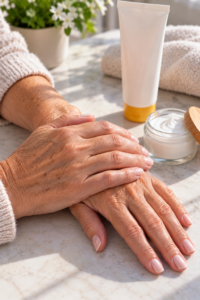
Age spots are only one visible change that may affect the hands. Skin can also become thinner, drier, and less elastic over time.
A practical routine may include:
- Washing with lukewarm rather than very hot water
- Using a mild, fragrance-free cleanser
- Applying moisturiser after every wash
- Wearing gloves for cleaning and washing dishes
- Applying broad-spectrum SPF 30 or higher each morning
- Reapplying sunscreen after washing
- Checking regularly for new or changing lesions
An expensive collection of products is not essential. A gentle cleanser, reliable moisturiser, effective sunscreen, and professional advice for suspicious marks form a more sensible foundation.
Frequently Asked Questions
Are Age Spots on Hands Caused by the Liver?
No. The traditional name “liver spots” is misleading. These marks are commonly associated with cumulative ultraviolet exposure and increased pigmentation, not liver function.
Can Age Spots Disappear Naturally?
They do not usually disappear completely without treatment. Some may lighten when sun exposure is reduced, but many remain visible.
What Is the Fastest Way to Remove Age Spots?
Professional procedures such as certain laser treatments or cryotherapy may work faster than topical products. The best option depends on the diagnosis, skin tone, cost, recovery time, and risk of pigment changes.
- In “Caring for Ageing Hands,” link gentle skincare routine to your relevant skincare article.
- In “How to Prevent New Age Spots,” link daily sun-protection tips to your sunscreen guide.
- In “Treatments to Avoid,” link common skincare mistakes to another relevant article on your website.
- In the warning-sign section, link how to check your skin at home to your skin self-examination article.
Does Vitamin C Remove Age Spots?
Topical vitamin C may help improve uneven pigmentation gradually, but it does not guarantee complete removal. Product stability, concentration, skin tolerance, and regular use affect the result.
Can Retinol Help?
Retinoids can support skin-cell turnover and may gradually improve some pigmentation. They may also cause dryness and irritation, so begin carefully and seek professional advice when using a strong formula.
Does Sunscreen Remove Existing Spots?
Sunscreen does not bleach a spot immediately. It prevents additional ultraviolet damage, reduces darkening, and helps treatment results last longer.
Can Age Spots Become Cancerous?
Ordinary age spots are benign. The concern is that another type of lesion can resemble an age spot. A mark that changes or looks unusual should be examined.
When Should I Visit a Dermatologist?
Seek an examination if a mark is new, evolving, irregular, painful, itchy, bleeding, crusting, rapidly growing, or different from the rest. You should also obtain a diagnosis before having an unidentified lesion removed.
Final Thoughts
Age Spots on Hands are commonly connected to years of sun exposure and are usually harmless. However, appearance alone is not always enough to distinguish an ordinary age spot from another pigmented lesion.
The safest plan begins with a proper diagnosis, daily sun protection, and realistic expectations. Dermatologist-directed creams and professional procedures can fade many spots, but unproven household remedies may irritate the skin or delay appropriate care.
Protecting the hands with broad-spectrum sunscreen, moisturiser, and protective clothing can reduce further sun damage and help maintain the results of treatment.