
Surprisingly Genius Uses for WD-40 That We Wish We Knew Sooner
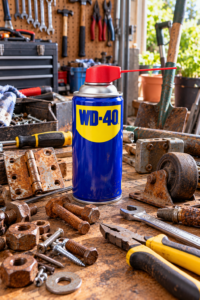
WD-40 is one of those products that many people recognize immediately: the familiar blue-and-yellow can sitting in a garage, workshop, kitchen drawer, or toolbox.
But what exactly does WD-40 mean, and what can you actually use it for?
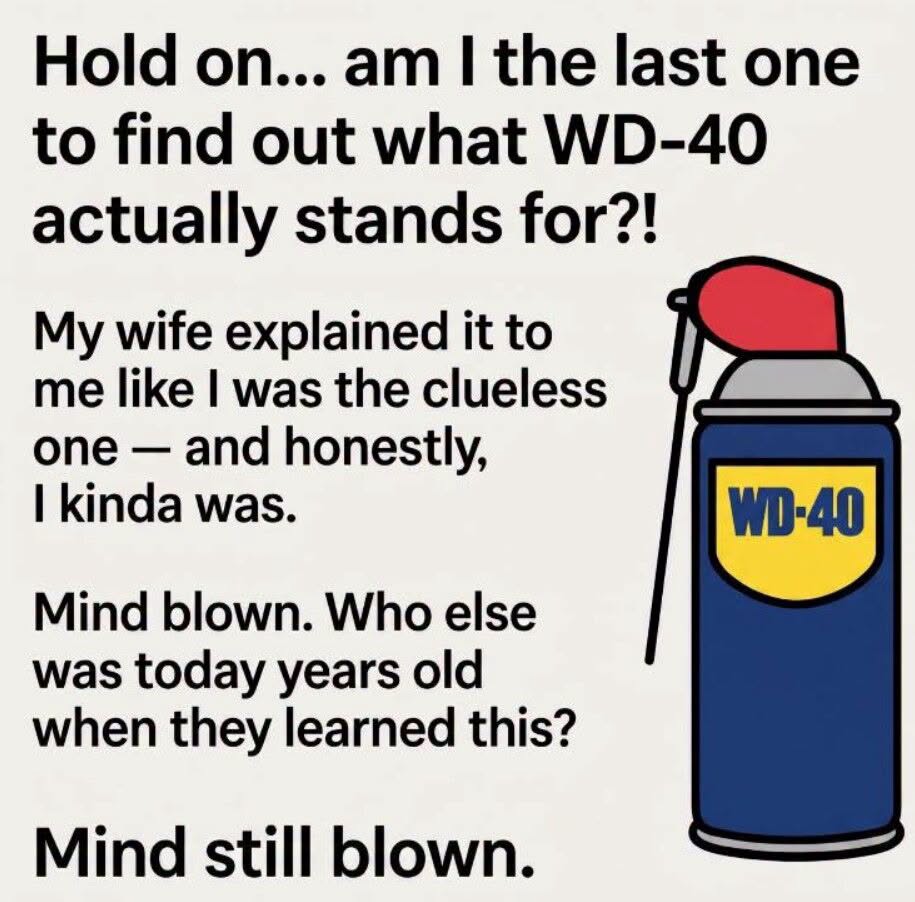
The name itself has an interesting history. According to the manufacturer, WD-40 stands for “Water Displacement, 40th formula” because it took 40 attempts to develop the formula that worked. The product was first developed in 1953 for corrosion protection in the aerospace industry. WD-40
High Protein Clear Drink Recipe Ideas
Today, the classic WD-40 Multi-Use Product is used for far more than people originally expect. The company says users have documented more than 2,000 uses for it. WD-40
Here are some of the most useful applications worth knowing.
What Does WD-40 Actually Stand For?
The letters WD stand for Water Displacement.
The number 40 refers to the 40th formulation attempt that successfully achieved the desired water-displacing properties. According to WD-40’s official history, the product was developed in 1953 by the Rocket Chemical Company. WD-40
So the name isn’t a random product code.
It tells you something about the original purpose of the formula.
1. Quiet a Squeaky Door Hinge
One of the easiest uses is a squeaky hinge.
A small amount of WD-40 Multi-Use Product can help lubricate moving metal parts and reduce annoying squeaking. The manufacturer lists door hinges among its most popular applications. WD-40
Apply a small amount directly to the hinge, move the door several times, and wipe away excess product.
You don’t need to soak the entire hinge.
2. Loosen Rusty Screws and Bolts
Have you ever tried removing a screw or bolt that seems completely stuck?
Rust and corrosion can make fasteners extremely difficult to turn.
WD-40 Multi-Use Product is designed to penetrate stuck parts and help loosen rusted connections. WD-40
Spray the affected area, allow the product some time to penetrate, and then try loosening the fastener carefully.
For heavily corroded hardware, more than one application may be necessary.
3. Protect Metal Tools From Rust
Tools stored in humid garages or workshops can eventually develop surface rust.
A light application of WD-40 followed by wiping can help protect metal surfaces from moisture and corrosion. The manufacturer specifically recommends it for tools and metal equipment. WD-40
This can be especially useful for tools that aren’t used every day.
Before storing them, clean away dirt and moisture and apply a suitable protective coating.
4. Help Remove Sticky Labels
That stubborn price sticker on a glass jar or metal object doesn’t always come off cleanly.
WD-40 can help loosen adhesive residue, making it easier to remove.
Apply a small amount to the affected area, allow it to work briefly, and wipe the residue away.
Always test an inconspicuous area first, particularly on painted, coated, or delicate surfaces.
5. Lubricate Moving Mechanical Parts
WD-40 Multi-Use Product can be useful on many moving metal components, including hinges, rollers, gears, and certain chains. WD-40
A small amount can help reduce friction and improve movement.
However, don’t assume every mechanical component should be treated with the classic formula. Some applications require a dedicated lubricant designed for the specific equipment.
6. Help Remove Stubborn Grime From a Car
WD-40’s official automotive guidance includes using the Multi-Use Product to help loosen certain stubborn grease and grime from vehicle surfaces. WD-40
For painted automotive surfaces, the manufacturer says the product can be used for certain cleaning applications, followed by wiping and rinsing. WD-40
Still, always test an unfamiliar surface first and follow the vehicle manufacturer’s recommendations.
7. Protect Chrome From Corrosion
Chrome-plated surfaces can develop corrosion when exposed to moisture and contaminants.
WD-40 recommends its Multi-Use Product as part of routine chrome maintenance. WD-40
Apply a suitable amount, allow it to work as directed, then wipe the surface clean.
This can be useful for certain automotive and household metal surfaces.
8. Keep Outdoor Equipment in Better Condition
Outdoor tools and equipment regularly encounter rain, humidity, dirt, and other sources of corrosion.
WD-40 lists outdoor equipment among its applications and recommends using the product to help protect components from moisture and corrosion. WD-40
Garden tools, certain metal mechanisms, and equipment stored outdoors can benefit from appropriate maintenance.
9. Help Prevent Rust on Garden Tools
Garden tools are particularly vulnerable to moisture.
After cleaning and drying a metal shovel, shears, or other suitable tool, a light protective application can help reduce exposure to moisture.
For lawnmower blades, WD-40 also describes using the product to help reduce grass sticking and protect the blades from corrosion. WD-40
Always follow the equipment manufacturer’s safety instructions before servicing machinery.
10. Drive Moisture Away From Metal Tools
One of WD-40’s original purposes was related to water displacement.
The company describes the Multi-Use Product as a way to displace moisture and protect metal components from corrosion. WD-40
This makes it useful for certain tools that have been exposed to damp conditions.
However, don’t spray an aerosol product indiscriminately into energized electrical equipment. Disconnect equipment from power and follow the manufacturer’s instructions before attempting maintenance.
11. Help With Stuck Zippers
A stubborn zipper can sometimes become difficult to move because of dirt, corrosion, or friction.
A very small amount of an appropriate product can sometimes help loosen the mechanism.
WD-40’s published list of user-submitted applications includes zippers, but the company notes that its large list of 2,000+ uses came from end users and does not necessarily constitute a company recommendation. WD-40
For clothing, bags, and delicate materials, test first and avoid staining the fabric.
12. Maintain Certain Garage Door Hardware
Garage doors contain multiple moving components, including hinges, rollers, and other hardware.
WD-40 lists garage-door rollers among applications for its Multi-Use Product. WD-40
Regular maintenance can help keep moving hardware operating smoothly.
But garage doors can be heavy and dangerous. Never attempt to dismantle springs or other high-tension components unless you are qualified to do so.
13. Remove Some Adhesive Residue
Old tape and stickers can leave behind a stubborn sticky layer.
WD-40’s history page lists removing adhesive labels among the many uses associated with the product. WD-40
Apply a small amount, allow it to penetrate the residue, and wipe it away.
Afterward, clean the surface appropriately if you need it completely free of oil.
14. Help With Rusty Outdoor Hardware
Outdoor screws, bolts, hinges, and other metal components can become difficult to operate because of rust.
WD-40 can penetrate rusted bonds and help make some stuck parts easier to loosen. WD-40
This is particularly useful before attempting to force a heavily corroded fastener.
15. Maintain Certain Fishing Equipment
WD-40’s unusual-use guidance includes fishing equipment, particularly certain metal components exposed to moisture and salt. WD-40
The important word here is certain.
Don’t assume that spraying the product on every fishing component is appropriate. Check the equipment manufacturer’s recommendations first.
16. Help Keep Stainless Steel Looking Clean
WD-40 also publishes guidance for using the Multi-Use Product on stainless-steel surfaces.
A small amount applied to a cloth can help with fingerprints and certain surface grime while leaving a light protective layer. WD-40
Use only a small amount and wipe thoroughly afterward.
For surfaces that come into direct contact with food, use products specifically appropriate for that application and follow the surface manufacturer’s instructions.
17. Help Maintain Car Door Hinges
Car doors can develop squeaks as hinge points become dry or contaminated.
WD-40’s automotive guidance specifically lists hinge pins and hinge points as maintenance applications. WD-40
A targeted application can help restore smoother movement.
Avoid spraying randomly around electrical connectors, sensors, brakes, or other components where the product isn’t intended to be used.
18. Make Certain Stuck Car Parts Easier to Remove
Automotive nuts and bolts exposed to moisture and road conditions can become heavily corroded.
WD-40 recommends soaking suitable nuts and bolts before attempting disassembly. WD-40
This can be particularly useful during older-vehicle repairs.
For extremely corroded components, however, a dedicated penetrating oil may be more appropriate.
19. Help Maintain Tools Before Storage
If you’re putting tools away for several months, moisture can become a problem.
Clean the tool first, dry it thoroughly, and then use an appropriate protective product on exposed metal surfaces.
WD-40 recommends this type of maintenance for tools and precision tool parts. WD-40
This simple routine can help keep your equipment in better condition.
20. Use It for the Right Job—not Every Job
This might be the most important WD-40 tip of all.
Because the product has so many applications, it’s easy to assume that it should be used everywhere.
That’s not true.
WD-40 itself says its Multi-Use Product is suitable for materials including metal, rubber, wood, most plastics, and painted metal, while specifically advising users to avoid certain plastics such as polycarbonate and clear polystyrene. The company recommends testing an inconspicuous area when uncertain. WD-40
So always consider the material before spraying.
WD-40 Isn’t the Same as Every Lubricant
Another common misconception is that WD-40 Multi-Use Product is simply a universal replacement for every specialized lubricant.
It isn’t.
WD-40 describes the Multi-Use Product as protecting against rust and corrosion, penetrating stuck parts, displacing moisture, and lubricating many applications. WD-40
But specialized equipment may require a specific grease, silicone lubricant, chain lubricant, penetrating oil, or another formulation.
Using the correct product can be much more important than simply reaching for the familiar blue-and-yellow can.
What Should You Avoid Spraying?
Before using WD-40, consider the material and application.
According to the manufacturer, avoid using the Multi-Use Product on polycarbonate plastics and clear polystyrene plastics. WD-40
Examples can include certain clear plastic components and some rigid food packaging.
You should also avoid spraying blindly onto:
- Brake components
- Tires’ contact surfaces
- Electrical equipment that is energized
- Food
- Surfaces where an oily residue could create a safety problem
- Delicate materials without testing first
When you’re uncertain, check the manufacturer’s instructions.
Why WD-40 Became So Popular
The interesting thing about WD-40 isn’t simply that it has many uses.
It’s that the product was originally developed for a very specific technical problem: corrosion protection.
According to the company’s history, the original formula was developed in 1953 by a small team working for Rocket Chemical Company. It took 40 attempts to create the successful water-displacing formula. WD-40
Over the years, customers began finding their own applications.
The company says thousands of users submitted unusual uses, eventually creating a huge collection of applications. WD-40
That’s one reason the product became such a familiar household name.
So, What Does WD-40 Stand For?
The answer is surprisingly simple:
WD = Water Displacement
40 = the 40th formulation attempt
That’s the fact hidden behind the name that surprises so many people.
And while the viral image makes it sound like a secret everyone somehow missed, the name has actually been explained by the manufacturer for decades. WD-40
Final Thoughts
WD-40 is much more than something you spray on a squeaky hinge.
The classic Multi-Use Product can help with many maintenance tasks involving rust, moisture, stuck parts, hinges, tools, automotive hardware, and other suitable surfaces. The manufacturer currently documents thousands of uses, although not every user-submitted application is an official recommendation. WD-40
The biggest lesson is to use it thoughtfully.
Check the material, use a small amount, wipe away excess when appropriate, and choose a specialized product when the job requires one.
And now, if someone asks you what WD-40 stands for, you don’t have to guess:
Water Displacement — 40th formula.
You can also explore the manufacturer’s official list of WD-40 uses for additional maintenance ideas. WD-40