
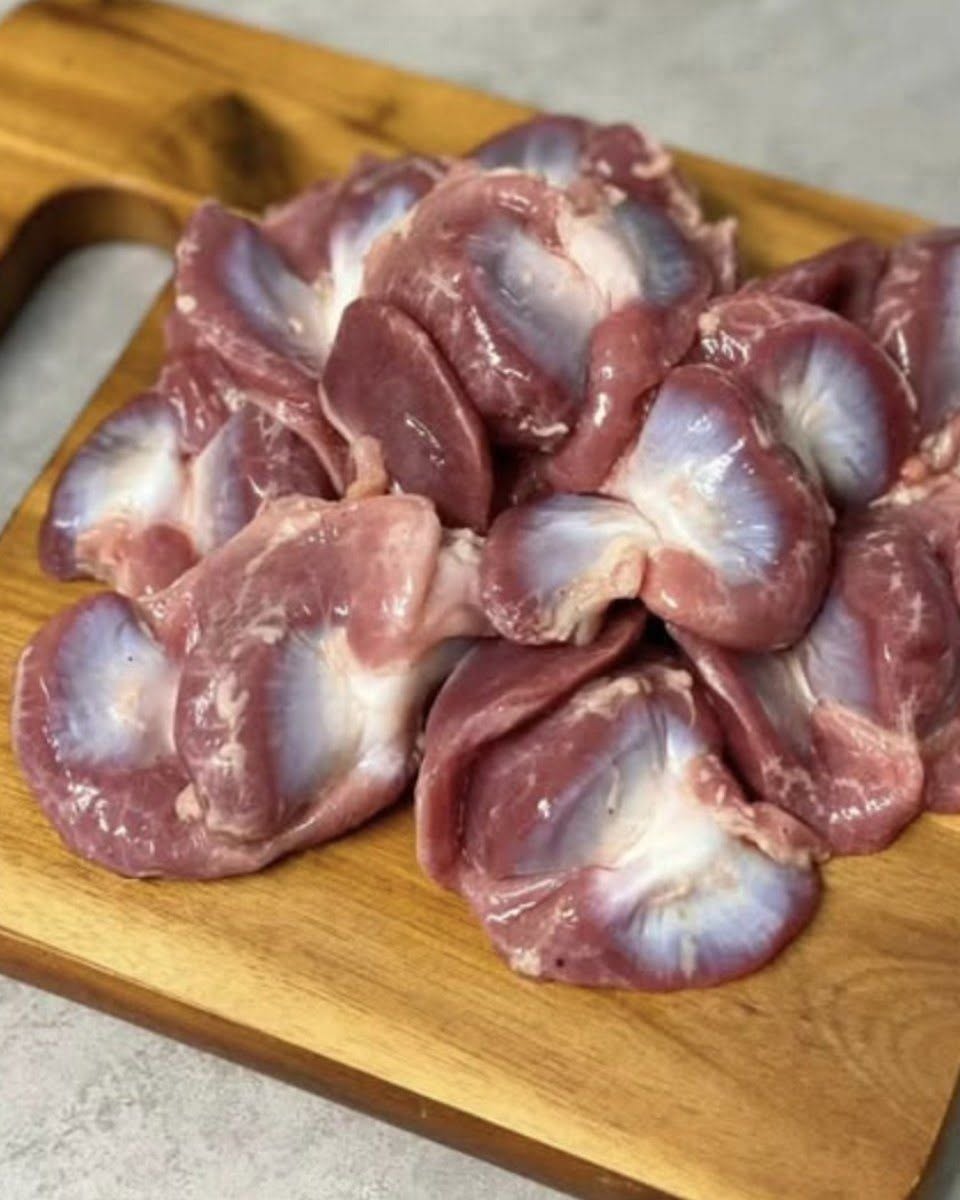
Are Chicken Gizzards Healthy? What You Need to Know
Chicken breast and thighs usually get most of the attention when people shop for poultry, but there’s another part of the chicken worth knowing about: gizzards.
If you’ve never cooked them before, you might wonder, are chicken gizzards healthy? The short answer is that they can absolutely fit into a balanced diet. Chicken gizzards are a protein-rich organ meat that provides several important vitamins and minerals while containing relatively little fat and no meaningful amount of carbohydrate in standard USDA nutrient data.
They’re also remarkably affordable, which makes them an interesting option for anyone who enjoys traditional cooking, nose-to-tail eating, or simply wants to discover less familiar cuts of meat.
But there’s more to the story than simply calling gizzards a “superfood.”
Cooked chicken gizzards are particularly notable for their protein, selenium, zinc, vitamin B12, niacin, phosphorus, and choline content. At the same time, they are very high in cholesterol, so portion size and overall dietary pattern matter. USDA-derived nutrition data list about 30 grams of protein and 2.7 grams of fat per 100 grams of cooked, simmered gizzard, along with substantial amounts of selenium and vitamin B12.
And when it comes to cooking, patience is the real secret.
Gizzards are naturally firm because they are muscular tissue. Instead of treating them like chicken breast and cooking them quickly, gentle simmering or braising gives them time to become tender and flavorful.
Let’s take a closer look at what chicken gizzards are, their nutritional profile, how to cook them, and the best ways to serve them.
What Are Chicken Gizzards?
A chicken gizzard is a muscular part of the bird’s digestive system. It helps mechanically break down food and is naturally dense and firm.
That explains why raw or quickly cooked gizzards can seem tough.
Unlike tender chicken breast, gizzards benefit from longer cooking with moisture. Slow simmering, braising, pressure cooking, and similar methods can gradually soften their texture.
Gizzards are commonly sold as part of a chicken’s giblets, along with other edible organs such as the heart and liver.
They have been used in traditional cooking around the world for generations, appearing in everything from stews and soups to grilled dishes and fried preparations.
Their texture is part of their appeal: when properly cooked, they can be pleasantly chewy and tender rather than soft like conventional chicken meat.
Are Chicken Gizzards Healthy?
Yes, chicken gizzards can be a nutritious addition to a balanced diet.
However, “healthy” depends on the overall eating pattern, preparation method, and individual nutritional needs.

Here’s what makes them nutritionally interesting:
- High in protein
- Naturally low in carbohydrates
- Relatively low in fat when simmered
- A source of vitamin B12
- Rich in selenium
- Provides zinc
- Provides niacin
- Contains phosphorus
- Contains choline
- Generally inexpensive compared with many other meat cuts
According to USDA-derived nutrition data, 100 grams of cooked, simmered chicken gizzard contains approximately 30.4 grams of protein, 2.7 grams of fat, and 154 calories. It also provides about 41 micrograms of selenium, 4.4 mg of zinc, and 1.0 mcg of vitamin B12 per 100 grams in the cited USDA dataset.
That makes chicken gizzards a nutrient-dense protein choice, but it is important not to overlook their cholesterol content.
The same USDA-derived data list approximately 370 mg of cholesterol per 100 grams.
So while gizzards can be nutritious, they’re best enjoyed as part of a varied diet rather than presented as a food that everyone should eat in large quantities.
Chicken Gizzards Nutrition
Here’s a simplified look at the nutritional profile of cooked, simmered chicken gizzards.
| Nutrient | Approx. amount per 100 g |
|---|---|
| Calories | 154 |
| Protein | 30.4 g |
| Fat | 2.7 g |
| Carbohydrates | 0 g |
| Iron | 3.2 mg |
| Zinc | 4.4 mg |
| Selenium | 41.1 mcg |
| Vitamin B12 | 1.0 mcg |
| Niacin | 3.1 mg |
| Choline | 104 mg |
| Phosphorus | 189 mg |
| Cholesterol | 370 mg |
Values can vary according to the exact product and preparation method, so these numbers should be treated as a general reference rather than a guarantee for every package of gizzards.
1. Chicken Gizzards Are High in Protein
Continue on the next page