
Plain cooked chicken gizzards contain essentially no carbohydrate in the USDA-derived data used here.
That makes them naturally compatible with meals that emphasize protein and vegetables.
However, calling gizzards automatically “keto” or “paleo” isn’t necessary. The overall meal and preparation method determine whether a dish fits a particular eating pattern.
A breaded and deep-fried gizzard dish, for example, is very different from braised gizzards served with vegetables.
8. They’re Affordable
Nutrition isn’t the only reason to appreciate chicken gizzards.
They’re also often inexpensive compared with more popular cuts of poultry.
For families looking for budget-friendly cooking ideas, gizzards can be a practical way to turn an inexpensive ingredient into a flavorful meal.
Their firm texture also makes them particularly well suited to soups, stews, gravies, rice dishes, and slow-cooked meals.
This is where traditional cooking techniques really shine.
Instead of trying to make gizzards behave like chicken breast, use their natural characteristics to your advantage.
9. They Encourage Nose-to-Tail Cooking
Using gizzards is also an example of making better use of the whole animal.
Historically, many food cultures have developed delicious recipes around parts of animals that might otherwise be discarded.
Gizzards appear in traditional dishes in many parts of the world, including Southern American cooking and various African, Asian, Latin American, and European food traditions.
The appeal isn’t just nutritional.
It’s culinary.
Gizzards have a distinctive texture and absorb seasonings extremely well, which makes them ideal for bold sauces, marinades, herbs, and spices.
How to Cook Chicken Gizzards So They Become Tender
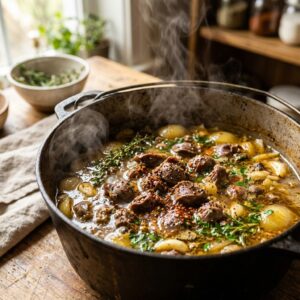
If there’s one thing to remember about cooking gizzards, it’s this:
Don’t rush them.
Because gizzards are muscular, quick cooking can leave them tough and chewy.
Moist, gentle heat gives the connective tissue time to soften.
Step 1: Clean and Prepare the Gizzards
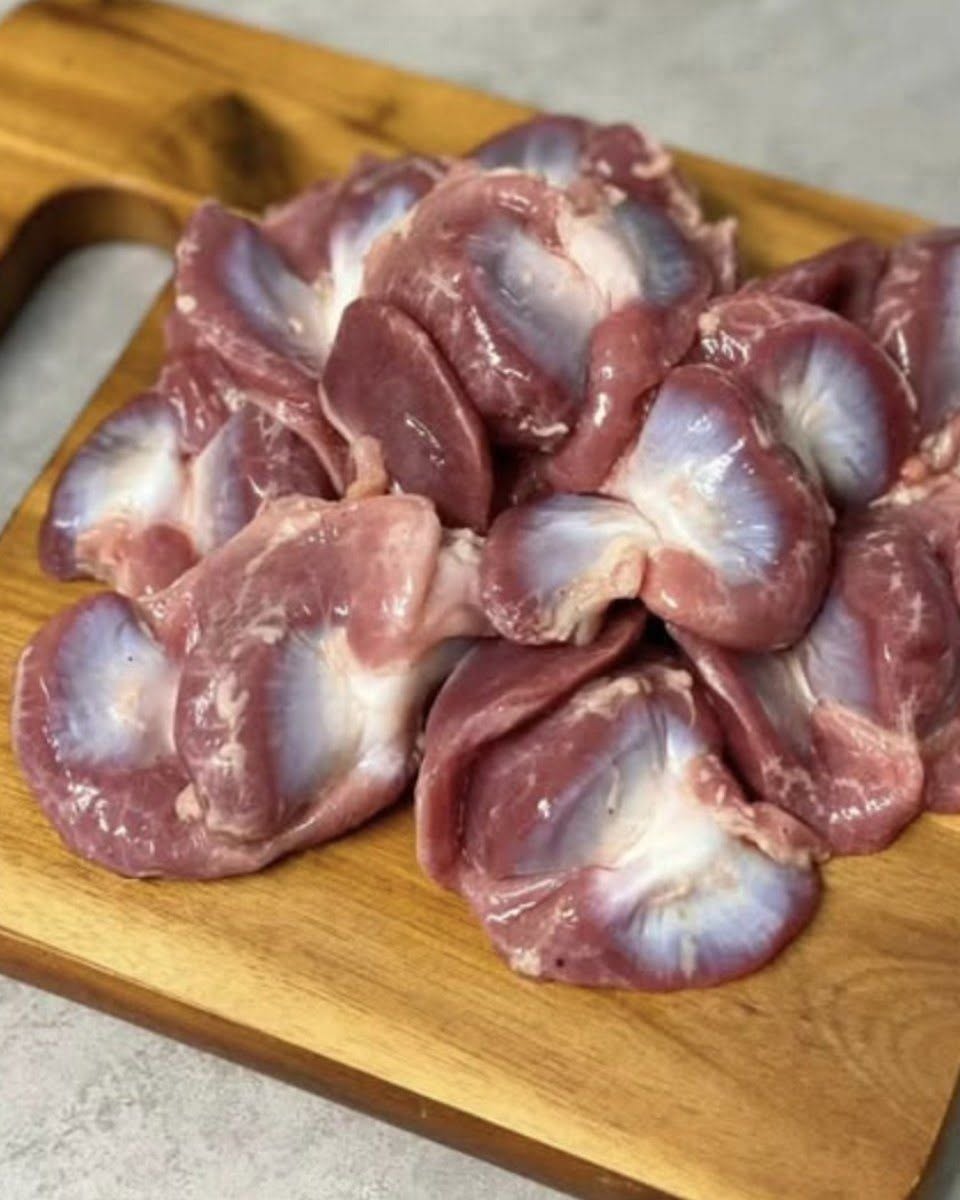
Remove any packaging and inspect the gizzards.
You may need to trim away visible connective tissue or tough pieces depending on how the gizzards were sold.
One important correction to the original recipe instructions: there is no need to rinse raw chicken gizzards under running water. USDA food-safety guidance advises against washing raw poultry because splashing water can spread bacteria around the kitchen.
Instead, handle the raw gizzards carefully and move directly to trimming and cooking.
Wash your hands, utensils, cutting boards, and work surfaces thoroughly after handling raw poultry.
Step 2: Cut the Gizzards Into Pieces
Depending on their size, you can leave smaller gizzards whole or cut larger ones into bite-sized pieces.
Uniform pieces are helpful because they cook more evenly.
If you are planning to braise them, relatively large pieces work well because they’ll shrink somewhat during cooking.
Step 3: Sear the Gizzards
Heat about 1 tablespoon of cooking oil in a heavy pot or Dutch oven over medium-high heat.
Add the prepared gizzards in a single layer if possible.
Sear them for several minutes, turning occasionally, until they develop some golden-brown color.
This step isn’t essential, but it can add extra depth to the final dish.
Don’t worry if they aren’t tender yet.
That’s not what this stage is for.
Step 4: Add Aromatics and Broth
Add:
- 1 sliced onion
- 2 minced garlic cloves
- 1 cup chicken broth
- 1 bay leaf
- Salt and black pepper
- Paprika, if desired
- Thyme, if desired
Bring the liquid to a gentle simmer.
Avoid a violent boil. Gentle cooking is exactly what you want.
Step 5: Braise Until Tender
Continue on the next page