
What If Family Members Disagree?
Disagreements are common when several people have different emotional connections to the same belongings.
Try to avoid turning every object into an argument.
For valuable or disputed items, return to the estate documents and the legally authorized person’s instructions.
For sentimental items, consider alternatives such as:
- Making copies
- Taking photographs
- Sharing collections
- Rotating family keepsakes
- Creating a memory box
- Discussing the item calmly before making a decision
If an important asset is disputed, professional legal advice may be appropriate.
Cultural and Spiritual Beliefs About Belongings
Different cultures and families have traditions about what should or shouldn’t remain in a home after someone dies.
Some people believe certain belongings should be removed immediately. Others believe that keeping photographs, clothing, jewelry, or other personal possessions is an important way of remembering someone.
These traditions can be meaningful.
However, it is useful to distinguish cultural or spiritual beliefs from practical facts.
There isn’t one universal rule saying that every family must throw away or avoid keeping the same four belongings.
The practical concerns are usually about:
- Safety
- Privacy
- Estate administration
- Ownership
- Financial obligations
- Emotional wellbeing
- Local law
Families can respect their traditions while still handling these practical issues carefully.
How Long Should You Wait Before Sorting Belongings?
There is no universal deadline for sorting ordinary personal possessions.
Some families need to organize a home quickly because of a lease, sale, or other practical situation. Others have more time.
If you have flexibility, there is often value in sorting gradually rather than making every decision during the first few days.
A useful approach is:
First: secure important documents, medication, valuables, and sensitive information.
Next: identify property belonging to the estate.
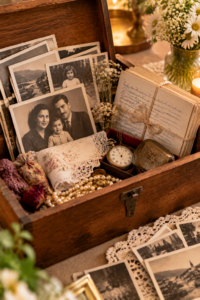
Then: preserve meaningful photographs and keepsakes.
Finally: sort ordinary household belongings into donate, recycle, sell, or discard categories.
Frequently Asked Questions
What are the four things you shouldn’t simply keep after someone dies?
There is no universal legal rule that says every family must never keep four specific belongings. Instead, four categories deserve special attention: unused medications, important documents, personal/digital information, and valuable or estate property.
Should I throw away all of the person’s clothes?
No. Ordinary clothing can usually be sorted, donated, or kept according to the family’s circumstances. There is no universal requirement to throw away clothing simply because someone has died.
Can I keep photographs of a family member who died?
Yes. Photographs can be meaningful family keepsakes. Consider preserving both original photographs and digital copies of particularly important images.
Should I keep their old medications?
Don’t take or use someone else’s prescription medication. Unused or expired medicine should be handled according to local disposal guidance. In the U.S., the FDA recommends drug take-back options for most unused or expired medicines.
Can I take jewelry from the person’s home?
Don’t assume that you can simply take valuable property. Jewelry may be part of the estate and should be handled according to the will, ownership arrangements, and applicable law.
What should I do with their phone?
Keep it secure until the appropriate person handling the estate determines what should happen to the device and its information. Don’t immediately reset it if it may contain important documents, photographs, contacts, or account information.
Do family members have to pay a deceased person’s debts?
Not automatically. In the United States, debts are generally handled through the deceased person’s estate, although exceptions can apply to co-signers, joint account holders, spouses under certain state laws, and other situations.
Is it bad luck to keep a deceased person’s belongings?
That is a matter of cultural, spiritual, or personal belief rather than a universal factual rule. Families may have traditions about belongings, but those traditions vary considerably.
Final Thoughts
When a family member dies, dealing with their belongings can be one of the hardest practical parts of the process.
The most important thing is not to believe every dramatic rule you see online about what you should “never” keep.
Instead, slow down and separate belongings according to what they actually require.
Medications need safe disposal.
Documents may be important for the estate.
Digital devices and personal information need privacy and careful handling.
Valuable property should not be distributed or sold without considering ownership and estate requirements.
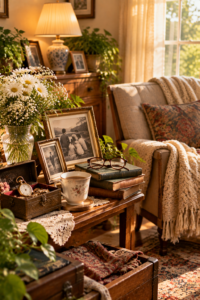
At the same time, ordinary personal belongings can be handled with compassion and patience. Photographs, letters, recipes, and small keepsakes may become treasured parts of a family’s history.
There is no single correct way for every family to handle a loved one’s possessions. The best approach is to combine practical care, respect for family wishes, and the appropriate legal or professional guidance when significant property or financial matters are involved.