
The 95-Year-Old Chinese Doctor’s Daily Drink: A 3-Ingredient Elixir for Liver Health, Digestion & Radiant Skin

At 95, Dr. Li still rises at dawn, walks three miles, and consults with patients—something he credits not to luck, but to a simple morning ritual he’s practiced for over 60 years: a vibrant, ruby-red drink made from just three humble ingredients—tomato, carrot, and lemon.

While it may sound too simple to be true, this traditional tonic aligns with both ancient Chinese medicine principles and modern nutritional science. It’s not a “miracle cure”—but a daily act of nourishment that supports your liver, soothes your gut, and helps your body thrive at any age.

In this guide, you’ll discover:
✅ Why this trio works synergistically for detoxification and digestion
✅ The science behind each ingredient (including lycopene, beta-carotene, and vitamin C)
✅ How to make the drink perfectly—plus timing, frequency, and safety tips
✅ What to expect (realistic benefits over days and weeks)

Because true vitality isn’t about extreme cleanses—it’s about consistent, gentle support.

🌿 A Tradition Rooted in Wisdom—Not Hype

In Traditional Chinese Medicine (TCM), the liver is considered the “general” of the body—responsible for smooth energy flow (Qi), emotional balance, and detoxification. A stagnant or overburdened liver is linked to fatigue, irritability, digestive issues, and dull skin.

This drink doesn’t “flush” or “shock” the system. Instead, it nourishes and gently stimulates—exactly as TCM recommends for long-term harmony.

And modern science agrees: each ingredient offers clinically studied benefits for liver and gut health.

🔬 The Power of Three: Why This Combo Works

1. Tomato: The Lycopene Liver Protector


continued reading in the next page



Read more

Check the comments for the full DIY recipe

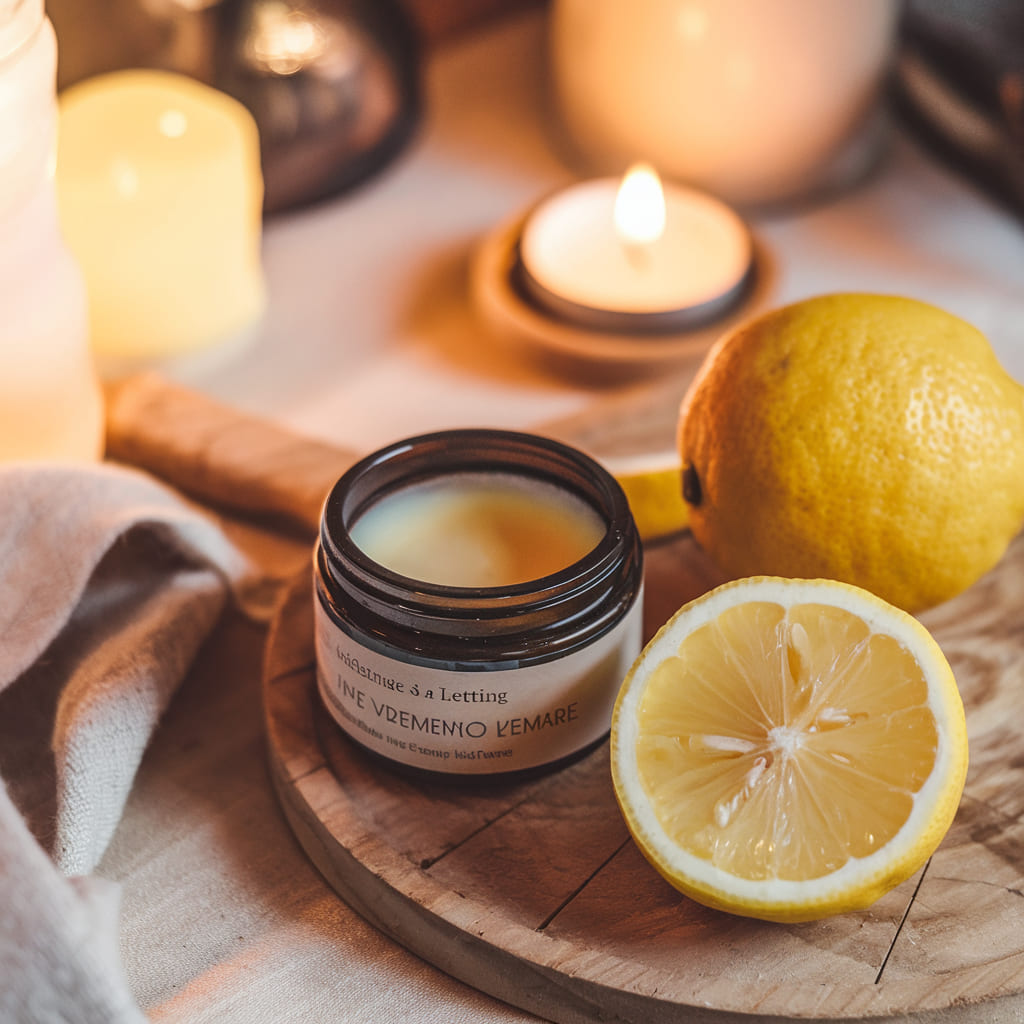
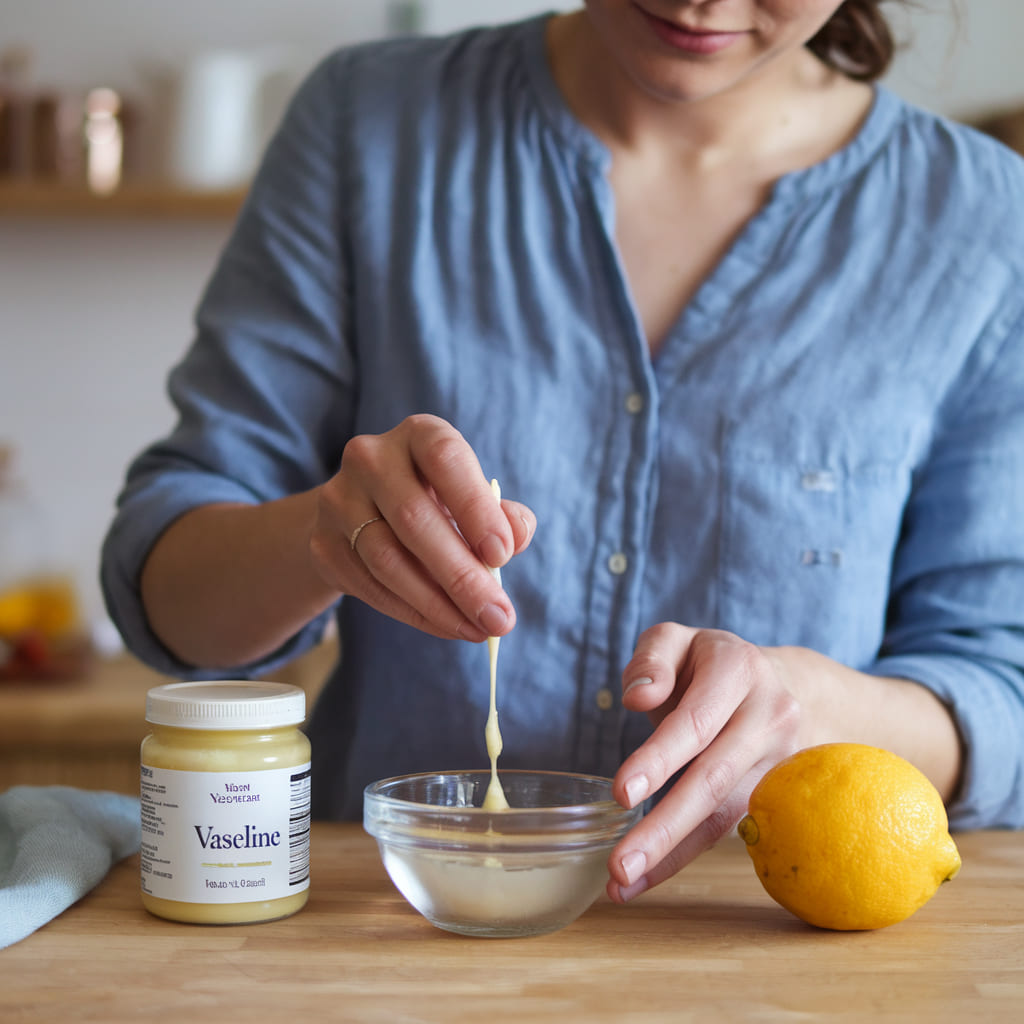
For centuries, women have turned to natural ingredients to enhance their beauty. Two such ingredients, Vaseline and lemon, have stood the test of time, offering a simple yet effective solution for various skin concerns.

Vaseline, a petroleum jelly, is renowned for its moisturizing and dryness-preventing properties.. Lemon, on the other hand, is a citrus fruit packed with vitamin C, a potent antioxidant that helps brighten the skin and fade dark spots.

In this article, we’ll explore the benefits of mixing Vaseline and lemon, and provide you with some easy-to-follow DIY recipes to incorporate into your skincare routine.

Table of Contents

#1. A Vaseline and Lemon Skincare Duo for Most Skin Types

While Vaseline and lemon can be beneficial for many skin types, it’s important to understand how they might affect different skin concerns:

Normal to Dry Skin:

  • Hydration: Vaseline’s occlusive properties help seal in moisture, making it ideal for dry skin.
  • Brightening: Lemon juice can help brighten dull skin and even out skin tone.

Oily Skin:

  • Balancing: Lemon juice can help regulate oil production and prevent breakouts.
  • Gentle Exfoliation: The combination can gently exfoliate, removing dead skin cells.

Combination Skin:

  • Targeted Treatment: You can apply the mixture to areas like dry patches or oily T-zone.
  • Balancing Act: The duo can help balance oil production and hydrate dry areas.

Sensitive Skin:

  • Patch Test: Always do a patch test before using any new product, especially those with citrus ingredients.
  • Gentle Application: Use the mixture sparingly and avoid sensitive areas like the eye contour.

While Vaseline and lemon can be a great addition to your skincare routine, it’s essential to listen to your skin. By understanding your skin type and tailoring your skincare routine accordingly, you can harness the power of Vaseline and lemon.

#2. Vaseline and Lemon Nutrient Powerhouse

The combination of Vaseline and lemon offers a potent blend of nutrients beneficial for your skin. Let’s break down the key nutrients and their role in skincare:

Vaseline

  • Hydrocarbons: These compounds form a protective barrier on the skin, preventing moisture loss and keeping it hydrated.

Lemon

  • Vitamin C: A powerful antioxidant that helps brighten the skin, reduces hyperpigmentation, and boosts collagen production.
  • Citric Acid: A natural alpha hydroxy acid (AHA) that gently exfoliates the skin, removing dead cells and revealing a smoother complexion.
Vaseline and Lemon Nutrient Powerhouse

How These Nutrients Work Together:

  • Hydration: Vaseline locks in moisture, preventing dryness and flakiness.
  • Brightening: Vitamin C in lemon juice helps lighten dark spots and evens skin tone.
  • Exfoliation: Citric acid gently removes dead skin cells, promoting cell turnover.
  • Antioxidant Protection: Vitamin C helps protect the skin from damage caused by free radicals.
Vaseline-and-Lemon-Nutrient-Powerhouse-1

By combining these nutrient-rich ingredients, you can create a simple yet effective skincare routine that addresses a variety of skin concerns.

#3. DIY Remedies with Vaseline and Lemon


Read more

I Found This Strange Black Creature in My Garden — Here’s What It Really Is

I Found This Strange Black Creature in My Garden — And It Wasn’t a Worm

Imagine walking through your garden after a rainy evening and suddenly noticing something unusual moving across the path.

At first glance, you might think it is an ordinary earthworm or perhaps even a leech. But when you look closer, something does not seem quite right.

The creature is dark, glossy, almost black, with a distinctive pale stripe running along its back. Instead of crawling or inching forward like a typical worm, it seems to glide smoothly across the wet surface.

That unusual appearance is enough to make almost anyone stop and wonder:

What exactly is this strange creature?

A Mysterious Visitor in the Garden

Gardens are home to countless small animals that we rarely notice. Many spend most of their lives underneath leaves, stones, logs, soil, and other damp hiding places.

After rain, however, conditions change.

Moisture can encourage worms, slugs, snails, and other soft-bodied creatures to leave their hiding places and move across exposed surfaces.

That is often when homeowners discover animals they have never seen before.

A dark, flattened creature with a light-colored stripe can be particularly surprising because it may look very different from the familiar earthworms normally found in gardens.

Its smooth movement can make it appear almost like a tiny leech sliding across the ground.

But appearances can be misleading.

It Could Be a Land Flatworm

Based on characteristics such as a flattened body, glossy appearance, pale stripe, and smooth gliding movement, one possibility is that the animal belongs to a group commonly known as land flatworms.

Land flatworms are terrestrial relatives of other flatworms and are generally found in moist environments.

Unlike ordinary earthworms, their bodies can appear noticeably flatter and smoother.

Some species also have distinctive stripes or patterns running along their bodies.

Their movement is another clue.

Rather than stretching and contracting in the obvious way an earthworm does, a land flatworm can appear to glide over a thin layer of mucus.

This can make its movement look surprisingly smooth.

However, identifying a species from a photograph alone can be difficult. Color, size, head shape, location, and other physical characteristics may all be important for an accurate identification.

Read more

Got moonflowers? 9 critical things you must do this July to get fragrant white trumpet blooms opening every single night

If you grow moonflowers, July is the month when everything either clicks into place or gets frustrating fast. I’ve learned that the hard way in my own Midwest backyard, usually sometime after a hot workday when I head outside with a watering can, hoping for those huge white blooms by dusk and instead finding lots of leafy vine with very little show. Moonflowers can be absolutely spectacular in midsummer, but they do need the right kind of attention right now if you want those fragrant white trumpets opening night after night.

The good news is that July care is wonderfully practical. You do not need fancy products or a master gardener certificate. You need a few smart habits: steady moisture, the right feeding, better support, regular checking for pests, and a little strategic pruning. I’m going to walk you through the exact things I do in July to keep moonflowers growing hard, setting buds, and opening when the evening air finally cools down.

1. Check that your moonflowers are getting a full 6 to 8 hours of direct sun

Moonflowers will climb and survive in partial shade, but if you want abundant blooms, July is the time to be honest about light. I aim for at least 6 hours of direct sun, and 8 is even better. Morning sun plus bright afternoon light works well in my yard, but a spot shaded after lunch by a fence or maple tree usually gives me more leaves than flowers.

If your plant is in a container, move it now rather than waiting. A large pot on a patio can often be shifted 3 to 6 feet into a brighter position and make a real difference within 2 weeks. If it is planted in the ground and heavily shaded, focus on maximizing everything else on this list, because sunlight is often the limiting factor when bloom production stalls.

2. Water deeply instead of sprinkling lightly

July heat can dry out moonflowers faster than people expect, especially when vines are actively climbing and setting buds. I water deeply 2 to 3 times per week in average summer weather, enough to moisten the soil about 6 to 8 inches down. In a heat wave with temperatures in the upper 80s to mid-90s, I check daily and often water containers every day.

For in-ground plants, a good target is roughly 1 to 1.5 inches of water per week total, including rain. For containers, I water until it runs from the drainage holes, then empty saucers if they stay full. Shallow watering encourages shallow roots, and those roots stress out fast. Deep watering helps keep growth even, which supports more buds and better flower opening at night.

Read more

How To Keep Strawberries Fresh For Longer

In my humble opinion, strawberries are one of the most delicious fruits in existence. However, the crumby thing about strawberries is that they are so hard to keep fresh. It feels like 24 hours after you bring strawberries home, they become mushy and covered in mold. Also, strawberries aren’t the cheapest fruit, so it’s really a shame to spend money on something that you can’t even enjoy.
source: Marches Publics de Montreal

So, what’s the solution to this problem? Well, vinegar is! All you have to do is mix a splash of vinegar with some water. Then, soak the strawberries in the vinegar and water solution for a few minutes. When the time is up, remove the strawberries from the bowl and use a paper towel to pat them dry. The vinegar and water solution will remove the mold spores from the strawberries, which are what cause the berries to rot so quickly.
source: Treehugger / Flickr

Once dry, don’t bother putting the strawberries back in their container. The container will make them damp and moist, which will just encourage the mold to grow again. Instead, just place the dried strawberries on a paper towel and stick them right in the fridge. You’ll be astonished to see how long your strawberries will stay fresh when you try this hack right after buying them!

Read more

Why Is There a Notch in My Cake Fork?

Yeah, those little dainty forks you only seem to notice at weddings—or anytime someone decides to serve cake on real plates rather than paper ones. Ever take a close look? And wonder why one of the tines is all funny-looking? Like there’s a little notch or groove carved out of the left-side tine? It almost looks like a manufacturing defect, like some factory machine skipped a step in creating the fork. But… not. It’s on purpose—and honestly, kind of clever.

The thing is, most of us just go ahead and jam a fork into cake and do our thing. But the cake fork is apparently an actual utensil with some odd idea behind what it does—or at least how it looks. That notch? It’s on the far-left tine, but it’s not there to balance out the fork. It’s to help you cut your cake—in case you didn’t know. Like, you don’t even need a knife. One-handed cake control. I guess you could call it a tool, not just a utensil. Or both.

So, the left-side tine of the fork is usually a bit bulkier than the others—and that little notch acts as a pressure guide. The idea is you press the fork’s side into your slice of cake, and that notch gives you guidance for your cut as you press down. It’s not aggressive like a serrated knife or anything, but it will allow you to slice through soft layers—frosting, sponge, even that slightly-too-dense bottom of a store-bought sheet cake—without just mangling everything. In essence: cleaner cuts, fewer crumbs, less sad frosting smears.

Read more

Slow Cooker 3-Ingredient Brown Ale Pork Chops

These Brown Ale Pork Chops deliver deep, malty flavor with just three simple ingredients: bone-in pork chops, brown ale, and onion soup mix. Slow-simmered until fork-tender in a rich, savory gravy, they’re perfect over mashed potatoes, egg noodles, or buttered rice.
Inspired by pub-style comfort food—but made effortlessly in your slow cooker—this dish proves that bold flavor doesn’t require a long ingredient list.
Why You’ll Love This Recipe
🍻 Only 3 ingredients—pantry & fridge staples!
⏱️ 10 minutes prep, then walk away
💛 One slow cooker = easy cleanup
💸 Costs under $10—feeds 4 generously
🌾 Naturally nut-free & gluten-free (use GF beer & soup)
Ingredients You’ll Need
(6-quart slow cooker)
4 bone-in pork chops (about 1 inch thick)
12 oz (1 bottle) brown ale (like Newcastle, Samuel Smith’s, or any malty amber/brown ale)
1 (1 oz) packet dry onion soup mix (like Lipton)
💡 Pro Tips:Use bone-in chops—they stay juicier during long cooks.Pat chops dry before placing in slow cooker—helps them hold shape.Don’t stir after layering—keeps the sauce concentrated and chops intact.

Step-by-Step Instructions (Tender, Saucy, Foolproof)

For Complete Cooking STEPS Please Head On Over To Next Page Or Open button (>) and don’t forget to SHARE with your Facebook friends

Read more

This natural and effective remedy for relieving constipation

1/9 What is constipation?

Constipation is a digestive disorder characterized by difficulty passing stools. It can become so severe that going to the toilet becomes very difficult, even painful.
© Shutterstock

2/9 It happens to everyone

Whether occasional or chronic, constipation is a disorder that many people are familiar with, particularly women and the elderly.
© Shutterstock

3/9 What are its symptoms?

Continue on the next page:

Read more

Baked Crab Legs in Butter Sauce

Baked Crab Legs in Butter Sauce (Keto) Recipe
Story Behind the Recipe
Imagine a cozy coastal evening, the sun setting over the horizon, and the aroma of fresh seafood wafting through the air. This Baked Crab Legs in Butter Sauce recipe is inspired by the simplicity and elegance of coastal living. It’s a dish that celebrates the rich flavors of the sea, enhanced by the indulgent touch of butter and the zing of fresh herbs and spices. Perfect for a special dinner or a simple weekday meal, this keto-friendly recipe allows you to enjoy the luxurious taste of crab without the guilt. Whether you’re hosting guests or treating yourself to a gourmet experience at home, this dish brings the ocean to your table, complete with all the flavors of a seaside getaway.


Key Considerations and Tips
Freshness is Key: Always choose the freshest crab legs possible. Fresh crab legs will have a sweet, ocean-like scent, and the shells should be firm and intact. If fresh is not available, frozen crab legs are a great alternative.
Proper Thawing: If using frozen crab legs, thaw them in the refrigerator overnight or under cold running water. Avoid thawing at room temperature as it can affect the texture and taste.
Don’t Overcook: Crab legs are already cooked when purchased, so they only need to be reheated. Overcooking can make them tough and rubbery.
Butter Quality: Use high-quality, unsalted butter for the sauce. Unsalted butter allows you to control the saltiness of the dish better.
Adjust to Taste: Feel free to adjust the seasoning, herbs, and spices to your preference. Fresh parsley, lemon zest, or a dash of chili flakes can add a delightful twist.
Ingredients
2 pounds of king crab legs
1 cup unsalted butter
4 cloves garlic, minced
1 tablespoon fresh lemon juice
1 teaspoon paprika
1 teaspoon dried parsley or 1 tablespoon fresh parsley, chopped
Salt and pepper to taste
Lemon wedges, for serving

Instructions

For Complete Cooking STEPS Please Head On Over To Next Page Or Open button (>) and don’t forget to SHARE with your Facebook friends

Read more

Tropical Pineapple, Papaya, and Ginger Immunity Drink

If you are looking for a refreshing homemade  drink packed with tropical flavor, this pineapple, papaya, ginger, and citrus blend is a perfect choice. Made with natural ingredients and warm spices, this vibrant  beverage is loved for its delicious taste and comforting aroma. Whether served chilled on a hot afternoon or enjoyed warm during cooler days, this fruity drink brings together sweetness, spice, and freshness in every sip.

Sampling Specialty Craft Beverages

This recipe combines juicy pineapple, ripe papaya, mandarin oranges, ginger, cloves, and cinnamon to create a naturally flavorful drink that is easy to prepare at home. The result is a bright orange beverage with a smooth texture and a rich tropical taste.

Why This Tropical  Drink Is So Popular

Homemade fruit drinks have become increasingly popular because they are simple to make and allow people to enjoy natural ingredients without artificial flavors or preservatives. This recipe stands out thanks to its unique mix of tropical fruits and warming spices.

Pineapple adds sweetness and a refreshing tangy flavor, while papaya contributes a smooth texture and subtle tropical notes. Fresh ginger brings warmth and spice, creating a balanced drink that feels comforting and energizing at the same time.

Commissioning Custom Graphic Artwork

The addition of cinnamon sticks and cloves gives the beverage a deeper aroma that makes it especially enjoyable during colder seasons. Mandarin oranges provide extra citrus flavor and brighten the entire recipe.

Ingredients for Pineapple Papaya Ginger Drink

To make this delicious homemade tropical drink, you will need:

  • 1 medium ripe papaya
  • 1 fresh pineapple
  • 4 mandarin oranges
  • 1 piece fresh ginger
  • 1 cinnamon stick
  • 1 teaspoon whole cloves
  • 4 cups water
  • Honey or natural sweetener (optional)

Using ripe fruit is important because it naturally enhances the sweetness and flavor of the drink.

Read more

error: Content is protected !!