
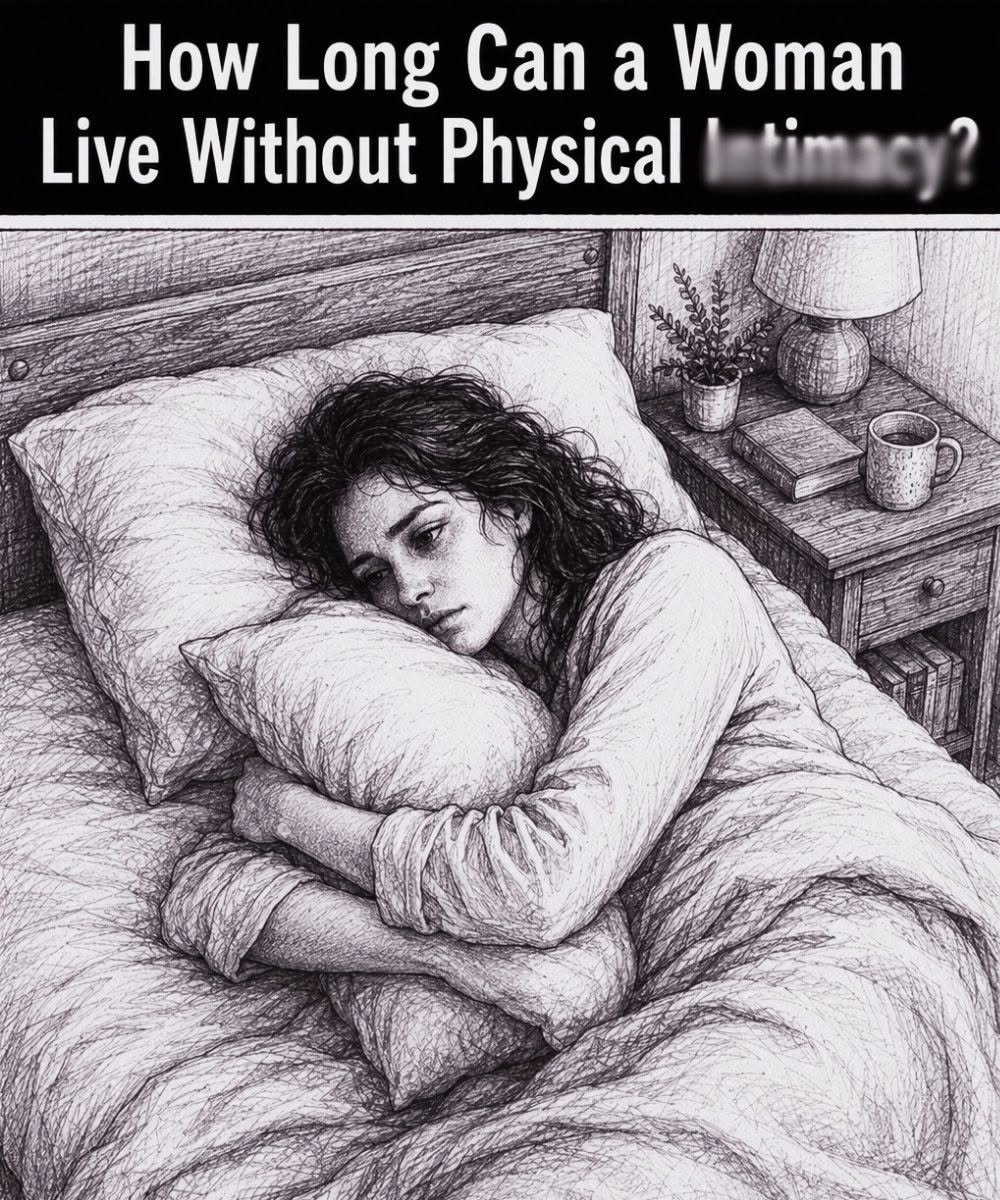
How to Cope When the Lack of Intimacy Is Unwanted
Identify What You Actually Miss
Ask whether you miss sexual activity, affectionate touch, emotional connection, companionship, reassurance, or feeling desired.
Identifying the unmet need makes it easier to find an appropriate solution.
Communicate Without Blame
In a relationship, choose a calm moment and speak about feelings rather than accusations.
For example:
“I miss feeling close to you, and I would like us to talk about ways we can reconnect.”
Avoid treating intimacy as a debt or obligation.

Rebuild Emotional Connection
Shared activities, uninterrupted conversations, affectionate gestures, date nights, and mutual appreciation can help rebuild closeness.
Take Care of Physical Symptoms
Consult a healthcare professional about dryness, pain, bleeding, hormonal changes, fatigue, or medication side effects.
Strengthen Social Support
Friendships, community activities, family contact, hobbies, exercise, volunteering, and therapy can help reduce isolation.
Consider Professional Counseling
A qualified therapist can help an individual or couple explore differences in desire, communication difficulties, grief, trauma, or relationship dissatisfaction.
When to Speak With a Healthcare Professional
Arrange a medical appointment when you experience:
- A sudden, unexplained loss of sexual desire
- Persistent pain during sexual activity
- Vaginal dryness that causes discomfort
- Bleeding after sexual activity
- Unusual discharge, itching, sores, or odor
- Pelvic pain
- Symptoms of depression or severe anxiety
- Distress related to medication side effects
- Menopause symptoms affecting daily life
- Past trauma that makes physical contact distressing
The NHS explains that loss of libido may be associated with relationship problems, sexual discomfort, menopause, mental-health conditions, medication, hormonal contraception, and certain medical problems. Read the NHS guidance on loss of libido and possible treatments.
Seek urgent help if a relationship involves violence, coercion, threats, or sexual activity without consent.
Frequently Asked Questions
How long can a woman go without sexual activity?
There is no maximum period. A woman can live without sexual activity indefinitely. Whether she feels comfortable doing so depends on her needs and circumstances.
Does a woman become unhealthy without intimacy?
Not automatically. Abstinence alone does not cause disease. Unwanted isolation or relationship distress, however, may affect emotional well-being.
Can lack of sex cause depression?
Sexual abstinence itself does not automatically cause depression. However, loneliness, rejection, relationship conflict, and social isolation may contribute to low mood. Persistent depression symptoms require professional support.
Does the body stop producing hormones without sex?
No. Hormone production is not dependent on having sexual intercourse. Hormone levels change with age, pregnancy, breastfeeding, menopause, medication, and health conditions.
Can a relationship survive without sex?
Yes, when both partners are comfortable with the arrangement and continue to communicate honestly. Problems are more likely when expectations differ and the issue is avoided.
Is low desire always a medical disorder?
No. Desire varies widely. It may warrant evaluation when it is a persistent change, causes personal distress, affects a relationship, or occurs with pain or other symptoms.
Is physical affection important even without sex?
It can be important for people who enjoy it. Hugging, hand-holding, and cuddling may provide comfort and connection, but all forms of touch still require consent.
Conclusion
A woman can live indefinitely without sexual activity. There is no medical countdown and no universally correct frequency for physical intimacy.
The important question is not simply how long she can live without it, but whether the situation is voluntary, comfortable, safe, and consistent with her emotional needs.
When living without physical intimacy feels peaceful and chosen, it does not need to be treated as a problem. When it causes loneliness, pain, distress, or relationship conflict, honest communication and appropriate professional support can help.