
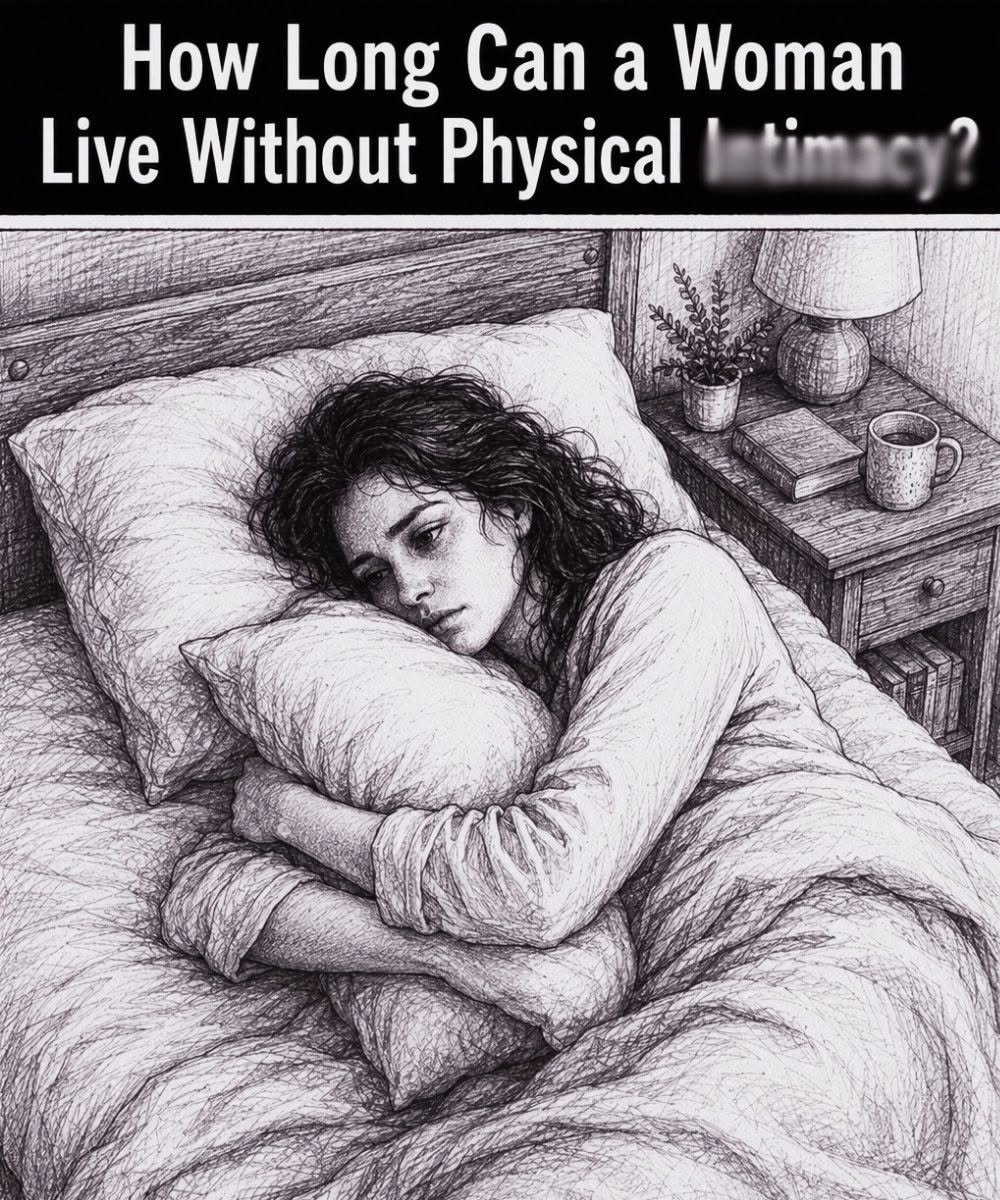
Seven Honest Facts About Living Without Physical Intimacy
Living Without Physical Intimacy: What It Means for Women
1. There Is No Universal Time Limit
No scientific rule says that a woman must have physical intimacy after a specific number of days, months, or years.
One woman may feel content without it, while another may begin feeling lonely after a relatively short period. The difference usually involves personal needs, relationship expectations, mental health, life circumstances, and individual desire—not a biological countdown.

2. Desire Is Different for Every Woman
Some women experience sexual desire frequently, while others experience it occasionally or not at all.
Sexual interest may also change throughout life because of:
- Stress
- Pregnancy
- Breastfeeding
- Menopause
- Illness
- Fatigue
- Relationship changes
- Medication
- Anxiety or depression
- Past experiences
- Hormonal changes
The Mayo Clinic notes that stress, relationship concerns, poor body image, anxiety, depression, medical conditions, certain medications, pregnancy, breastfeeding, and menopause can all influence sexual desire.
3. Lack of Sex Does Not Automatically Damage the Body
There is no strong evidence that sexual abstinence alone causes a healthy woman’s body to deteriorate.
Changes such as vaginal dryness, discomfort, or reduced elasticity can occur, particularly around menopause, but these changes are commonly associated with declining estrogen and other health factors—not simply with the number of months since a woman last had sex.
The American College of Obstetricians and Gynecologists explains that low estrogen after menopause can contribute to thinning, dryness, and inflammation of vaginal tissue.
A woman experiencing dryness can discuss lubricants, vaginal moisturizers, or appropriate medical treatments with a qualified healthcare professional.
4. Unwanted Loneliness Can Affect Emotional Well-Being
Choosing not to have physical intimacy is different from wanting intimacy but being unable to experience it.
When the absence is unwanted, a woman may experience:
- Loneliness
- Sadness
- Rejection
- Reduced confidence
- Irritability
- Relationship insecurity
- Difficulty sleeping
- Increased stress
- Emotional distance from a partner
These feelings may be related to isolation or relationship difficulties rather than sexual abstinence itself.
Physical affection is only one form of human connection. Supportive friendships, family relationships, community involvement, pets, therapy, and meaningful social activities can also provide belonging and emotional comfort.
5. Nonsexual Touch Can Still Be Meaningful
Closeness does not always need to become sexual. Consensual hugging, holding hands, cuddling, or sitting close can help people feel supported and connected.
For couples with different levels of desire, rebuilding nonsexual affection can sometimes reduce pressure and create space for honest communication.
Both people should understand that affection does not automatically create an obligation to have sex.
6. Relationship Pressure Can Make the Situation Worse
No woman owes another person sexual activity. Consent must be voluntary, informed, and ongoing, regardless of relationship status or the length of time since the couple was last intimate.
Pressure, guilt, threats, manipulation, or fear are not healthy ways to address mismatched desire.
The World Health Organization describes sexual well-being as requiring a positive and respectful approach, with experiences free from coercion, discrimination, and violence. Read the WHO’s overview of sexual health and well-being.
7. Help Is Available When the Situation Causes Distress
Low desire or lack of intimacy only becomes a problem when it causes distress, pain, conflict, or a noticeable decline in well-being.
A healthcare professional can investigate physical and psychological contributors. A licensed therapist or qualified couples counselor may help with communication, emotional distance, past trauma, or differences in desire.