
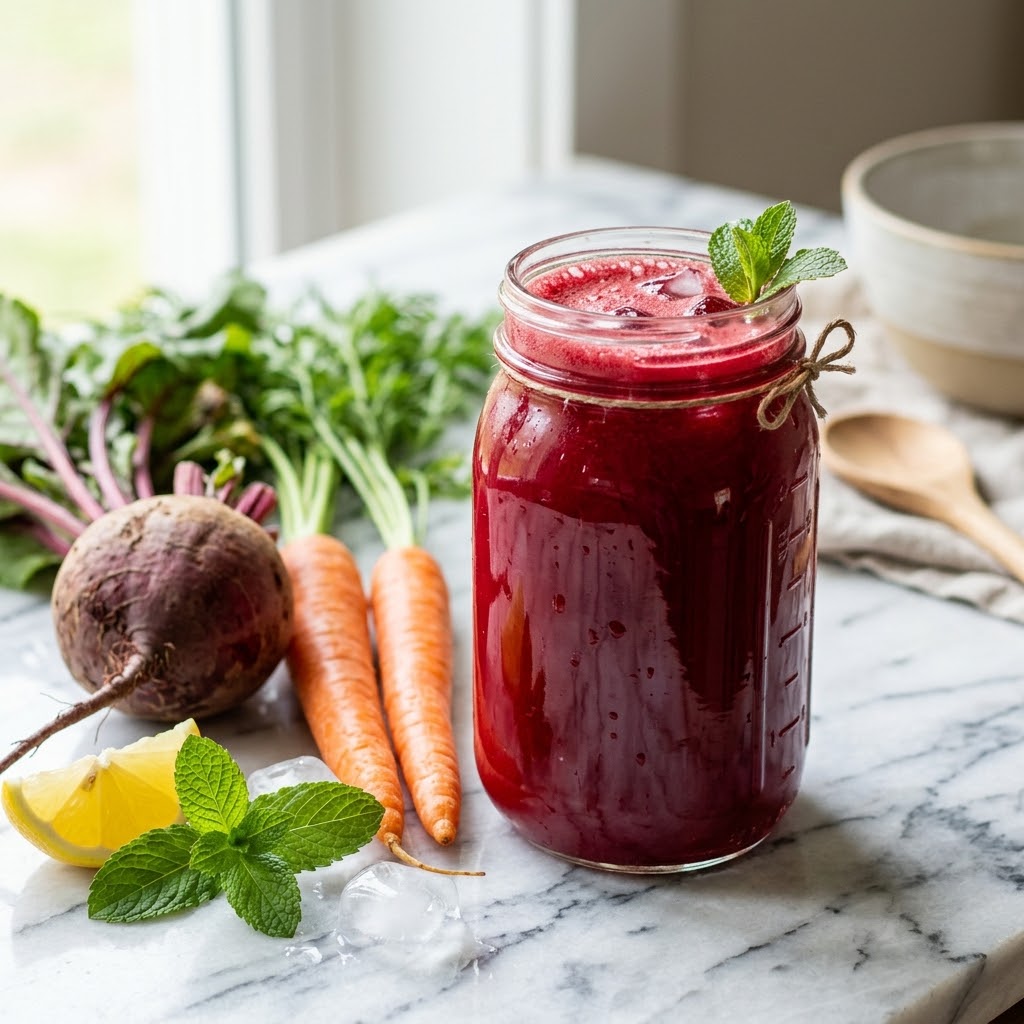
This is one of the most important questions surrounding this drink.
No. There is currently no good evidence that carrot and beetroot juice can shrink, eliminate, or cure uterine fibroids.
Uterine fibroids are growths that develop in or around the wall of the uterus. They can cause symptoms such as heavy menstrual bleeding, pelvic pressure, pain, and anemia.
Nutrition is being studied in relation to fibroids, and a diet rich in vegetables and other nutrient-dense foods may be part of a healthy lifestyle. However, current research does not establish carrot and beetroot juice as a treatment for fibroids.
If fibroids are causing heavy bleeding, it is especially important not to rely on juice alone. Heavy bleeding can contribute to iron-deficiency anemia and may require medical treatment.
For more information about medically recognized fibroid treatment options, the NICHD information on uterine fibroid treatments explains that treatment depends on factors such as symptoms, fibroid size and location, general health, and pregnancy plans.
Can It Help With Ovarian Cysts?
Carrot and beetroot juice is sometimes promoted online as a drink that can “dissolve” ovarian cysts.
There is no established evidence that this juice removes or treats ovarian cysts.
Ovarian cysts are fluid-filled sacs that can develop in or on the ovaries. Many are harmless and disappear without treatment, but some require monitoring or medical care depending on their size, appearance, symptoms, and other factors.
If you have an ovarian cyst and experience sudden severe abdominal or pelvic pain, dizziness, weakness, fever, or vomiting, seek medical attention promptly.
A healthy diet can support general nutrition, but it should not replace evaluation of a diagnosed cyst.
What About Carrot and Beetroot Juice for Anemia?
This is a more reasonable nutritional connection, but it still needs context.
Beetroot contains some iron and folate, while adding lemon provides vitamin C, which can improve non-heme iron absorption.
However, this drink isn’t especially high in iron compared with many other iron-rich foods.
If you are trying to increase dietary iron, consider a wider variety of foods such as:
- Beans and lentils
- Chickpeas
- Fortified cereals
- Pumpkin seeds
- Leafy green vegetables
- Meat and seafood, if included in your diet
- Eggs
- Iron-fortified grains
Vitamin-C-rich foods can be included alongside plant sources of iron.
The NIH explains that iron from animal foods is generally more bioavailable than non-heme iron from plant foods, while vitamin C enhances non-heme iron absorption.
If you have confirmed iron-deficiency anemia, don’t assume that drinking juice every day will correct it. Your healthcare provider can determine whether you need iron treatment and investigate why the deficiency occurred.
Easy Carrot and Beetroot Juice Recipe
This simple version uses only a few ingredients.
Ingredients
- 1 medium carrot
- 1 small beetroot
- 1 cup water
- ½ lemon, optional
- 1 teaspoon honey, optional
How to Make It
1. Wash the vegetables well.
Clean the carrot and beetroot under running water and remove any dirt.
2. Peel if desired.
Peeling the beetroot and carrot can give the drink a smoother flavor and texture, although well-scrubbed vegetables can also be used according to your preference.
3. Chop everything into small pieces.
Smaller pieces make blending easier.
4. Add to a blender.
Place the carrot, beetroot, and water into a high-speed blender.
5. Blend until smooth.
Continue blending until the vegetables are thoroughly broken down.
6. Add lemon.
Add fresh lemon juice for brightness and a little acidity. It also provides vitamin C.
7. Strain if preferred.
Continue on the next page