
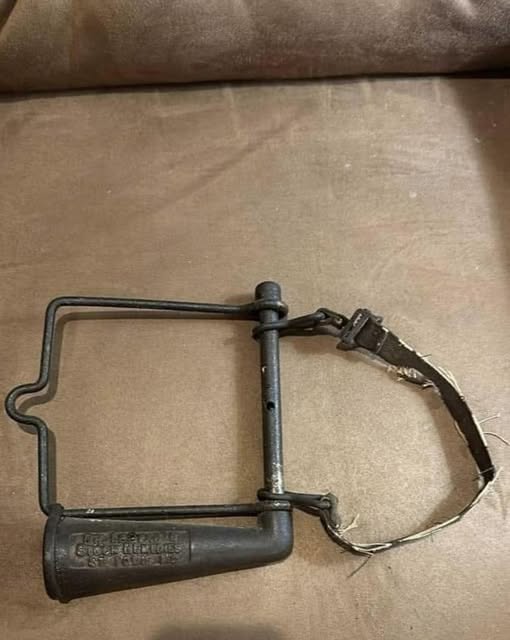
It embodies craftsmanship. These tools were often handmade, with beautiful details that reflect the pride their makers took in their work.
It tells a story. Every scratch, dent, and worn spot on this drencher is a testament to the animals it helped and the people who used it.
It connects you to history. Holding this drencher, you’re holding a piece of veterinary history—a tangible link to the past.
How to Tell if Your Brass Beauty Is a Drencher
If you have a brass object with these features, you’re likely looking at a horse drencher:
A cylindrical reservoir with a wide opening at the top
A long, curved tube extending from the bottom of the reservoir
A plunger or syringe mechanism (if yours is missing, the drencher is still identifiable)
Brass or iron construction (some were made of bronze or copper)
A hook or ring for hanging
If you’re not sure, a local antique dealer or veterinarian may be able to help you identify it.
Frequently Asked Questions
Is it worth anything?
Horse drenchers vary in value. Common ones may sell for $30-$100, while rare or early examples can fetch several hundred dollars. Condition and provenance matter, too.
How old is it?
Most brass drenchers date from the late 1800s to the early 1900s. Some earlier versions are from the 1700s.
Can it still be used?
It’s not recommended—modern veterinary practices are safer and more precise.
How was it sterilized?
Veterinarians would typically boil the drencher in water or use an alcohol solution.
Why did they use brass?
Brass is durable, non-reactive, and relatively easy to clean.
Is it okay to clean it?
Yes, but gently. Avoid using harsh chemicals. Warm soapy water and a soft cloth should be enough. For deeper cleaning, consult an antique specialist.
What should I do with it?
Display it! It’s a beautiful, historical object. You could polish it and place it on a shelf, or keep it as a conversational piece.
A Final Thought
This brass beauty is a reminder of how far veterinary medicine has come—and how much we owe to the ingenuity of those who came before us.
It’s a symbol of the relationship between humans and animals, and of the resourcefulness required to care for creatures so much larger and stronger than ourselves.
If you have one of these in your family, treasure it. It’s not just an antique—it’s a story waiting to be told.
Have you ever found a mysterious antique and wondered what it was? What did it turn out to be? Share your stories in the comments—I’d love to hear about your discoveries! 

