
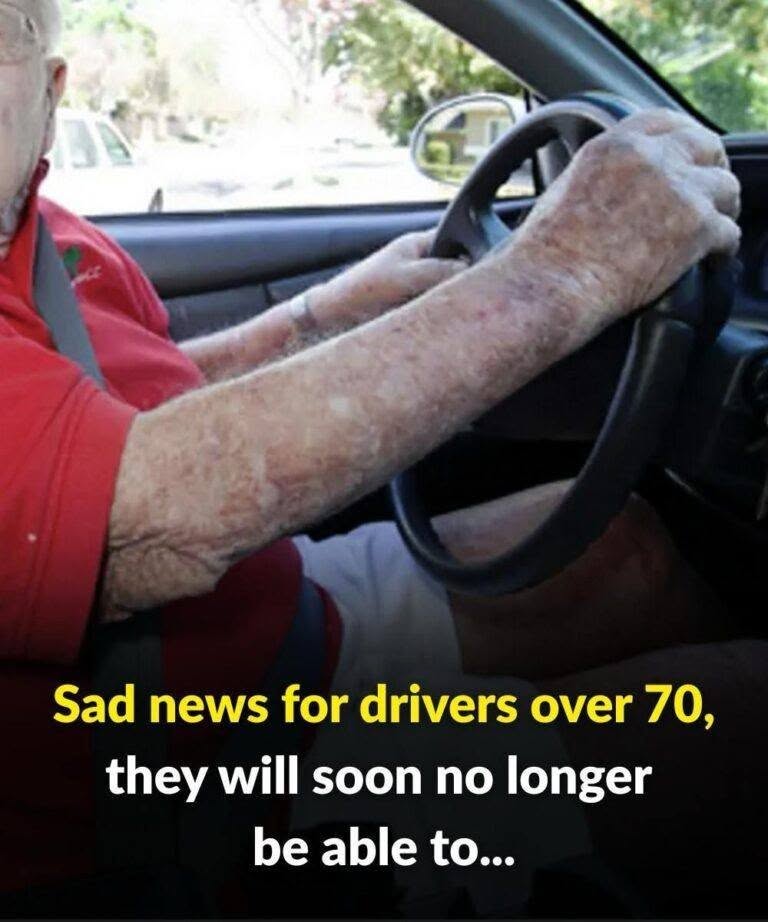
Senior Drivers Over 70: What You Should Know About Driving Rules and Safety Changes
For many people, driving represents much more than transportation. It means independence, freedom, and the ability to visit family, attend appointments, go shopping, and stay connected with the community.
However, as drivers get older, many countries and regions introduce additional safety measures to make sure everyone on the road remains protected. These measures are not designed to automatically remove driving privileges from older adults. Instead, they focus on helping senior drivers over 70 continue driving safely for as long as they are physically and mentally capable.
Recent discussions about older drivers have created confusion online, with some posts suggesting that people over a certain age will suddenly lose their licenses. In reality, driving laws vary widely depending on where you live. Many places simply require more frequent license renewals, vision checks, medical assessments, or driving evaluations.
The goal is simple: keeping experienced drivers on the road while reducing preventable accidents.
Why You’ll Love Understanding These Changes
Understanding how driving rules evolve with age can help older drivers and their families make better decisions.
This information can help you:
- Stay informed about possible license renewal requirements
- Recognize when extra safety checks may be needed
- Maintain confidence while driving
- Prepare for future changes without unnecessary stress
- Find practical ways to continue enjoying independence
Age alone does not determine whether someone is a safe driver. Many people in their 70s, 80s, and beyond remain excellent drivers because they adapt, stay alert, and take care of their health.
What Makes Senior Driving Different?
Driving is a complex activity that requires many skills working together:
- Good vision
- Quick decision-making
- Attention and concentration
- Physical movement
- Memory and awareness
- Ability to judge speed and distance
As people age naturally, some changes may affect these abilities.
For example:
- Vision may become less sharp, especially at night.
- Reaction times may become slightly slower.
- Certain medications may cause dizziness or tiredness.
- Joint stiffness may make turning or checking blind spots more difficult.
These changes do not mean someone must stop driving. They simply mean that adjustments may improve safety.
Home 12 nasty things you do in old age that everyone notices, but no one dares to tell you