
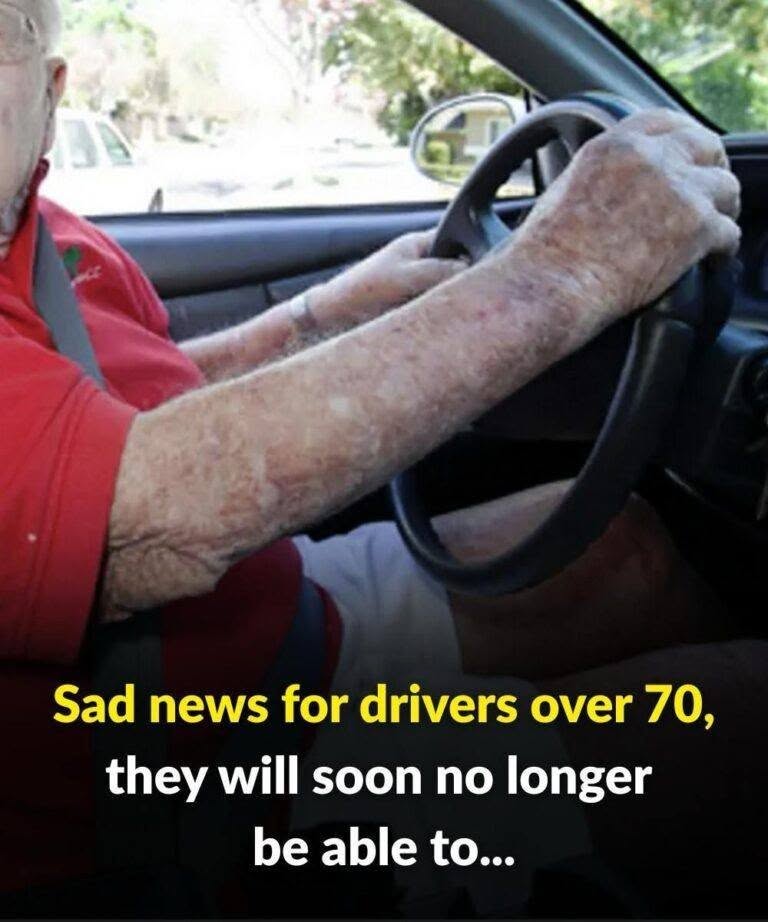
No.
There is no universal rule that says every person over 70 must stop driving.
Different areas have different regulations. Some locations may require:
- More frequent license renewal
- Vision tests
- Medical confirmation
- Written knowledge tests
- Road evaluations in certain situations
These requirements are generally designed to evaluate driving ability, not simply age.
A healthy 75-year-old driver with good vision, awareness, and safe habits may be safer than a younger driver who drives aggressively or while distracted.
Common Reasons Older Drivers May Need Additional Checks
1. Changes in Vision
Vision plays one of the biggest roles in driving safety.
Older adults may experience:
- Difficulty seeing clearly at night
- Increased sensitivity to bright headlights
- Cataracts
- Glaucoma
- Reduced ability to notice objects quickly
Regular eye examinations can help identify problems early.
Simple changes can also help:
- Keeping glasses updated
- Avoiding nighttime driving if visibility is poor
- Reducing dashboard glare
- Keeping the windshield clean
2. Medication Effects
Many older adults take medications for different health conditions. Some medicines can affect driving ability.
Possible side effects include:
- Sleepiness
- Dizziness
- Slower reactions
- Confusion
Drivers should always discuss possible driving effects with their healthcare provider or pharmacist.
Never stop prescribed medication without medical advice.
3. Physical Changes
Driving requires physical movements such as:
- Turning the steering wheel
- Pressing pedals
- Checking mirrors
- Looking over shoulders
Exercises that maintain flexibility and strength may make driving easier.
Adjusting the vehicle can also help:
- Better seat positioning
- Larger mirrors
- Steering wheel adjustments
- Backup cameras
Safety Tips for Senior Drivers Over 70
Choose the Best Driving Conditions
Many older drivers improve safety by choosing when and where they drive.
Consider:
- Driving during daylight
- Avoiding heavy traffic times
- Avoiding bad weather
- Choosing familiar routes
Small adjustments can make a big difference.
Keep a Safe Following Distance
Reaction time can vary from person to person.
Leaving extra space between vehicles gives more time to respond to sudden stops.
A safe distance is especially important when:
- Driving on highways
- Roads are wet
- Traffic is unpredictable
Limit Distractions
Distractions affect drivers of all ages.
Avoid: