
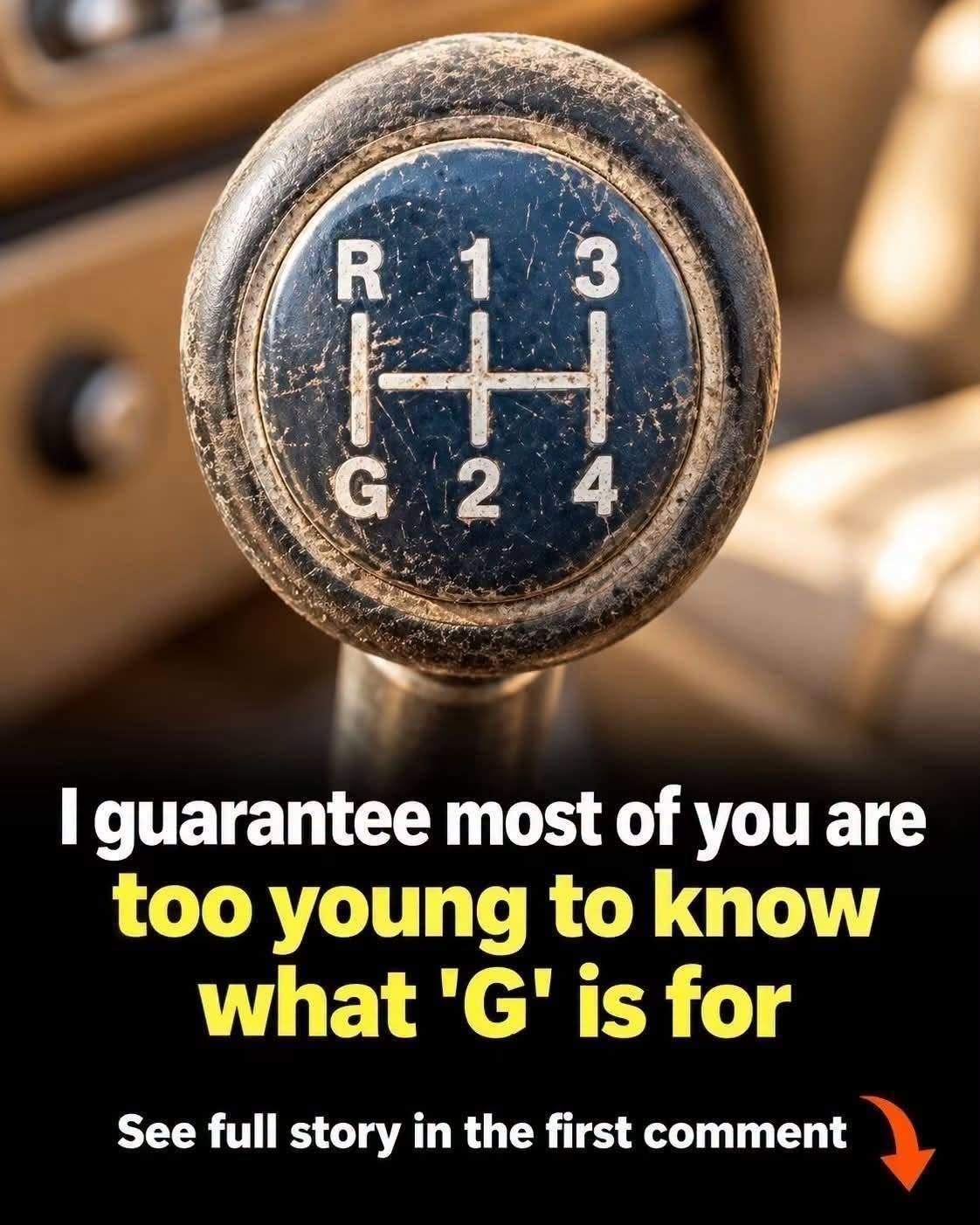
stall.
If you use the clutch to control speed, you generate heat and wear.
With a crawler gear, you can select an extremely low ratio.
Now the wheels turn slowly while the engine continues operating at an appropriate speed.
The vehicle creeps forward.
There is less need to constantly slip the clutch.
You can concentrate more on steering, traction, and terrain.
That’s the fundamental idea.
The vehicle is trading speed for control.
Is Every “G” the Same?
No.
This is an important caution.
A letter printed on a gear selector
is not a universal automotive language.
Different manufacturers and transmission systems can use letters differently.
The context matters.
A vehicle may use “G” as a terrain-related low gear, but another vehicle could use the same letter for something entirely different.
This is why it would be misleading to say:
“Every manual transmission with a G uses it for off-road driving.”
That is not true.
If you encounter an unfamiliar gear marking in a specific vehicle, consult the transmission diagram or owner’s manual before using it.
A manual transmission should never
be operated based solely on something seen in an online article.
The Engineering Behind the Mystery
Perhaps the most interesting lesson here is that a tiny letter on a gear knob can represent a surprisingly sophisticated engineering decision.
Engineers have to balance:
Engine power
Wheel torque
Vehicle speed
Gear ratios
Clutch load
Heat generation
Traction
Fuel consumption
Driver control
A crawler gear is one solution to a very specific problem.
The vehicle needs to move slowly.
The wheels need substantial torque.
The engine needs to remain within a usable operating