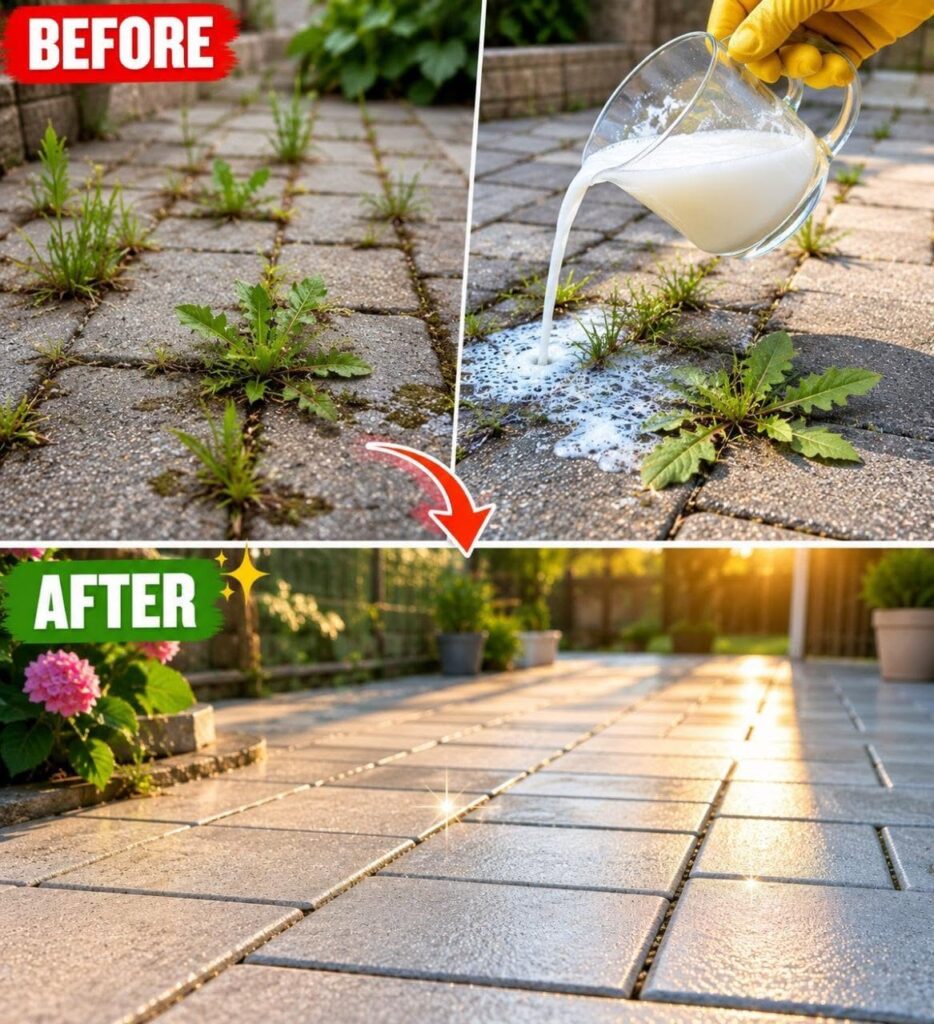
Natural and Powerful Homemade Weed Control

Weeds are one of the most frustrating problems for homeowners, gardeners, and anyone who takes pride in maintaining clean outdoor spaces. They appear between patio stones, invade driveways, creep into flower beds, and seem capable of growing almost anywhere. No matter how often they are removed, they often return stronger than before.


Many people turn to commercial weed killers for quick results. While these products can be effective, they often contain chemicals that raise concerns about pets, children, beneficial insects, and the surrounding environment. As a result, interest in homemade alternatives has grown dramatically in recent years.

One popular solution uses common household ingredients that many people already have in their kitchens. When combined correctly, these ingredients can create a powerful weed-control spray capable of quickly damaging unwanted plants. However, understanding how the mixture works is essential if you want to use it effectively and avoid causing long-term damage to your property.


Why Homemade Weed Solutions Are Becoming More Popular
The appeal of homemade weed control is simple. The ingredients are inexpensive, easy to find, and can often be mixed together in just a few minutes. Many homeowners appreciate having an alternative that does not require purchasing specialized garden chemicals.

Another reason for their popularity is the desire to reduce unnecessary chemical exposure around homes and outdoor living spaces. Patios, sidewalks, and driveways are areas where people, pets, and children spend time, making many homeowners more cautious about what they spray.


However, natural does not automatically mean harmless. Some homemade mixtures can be surprisingly powerful and should be used with care.

The Four Ingredients Behind This Popular Weed Spray
This homemade mixture relies on four simple ingredients that work together to attack weeds in different ways.

White Vinegar

Vinegar contains acetic acid, which damages the outer surfaces of plant leaves. When sprayed directly onto weeds, it removes moisture from the plant tissue and causes visible wilting.


Kitchen Salt

Salt is one of the strongest ingredients in the mixture. It interferes with a plant’s ability to manage water, leading to severe dehydration. This can make it difficult for weeds to recover after treatment.

Citric Acid

Citric acid, commonly associated with citrus fruits, increases the mixture’s effectiveness by further damaging plant tissue when it comes into contact with leaves.


Liquid Dish Soap

Many plant leaves have a waxy coating that causes liquids to slide off. Dish soap helps the spray stick to the surface of the leaves, allowing the other ingredients to remain in contact with the plant longer.

Although these ingredients seem simple, the way they work together may surprise you.
How the Mixture Actually Works
Many people assume this homemade spray completely destroys weeds from root to tip. The reality is more complicated.


This mixture works primarily as a contact treatment. In other words, it damages the parts of the plant that it directly touches. Leaves and stems often begin to dry out quickly after application, especially during hot weather.

However, deep root systems may survive the initial treatment. Perennial weeds with extensive underground structures can sometimes send up new growth even after the visible parts have been destroyed.

This is why repeat applications are often necessary. Each treatment weakens the plant further, eventually exhausting its ability to recover.


What You Need
To prepare this homemade weed-control solution, gather the following ingredients:

300 milliliters of water

1 tablespoon citric acid

200 milliliters white vinegar

1 tablespoon kitchen salt


1 tablespoon liquid dish soap

1 additional liter of water

How to Prepare the Mixture
Step 1: Pour the 300 milliliters of water into a container.

Step 2: Add the citric acid, vinegar, salt, and dish soap.

Step 3: Stir thoroughly until the ingredients are evenly mixed.


Step 4: Allow the solution to sit for several hours so the solid ingredients can dissolve completely.

Step 5: If necessary, strain the liquid through a fine cloth or kitchen strainer to remove any undissolved particles.

Step 6: Add the remaining liter of water and mix again.

Step 7: Pour the finished solution into a spray bottle or garden sprayer.

Best Conditions for Application
Weather plays a major role in the effectiveness of this homemade treatment.

Sunny days typically produce the best results because heat accelerates the drying process. Many users notice visible wilting within hours when weeds are treated during warm weather.

Calm conditions are equally important. Wind can easily carry the spray onto nearby grass, flowers, vegetables, or ornamental plants that you want to protect.

Before spraying large areas, there is one important factor that every homeowner should understand.

The Hidden Risk of Salt
Salt is what makes this mixture especially effective, but it is also what requires the greatest caution.

Unlike vinegar, which breaks down relatively quickly, salt can remain in the soil for long periods. Excessive salt buildup can create conditions that make it difficult for any plants to grow in the treated area.

For this reason, many gardening experts recommend limiting salt-based treatments to places where vegetation is unwanted permanently.

Where This Spray Works Best
Ideal locations include:

• Driveway cracks

• Sidewalk edges

• Gravel paths

• Patio joints

• Walkways

These areas typically benefit from long-term weed suppression and are less likely to be used for future planting.

Where You Should Avoid Using It
Be cautious when using this mixture near:

• Vegetable gardens

• Flower beds

• Newly planted shrubs

• Lawn areas

• Tree root zones

In these locations, salt may negatively affect desirable plants and soil quality.

Tips for Better Results
Always spray directly onto the weed leaves rather than soaking the surrounding soil.

Treat weeds when they are actively growing and have plenty of leaf surface exposed.

Repeat applications may be necessary for particularly stubborn species.

Monitor treated areas regularly and remove dead plant material when appropriate.

The Bottom Line
This homemade weed-control mixture combines vinegar, salt, citric acid, and dish soap to create a powerful solution that can quickly damage unwanted weeds. It is affordable, easy to prepare, and especially useful for driveways, sidewalks, patios, and other hardscape areas.

However, its effectiveness comes with responsibility. Understanding the long-term effects of salt and applying the mixture carefully can help you maintain clean outdoor spaces while avoiding unnecessary damage to your soil and desirable plants.

Used correctly, this simple homemade spray can become a valuable tool in your ongoing battle against stubborn weeds.

Read more

The Number Of Triangles You See Will Reveal Your True Personality

At first glance, this image looks simple: a neat arrangement of chocolate-colored triangles stacked into a larger triangular shape. But don’t be fooled—this visual puzzle has been making people stop, stare, and question their own perception.

The challenge is straightforward: how many triangles do you see?

There’s no timer, no trick instructions. Just look at the image and count the triangles you can find. Once you have a number in mind, read on to see what it might say about the way you think.

If You See 6–7 Triangles

You tend to focus on the obvious and practical.

People in this group are grounded, realistic, and efficient. You notice what’s right in front of you and don’t overcomplicate things. In everyday life, this often makes you reliable and easy to work with—but sometimes you may miss hidden opportunities because you don’t instinctively look beyond the surface.

Your strength: clarity and decisiveness.

Your challenge: slowing down to explore alternative perspectives.

If You See 9–10 Triangles


Continued on next page:

Read more

The Best Stuffed Bell Peppers – Easy, Cheesy & Delicious

Stuffed Bell Peppers
Ingredients:

4 large bell peppers (any color)
1 lb ground beef (or turkey, chicken, or a vegetarian substitute)
1 small onion, chopped
2 cloves garlic, minced
1 cup cooked rice (white, brown, or quinoa)
1 (14.5 oz) can diced tomatoes, drained
1/2 cup tomato sauce
1 tsp dried oregano
1 tsp dried basil
1/2 tsp cumin (optional)
Salt and pepper, to taste
1 cup shredded cheese (cheddar, mozzarella, or a blend)
1/4 cup fresh parsley or cilantro, chopped (optional, for garnish)
Preparation:

Continue reading on the next page →

Read more

Mixing Garlic and Honey with Cloves: A Simple Natural Remedy

Mixing Garlic and Honey with Cloves: A Simple Natural Remedy

Combining  garlic,  honey, and cloves creates a powerful natural blend that has been used in traditional remedies for generations. This mixture is easy to prepare and can support your overall wellness when used as part of a healthy lifestyle.

 Why This Combination Works

Each ingredient brings unique properties:

 garlic

  • Known for natural antibacterial and immune-supporting properties
  • May help support heart health

 honey

  • Soothes the throat and provides natural antioxidants
  • Helps balance the strong taste of garlic

 cloves

  • Rich in antioxidants
  • Traditionally used to support digestion and oral health

 Garlic, Honey & Clove Recipe

Ingredients:


Continued on next page:

Read more

The Cup You Expect to Fill First May Say More About Your Thinking Style Than You Realize

Imagine you are at a gathering, and a fresh pitcher of your favorite drink is placed before you. On the table sit four distinct cups. Without overthinking, which one do you instinctively reach for first?

According to the principles of projective psychology, the objects we are drawn to often mirror our internal landscape. Your choice of cup isn’t merely about aesthetics or thirst—it can reveal your default thinking style, how you process information, and the unique way you navigate challenges.

Take a mental sip, and let’s explore what your instinctive choice says about your mind.

CUP 1: THE STURDY, CLASSIC CERAMIC MUG

(Reliable, warm, and unpretentious)

Your Thinking Style: The Pragmatic Processor

You are grounded, logical, and methodical. When faced with a problem, you don’t leap into wild theories; you look for proven, step-by-step solutions. You value stability, reliability, and substance over flashiness.

How you solve problems: You break complex issues down into manageable, sequential tasks.

Your superpower: Consistency. People deeply trust your judgment because you are thorough and rarely make impulsive decisions.

Potential blind spot: You might occasionally dismiss a highly creative or unconventional idea simply because it feels “too risky” or untested.

CUP 2: THE DELICATE, INTRICATE PORCELAIN TEACUP

(Elegant, detailed, and refined)

Your Thinking Style: The Nuanced Synthesizer

Continued on next page:

Read more

Top Doctor: Eating Eggs Every Day for a Month Could Transform Your Well-being

Doctors And Dietitians Finally Agree On Something!
We all know the importance of including fruits and vegetables in our daily diet for a healthy lifestyle. But a balanced diet includes more than just colorful produce. Now everyone knows that eggs are a good source of protein but did you know what happens to your body when you eat eggs every day for at least one month? The results may surprise you!

Continue on the next page:

Read more

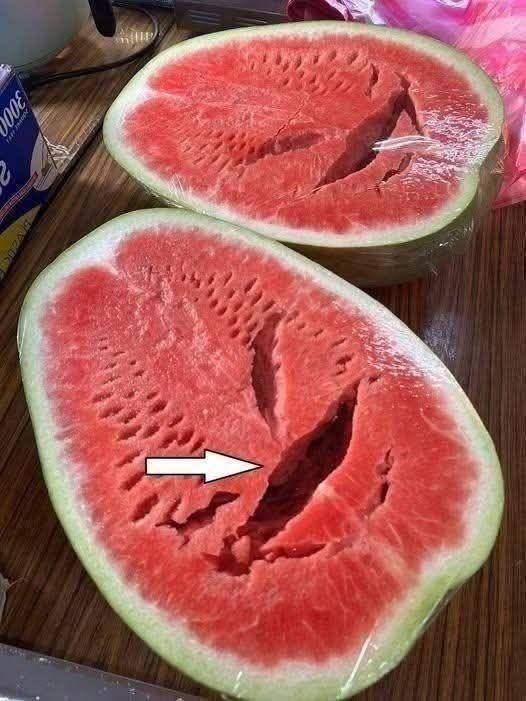
You Cut Open a Watermelon and Saw Cracks? Stop Eating It Immediately! Here’s What It Really Means

Attention: a watermelon with cracks, grooves, or a loose, spongy interior isn’t just an aesthetic issue—it can be a signal that something isn’t right.


Discover more
Online grocery shopping
Vitamin
Health consultation service


Did you know that internal cracks, cavities, or an unusual texture in watermelon flesh may indicate more than just overripeness? In some cases, these changes can signal the use of chemical growth regulators, improper storage, or environmental conditions that affect both quality and safety. Let’s explore what cracked watermelon flesh really means, the science behind growth regulators like chlorfenuron, and how to choose watermelons that are both delicious and safe for you and your family.


Why We Love Watermelons: The Nutritional Powerhouse


Before we dive into safety concerns, it is important to remember why watermelons are so beloved. They are far more than just a sweet summer treat; they are a nutrient-dense food that supports hydration, recovery, and overall wellness.


Discover more
Food storage containers
Home delivery service
Pantry organization solutions


Watermelon is composed of 90 to 92 percent water, making it a hydration hero ideal for hot weather and physical recovery. It is packed with Vitamins A, C, and E, which support immune function, skin health, and antioxidant protection. The fruit’s vibrant red color comes from lycopene, a powerful antioxidant linked to heart health and reduced inflammation. It also contains citrulline, an amino acid that may support blood flow and exercise recovery, alongside essential potassium and magnesium for heart rhythm and muscle function. Furthermore, it acts as a natural diuretic to help eliminate excess fluid and sodium, all while being low in calories and high in satisfaction.


What Do Cracks in the Flesh Really Mean?


Why We Love Watermelons: The Nutritional Powerhouse


Discover more
Bulk food suppliers
Nutritional supplements
Flora & Fauna


Before we dive into safety concerns, it is important to remember why watermelons are so beloved. They are far more than just a sweet summer treat; they are a nutrient-dense food that supports hydration, recovery, and overall wellness.


Watermelon is composed of 90 to 92 percent water, making it a hydration hero ideal for hot weather and physical recovery. It is packed with Vitamins A, C, and E, which support immune function, skin health, and antioxidant protection. The fruit’s vibrant red color comes from lycopene, a powerful antioxidant linked to heart health and reduced inflammation. It also contains citrulline, an amino acid that may support blood flow and exercise recovery, alongside essential potassium and magnesium for heart rhythm and muscle function. Furthermore, it acts as a natural diuretic to help eliminate excess fluid and sodium, all while being low in calories and high in satisfaction.


Discover more
Cooking classes online
Watermelon
flowers


What Do Cracks in the Flesh Really Mean?


If you cut open a watermelon and notice longitudinal grooves or cracks radiating from the center, hollow cavities (often called “hollow heart”), soft or spongy areas, uneven color, or an overly fibrous and pithy appearance, it is wise to pause before eating.

Read more

error: Content is protected !!