

The Fascinating History of Tab Soda: The Iconic Diet Drink Many People Remember
Introduction
For people who grew up drinking soft drinks in the second half of the twentieth century, certain brands can bring back surprisingly strong memories. One of those brands is Tab soda, a Coca-Cola beverage that became closely associated with the early diet-soda market.
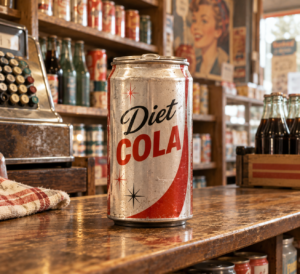
The image of an old-fashioned diet soda can or a simple question such as “Does anyone remember Tab?” can immediately start conversations about childhood, family shopping trips, restaurants, vending machines, and the changing world of soft drinks.
Tab was not simply another soda. It represented an important moment in the history of low-calorie beverages. Coca-Cola introduced Tab in 1963, making it the company’s first diet drink. The company later described Tab as an important part of its history before eventually deciding to discontinue the brand.
Although Tab is no longer produced as a regular Coca-Cola brand, its name continues to appear in nostalgic conversations. For many former fans, remembering Tab is less about the drink itself and more about the era in which it became popular.
So what exactly was Tab, why did it become famous, and why do so many people still remember it?
What Was Tab Soda?
Tab was a low-calorie carbonated soft drink created by The Coca-Cola Company.
It was introduced in 1963, at a time when the soft-drink industry was beginning to explore alternatives to traditional sugary sodas. Coca-Cola’s own historical material identifies Tab as the company’s first diet drink.
The launch was significant because it came before Diet Coke. In fact, Tab existed for almost two decades before Diet Coke was introduced in 1982.
The name itself was unusual. According to Coca-Cola’s historical account, the company used a computer-generated search to select the name from more than 300,000 possibilities.
That short, memorable name helped give the beverage a distinctive identity.
Why Was Tab Created?
During the 1960s, consumer interest in lower-calorie beverages was developing.
People were becoming increasingly interested in products that offered familiar soda experiences while containing fewer calories than traditional soft drinks.
Coca-Cola recognized this emerging market and introduced Tab as its first low-calorie beverage. The company’s later history describes Tab as an important early step in its development of low- and no-calorie beverages.
The timing was important.
Tab appeared nearly two decades before Diet Coke. This means that people who remember Diet Coke as one of the major diet-soda brands may not realize that Tab came first within Coca-Cola’s portfolio.
Tab Soda Before Diet Coke
One of the most interesting parts of Tab’s story is its relationship with Diet Coke.
When Coca-Cola developed Diet Coke in the early 1980s, Tab already had an established position in the diet-soft-drink market.
Coca-Cola’s historical account of Diet Coke explains that Tab was the leading diet soft-drink brand in the United States at the time. The company was concerned that a new product could take sales away from Tab, but research supported moving forward with Diet Coke.
Diet Coke eventually became a major global brand, while Tab continued to maintain a smaller but loyal following.
This created an interesting chapter in soft-drink history: Tab helped establish Coca-Cola’s presence in the diet category, while Diet Coke later became the much larger brand.
What Did Tab Soda Taste Like?
Taste is one of the reasons people still discuss Tab today.
Former drinkers often describe its flavor as distinctive and different from modern diet colas. However, taste is subjective, and memories of older products can be influenced by nostalgia.
A person who drank Tab regularly during childhood or adulthood may remember its flavor very differently from someone tasting an old formulation for the first time.
Over its long history, formulations and sweetener systems could also change. Coca-Cola’s historical and regulatory records show that its beverage portfolio has included different sweeteners and formulations over time, depending on product and market.
That means discussions about exactly what Tab “tasted like” should be treated as personal recollections rather than a single objective description.
Why Did People Become Attached to Tab?
The relationship between consumers and an old beverage brand can be surprisingly emotional.
A soda can be connected to specific memories:
- Family dinners
- Birthday parties
- Road trips
- School events
- Restaurants
- Grocery shopping
- Movie nights
- Summer afternoons
- Holiday gatherings
For someone who drank Tab regularly years ago, the brand can become part of a personal timeline.
This helps explain why a simple photograph asking whether people remember Tab can generate strong reactions.
The question is not necessarily about whether people still want the product. Instead, it can remind them of a particular period in their lives.
Baking Soda and Lemon Water Drink Recipe
The Role of Nostalgia in Food and Beverage
Nostalgia is particularly powerful when it involves food and drinks.
Taste and smell are strongly connected to memory. A familiar product can remind someone of people, places, and routines that have disappeared.
Old soda brands are especially effective nostalgia triggers because their packaging, advertisements, logos, and flavors were often highly distinctive.
Tab is an excellent example.
Even people who have not consumed it for many years may immediately recognize the name.
A photograph of an old Tab can therefore function almost like a time capsule.
Tab and the Evolution of Diet Soda
The history of Tab also reflects how the diet-soda category changed.
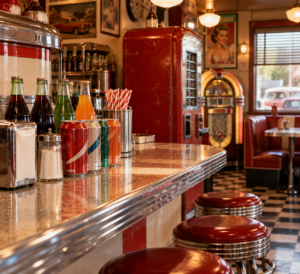
When Tab launched in 1963, low-calorie soft drinks were still a developing category. Over the following decades, more products appeared, and consumers gained an increasingly broad selection of reduced-calorie and no-calorie beverages.
Coca-Cola’s own history describes Tab as its first diet drink and later highlights the company’s development of Diet Coke and other low-calorie products.
The category eventually became much more competitive.
Consumers could choose from:
- Diet colas
- Caffeine-free versions
- Flavored diet sodas
- Zero-sugar beverages
- Sparkling waters
- Other low-calorie drinks
Tab therefore belongs to an important early chapter in a much larger story.